Syncron AU-7A
Manufacturer:
SyncronModel:
AU-7ACountry of Manufacture:
United StatesMicrophone Type:
CondenserPolar Pattern:
CardioidProduction Start Year:
1965Rarity:
4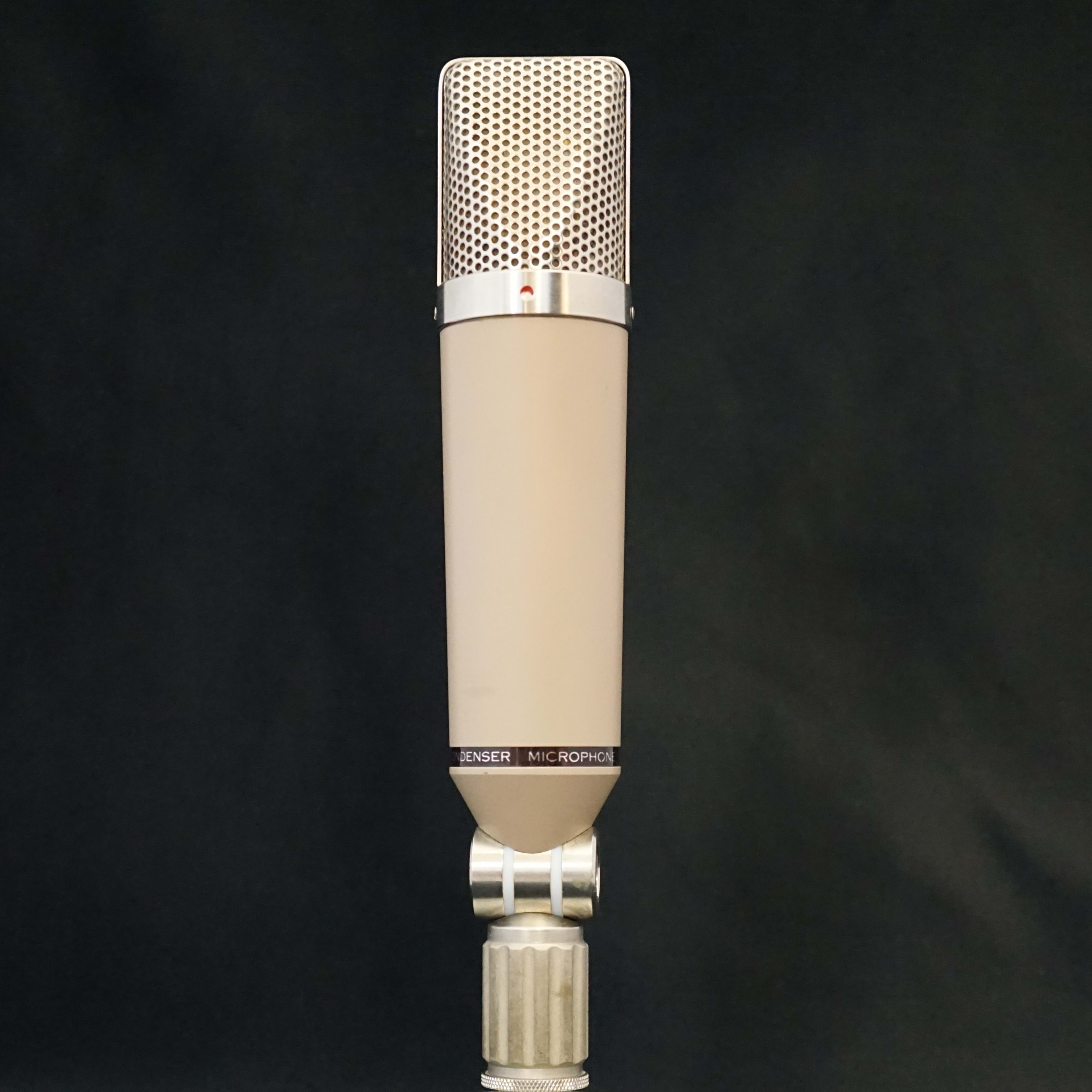
Audio Recordings:
Speech (male) recorded with the Syncron AU-7a. The microphone for this recording has been adapted to run on phantom power
Multiple quality options available
Nylon string guitar recorded with an XY pair of Syncron microphones.
Multiple quality options available
Microphone History:
From a contemporary advertisement
"THE NEW SYNCRON AU-7a CONDENSER MICROPHONE FOR PREMIUM SOUND PICKUP AT A FRACTION OF USUAL COST!
At last! An American made quality condensel microphone in a self-contained 9¾" unit that is reshaping the recording industry. Now P. A. engineers, broadcasters, studios and audiophiles can utilize the full potentials of "condenser" sound without the bulk and expense of conventional condenser mikes. Connect the cable and it's ready to go. Over 2500 hours transistor battery life with low cost mercury cells. Frequency range: =3 db 40-20,000. Directional characteristics: cardioid, with front to back ratio of better than 20 db. Output level: -50 db. Distortion: less than 0.5%. Rugged diaphragm provides broad, smooth frequency response with total absence of annoying peaks. Maximum sensitivity, PRICE $169.50"
MoMics view:
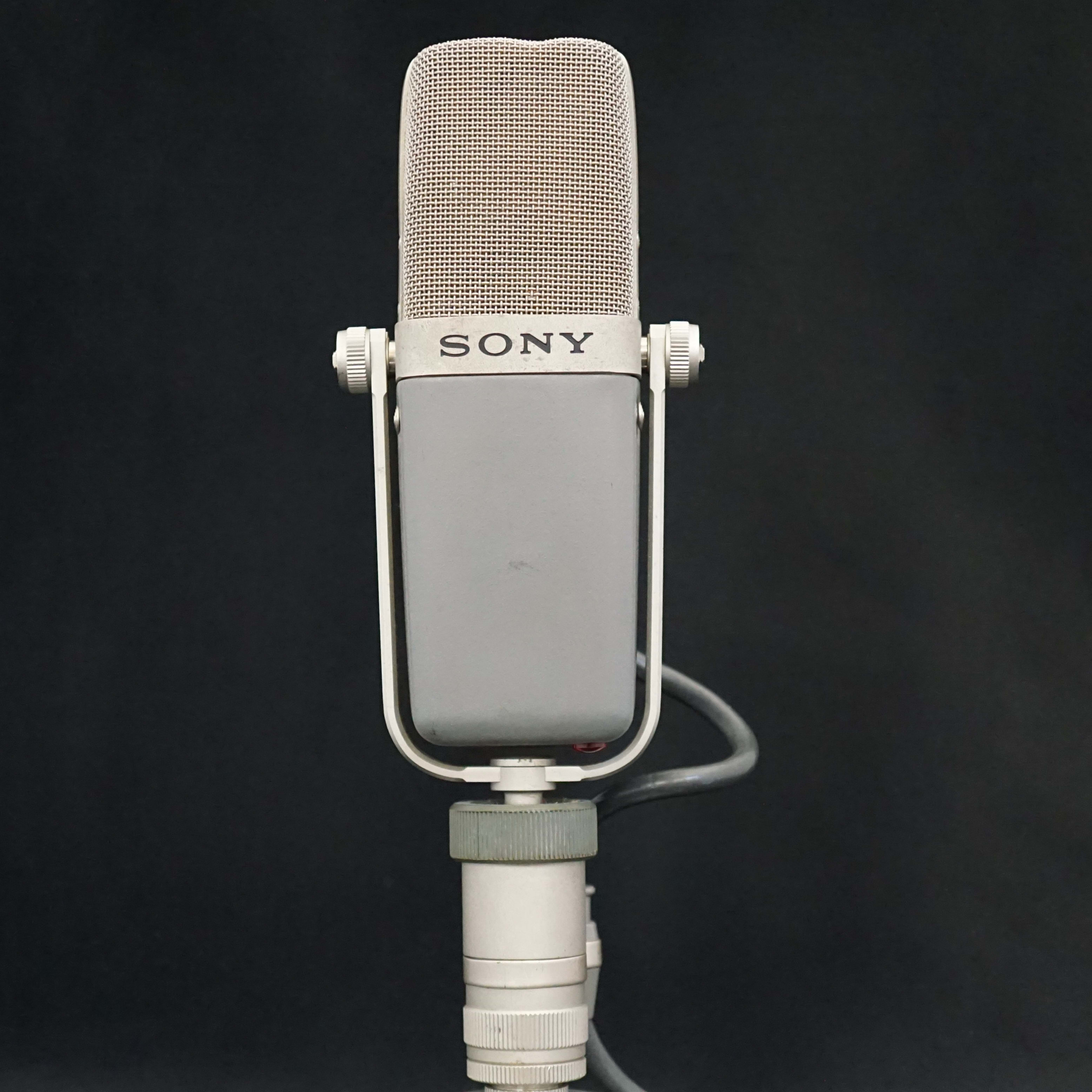
The Syncron Corporation are generally credited with launching the first transistorised capacitor microphone back in 1965 - the AU-7a, which was priced at $169.50 USD. In their own marketing, the manufacturer claimed to have built "the first microphone to successfully employ the Field Effect Transistor." At the time, competitors such as Neumann were selling microphones with tube circuits such as the KM64 and U67 which required separate power supplies. The Syncron mics ran on batteries which saved lugging around an extra box and cable. I know we all love and revere the old Neumann tube microphones, but few would argue that they take longer to set up and warm up than a solid state mic.
The AU-7a was also branded as Fairchild F22, which appears to be identical from the outside. However, our own investigations have found that the Fairchild branded mics sometimes have a dual sided capsule whereas the Syncron mics have a diaphragm on one side only. We are confident that these are original capsules because of the distinctive blue plastic used.
Syncron AU7a mics 0624 and 0615 are single sided.
Fairchild F/22 serial numbers 50512 and 50366 have dual sided capsules. However, the rear capsule is not connected so why is it there? Perhaps the manufacturer had plans to offer a multi-pattern version but we have never seen such a microphone. Alternatively the rear side could be used as a back up if the
(Four mics is not a statistically useful set but we hope to add to this later. Thanks to Garrin Walker for additional information.)
Technical Description:
Manufacturer's data:
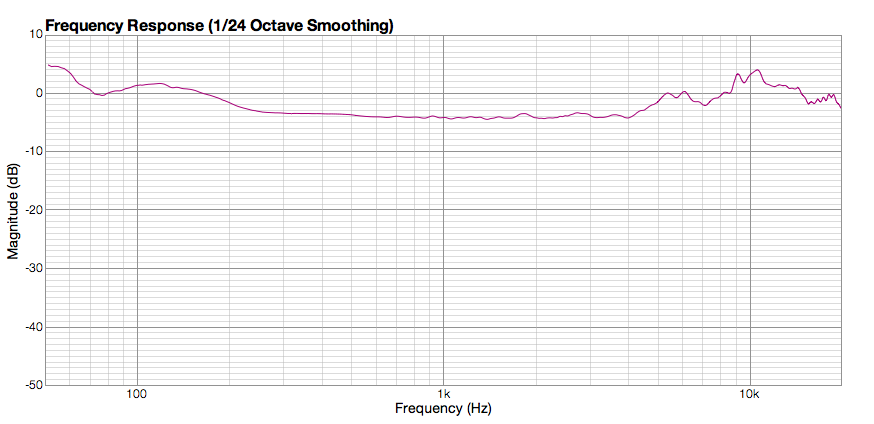
FREQUENCY RANGE: 30-18000 Hz at ±2.5 dB
DIRECTIONAL CHARACTERISTICS: Cardioid, 20 db Front to back ratio
OUTPUT LEVEL: - 45 dBm (referred to 10 dyne/cm')
DISTORTION: Less than 0.5% at 100 dyne/cm
EQUIVALENT NOISE: Less than 20 db SPL
BATTERY LIFE: 2500 hours
LENGTH: 9 3⁄4" DIAMETER: 1 7⁄8"
WEIGHT: 1lb. 7 oz.
Frequency Response:
Impulse Response File:
Syncron IR file
Syncron.wav
Further Reading:
A little history about the Syncron microphones at Preservation Sound
Preservation sound on the Fairchild F-22 including an ad from around 1965.
A page at the Coutant website About the Syncron and Fairchild microphones
The Xaudia blog has several articles about the Syncron microphones.
And Xaudia also offered a conversion to run these mics on phantom power.
Syncron made a small diaphragm condenser microphone, which was also sold under the Vega brand.