Electro-Voice RE20
Manufacturer:
Electro-VoiceModel:
RE20Country of Manufacture:
United StatesMicrophone Type:
DynamicPolar Pattern:
CardioidProduction Start Year:
1968Rarity:
1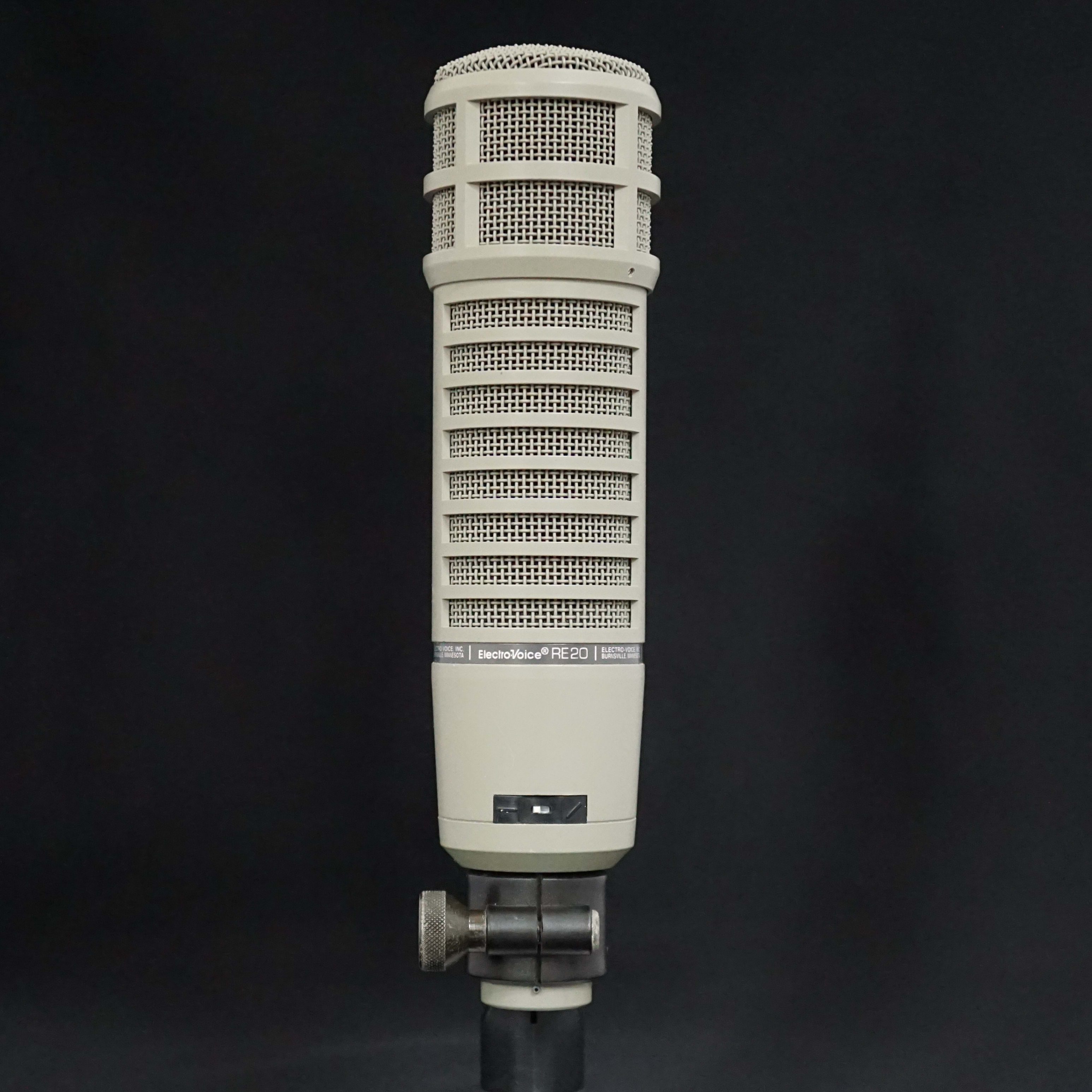
Microphone History:
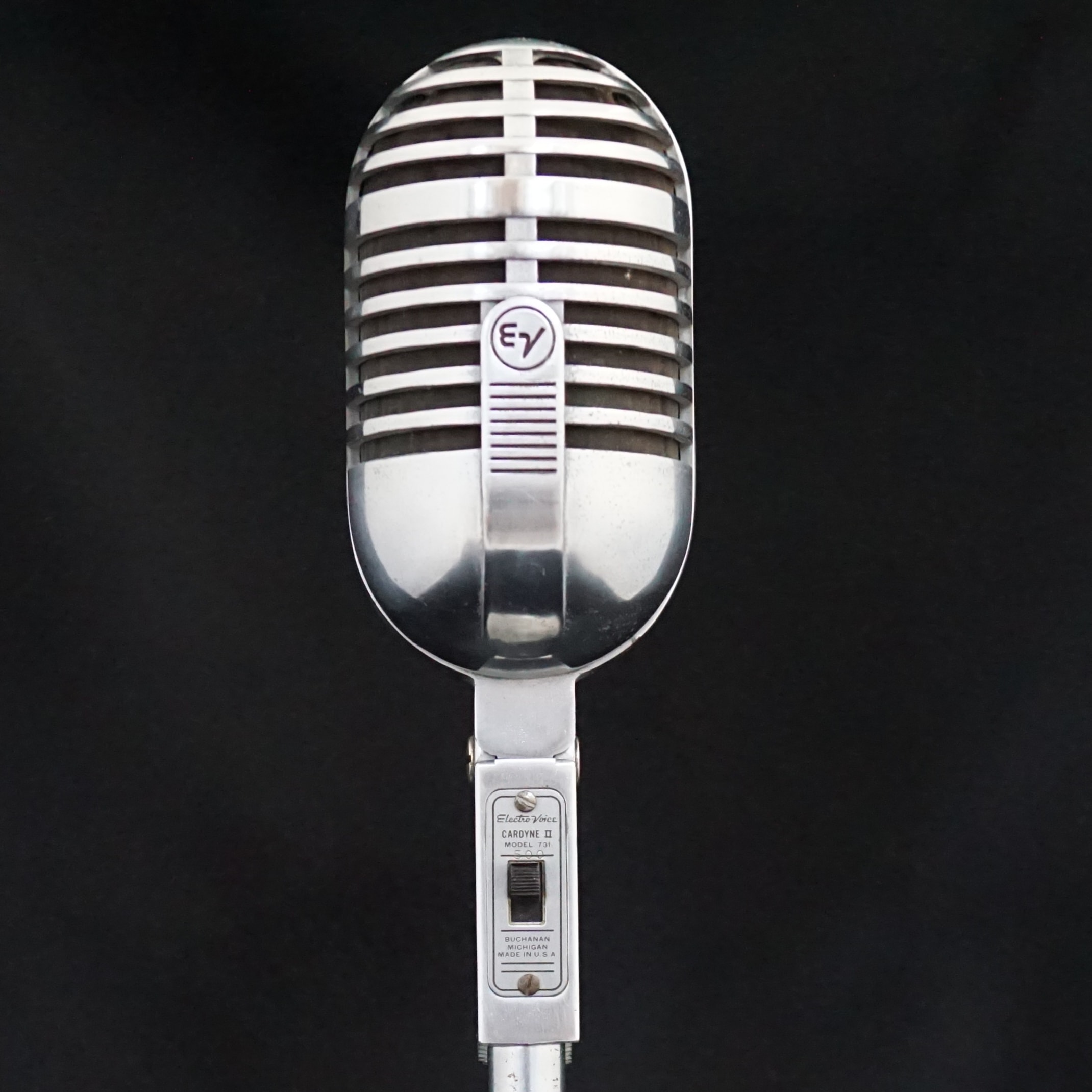
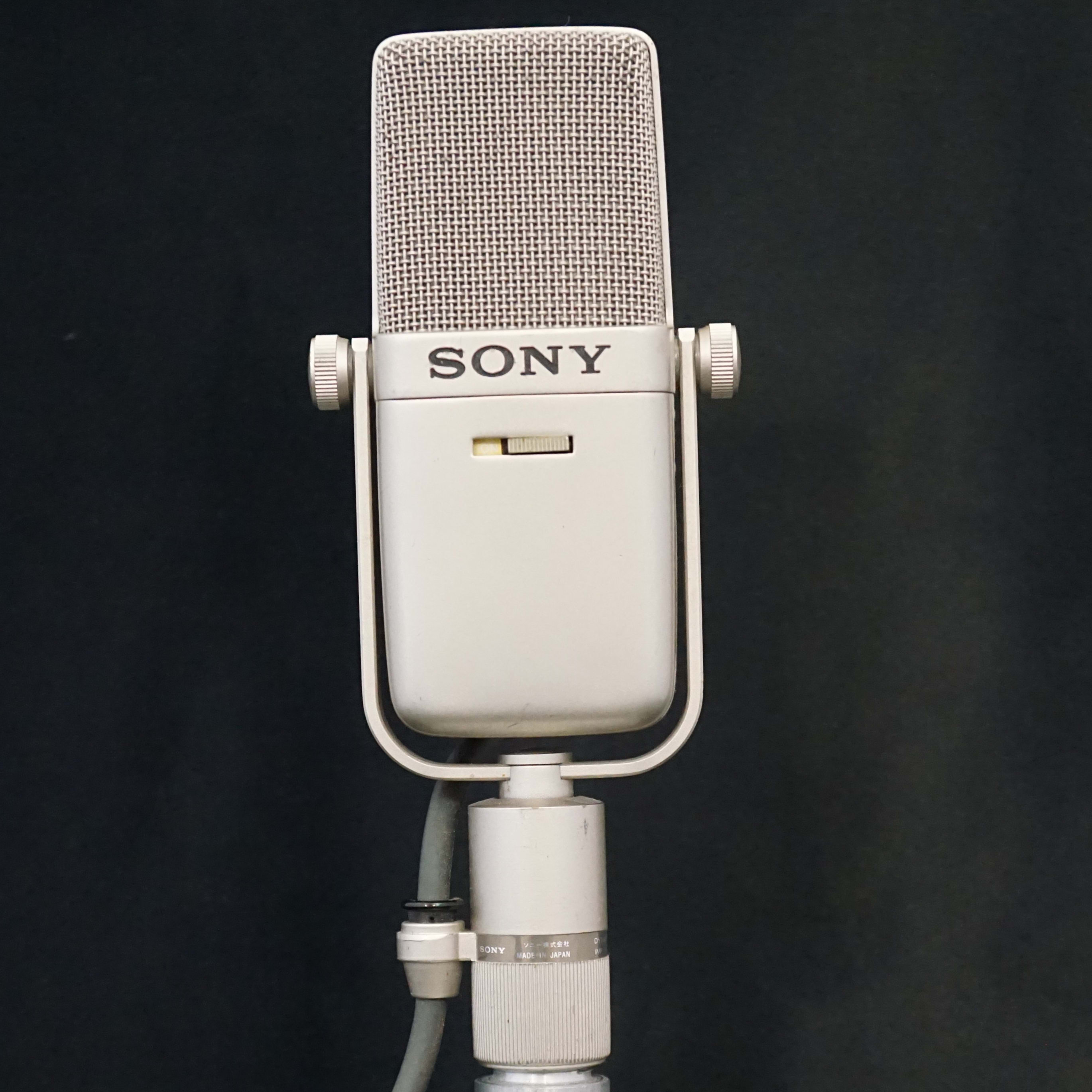
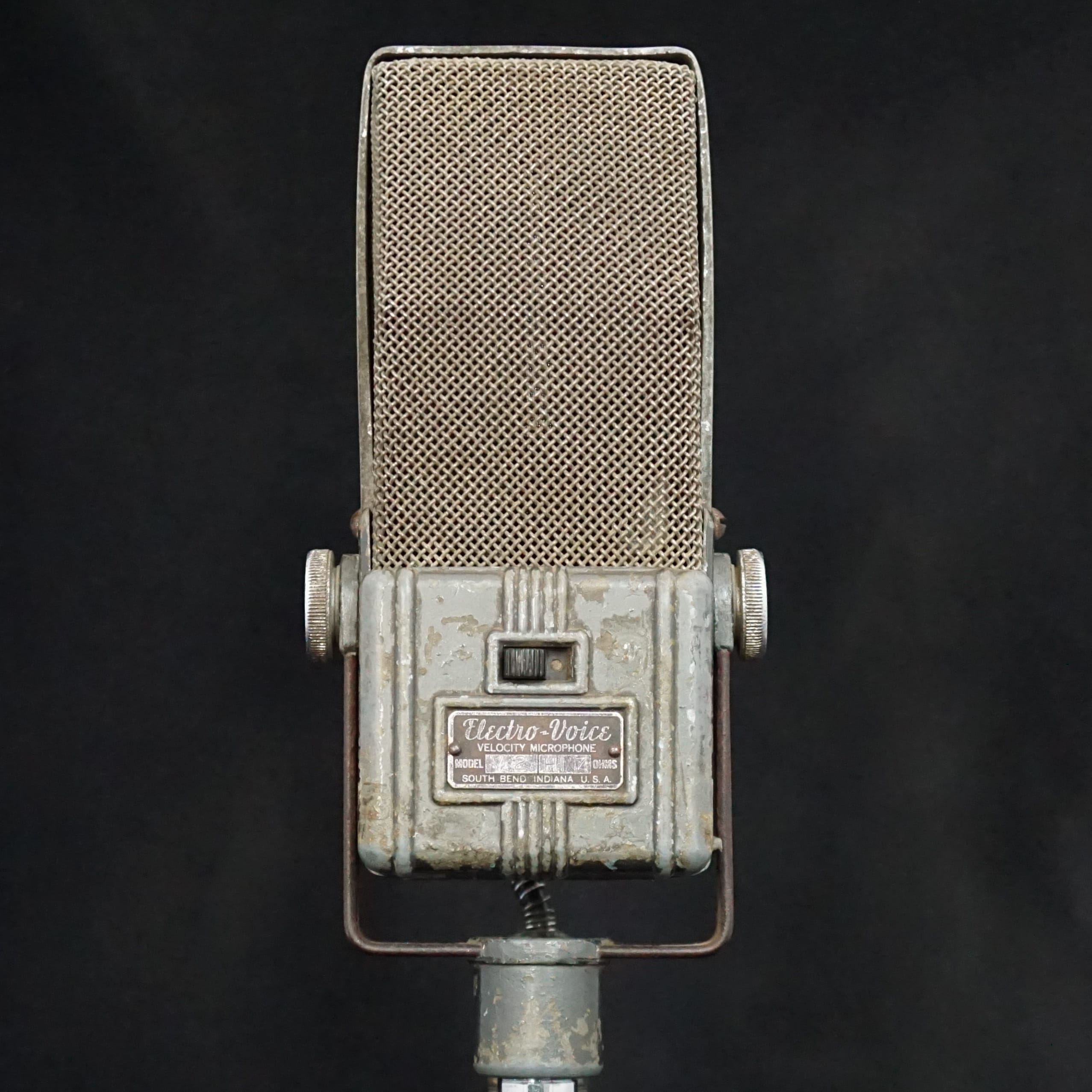
The RE20 launched in 1968, followed earlier EV Variable‑D microphones such as the 664 and RE15. The RE20 offered broadcasters and recording engineers controlled proximity response and robust build. Initially designed for broadcasting, the RE20 became widely used on vocals, drums, brass, and guitar amplifiers due to its ability to handle high SPL and vocal plosives without distortion. Later variants include:
- RE27N/D
(1980s): Neodymium magnet, added tone-shaping filters - PL20
(1990s): Studio version, similar to RE20 - RE320
(2011): Designed for kick drums with tailored frequency curve - RE20-Black
(2020): Dark finish but same internal design
The RE20 was inducted into the TEC Hall of Fame in 2015 and remains a standard in broadcast, podcasting, and studio applications.
MoMics Note:
For decades, the RE20s always carried the label "made in the USA". However, recent models no longer carry that assurance and are presumably made overseas, which is a symptom of our modern global economy. These newer models also have an internal printed circuit board and a smaller transformer and switch. I am always a little sad when an established company offshores its production to save costs, but I am at least reassured that the new mics measure and sound the same as the old ones. Time will tell if they are as robust!
Technical Description:
The Electro‑Voice RE20 is a large-diaphragm, dynamic cardioid microphone introduced in 1968, utilising Electro‑Voice’s Variable‑D® design. This feature minimizes proximity effect through a series of sound-entry ports along the body. It uses a large moving‑coil element and a built‑in humbucking coil to reduce electromagnetic interference. Housed in a cylindrical steel body, the microphone incorporates an internal pop filter and shock‑mounted element. A bass roll‑off switch reduces low frequencies below 400 Hz.