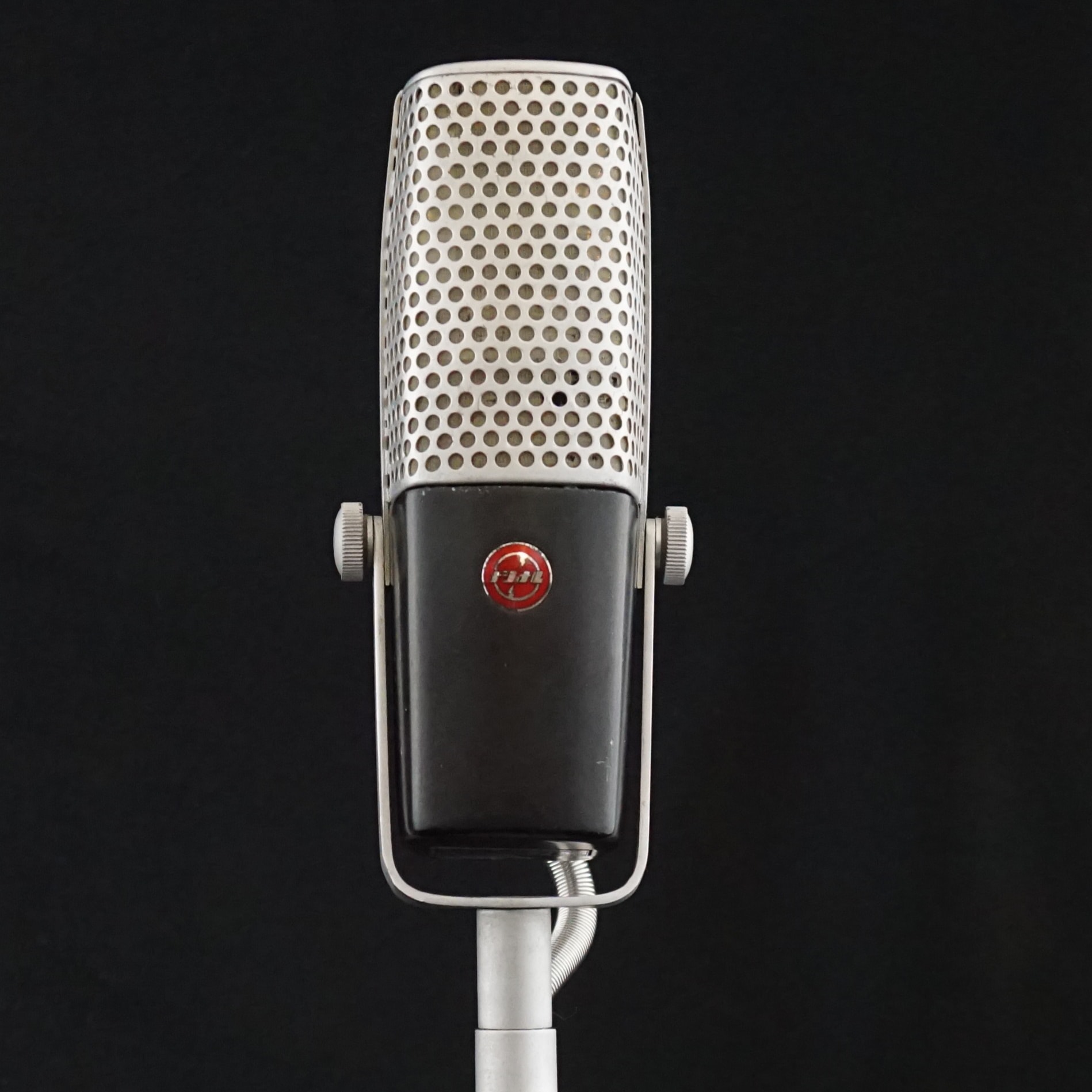
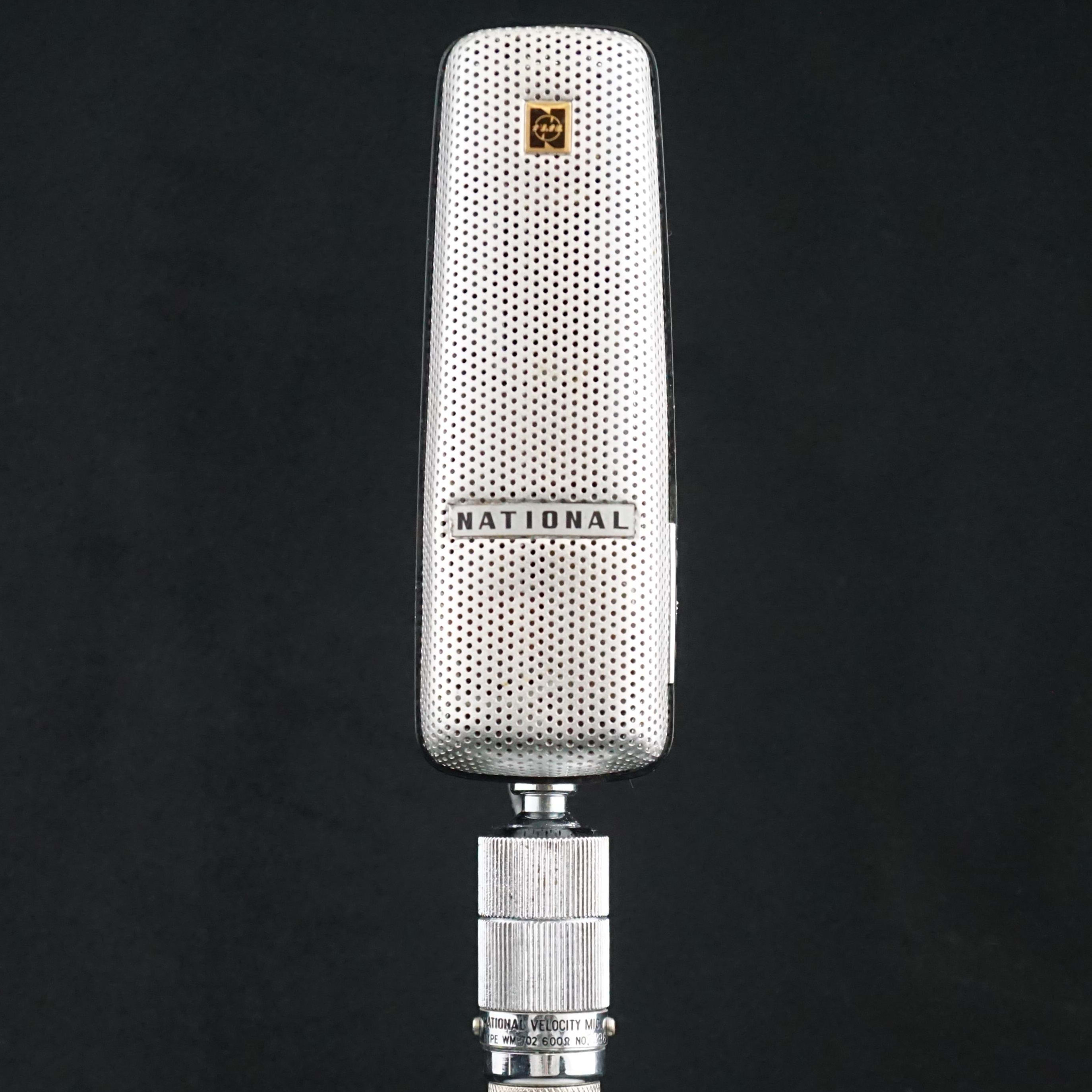
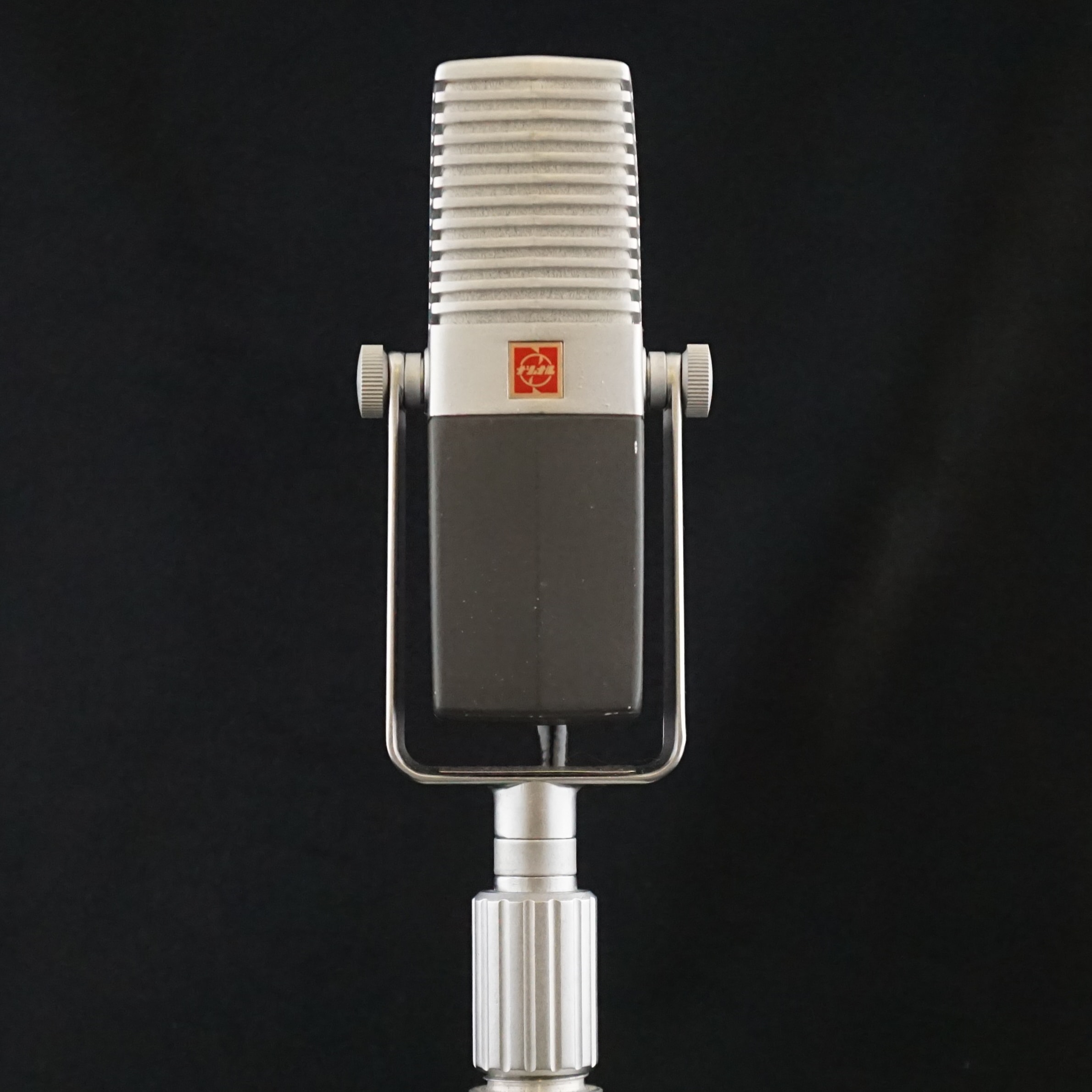
National WM-706
Manufacturer:
NationalModel:
WM-706Country of Manufacture:
JapanMicrophone Type:
RibbonPolar Pattern:
CardioidProduction Start Year:
1960Rarity:
4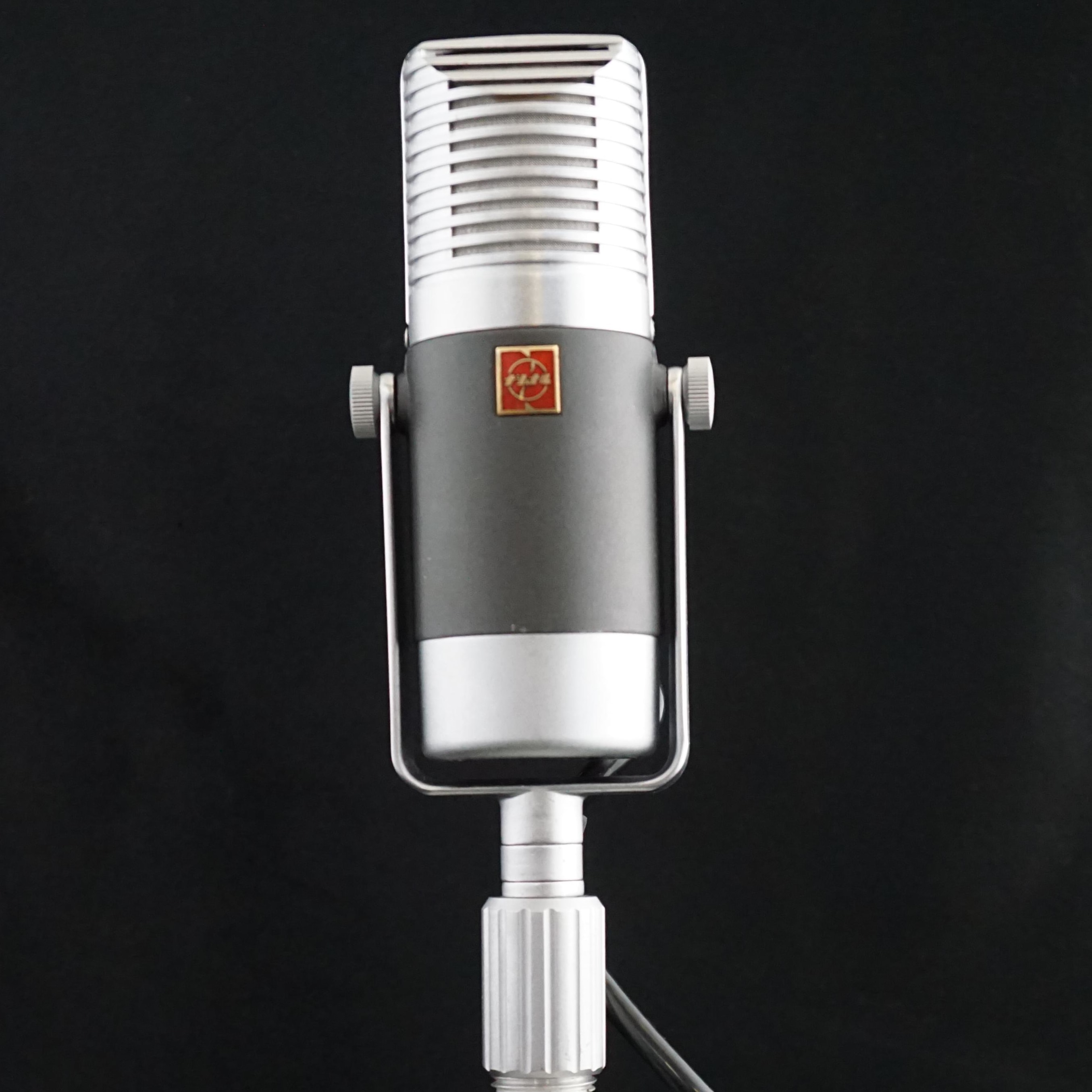
Audio Recording:
Nylon string guitar recorded with a National WM-706 ribbon microphone.
Multiple quality options available
Microphone History:
Matsushita aka National aka Panasonic
Japan is perhaps less well known for ribbon microphones as the USA, UK and Germany, but many excellent Japanese ribbon microphones were made in the post-WW2 era from the late 1940s through to the 1970s.
The company that is now known as Panasonic was founded by Konosuke Matsushita, who was born on November 27, 1894 in Wasamura, Japan. He founded that Matshishita Electrical Company in 1917, making electrical sockets and bicycle lights. From 1923 onwards Matsushita traded under the brand 'National', and began manufacturing radio equipment in 1931. The Panasonic brand name appeared on some Matsushita products intended for export from 1955. Today most of their products are sold under the Panasonic brand. Several ribbon microphones appeared under the Matsushita and National brands, including the VM1 and WM series. Many of these mics are quirky with unusual aesthetic and technical features.
For our museum, we have grouped all of these together under the 'National' brand, even if they have a Matsushita badge.
Technical Description:
Translation of Original Manual (Accessible in further reading):
National WM-706:
Premium Unidirectional Ribbon Microphone
(Panasonic / National, Japan)
Introduction
Thank you for purchasing a National microphone. Please read this instruction manual carefully to ensure correct handling and long service life of your microphone.
Names of Parts
- Sound hole
- Head grille (Case A)
- Central housing (Case B)
- Base housing (Case C)
- Microphone socket
- Swivel yoke (Angle)
- Mounting screws
1. Output Connection
The output of this microphone is balanced, 600 Ω.
When connecting to an amplifier, follow the wiring instructions in Figure 2.
If using the microphone in an unbalanced configuration, follow the instructions in Figure 3.
Note: The terminal numbers shown in the figure correspond to the pin numbers on a 3-pin connector (JIS C6502 standard) attached to the end of the microphone cable.
2. Microphone Plug
This microphone is supplied without a connector. Please fit an appropriate connector to match your amplifier input.
Balanced connection (example):
- Single-head duplex jack ←→ No. 110 plug
- JIS C6502 3P connector (e.g. 21R 3A ↔ 21P 3B, or 16R 3A ↔ 16P 3B)
- BTS 4104
Unbalanced connection:
- Single-head plug jack ←→ single-head plug
(Detailed connector component diagrams are shown in the original manual.)
3. Mounting to a Microphone Stand
Two types of stand threads are provided, allowing the microphone to be mounted on either a tabletop or floor stand.
Use the appropriate screw for your stand:
- (A) PS 1/2 × 14 parallel pipe thread (JIS B0203) — Ø 20.8 mm
- (B) W 3/8 × 16 screw thread (JIS B0206) — Ø 9.5 mm
Figure 6 — Stand Mounting
Captions (left to right, top to bottom):
Stand adapter / Left / Right / Stand screw / Stand inner tube / Fixing screw / Stand outer tube
- For parallel pipe thread stands: attach by turning the stand adapter counter-clockwise.
- For screw thread stands: loosen the stand fixing screw and rotate the stand centre tube clockwise.
Usage Notes
- Do not use this microphone outdoors in strong wind, rain, or locations exposed to water. Do not blow strongly into the microphone.
- Maintain a distance of at least 30 cm from the sound source. Avoid placing the mouth closer than 5 cm. The ribbon assembly is delicate.
- The ribbon assembly is delicate. Do not drop the microphone or subject it to impact.
- This microphone is unidirectional, but if a loudspeaker faces the microphone it may cause feedback. Position the microphone well away from the speakers.
- The balanced 600 Ω output allows for relatively long cable runs. However, excessive cable lengths can introduce noise and degrade high-frequency response. Keep cable lengths within 100 m where possible.
- Do not disassemble the microphone. Re-adjusting the acoustic characteristics is difficult once disturbed.
Specifications:
| Item | Specification |
|---|---|
| Type | Ribbon velocity microphone |
| Directivity | Cardioid (unidirectional) |
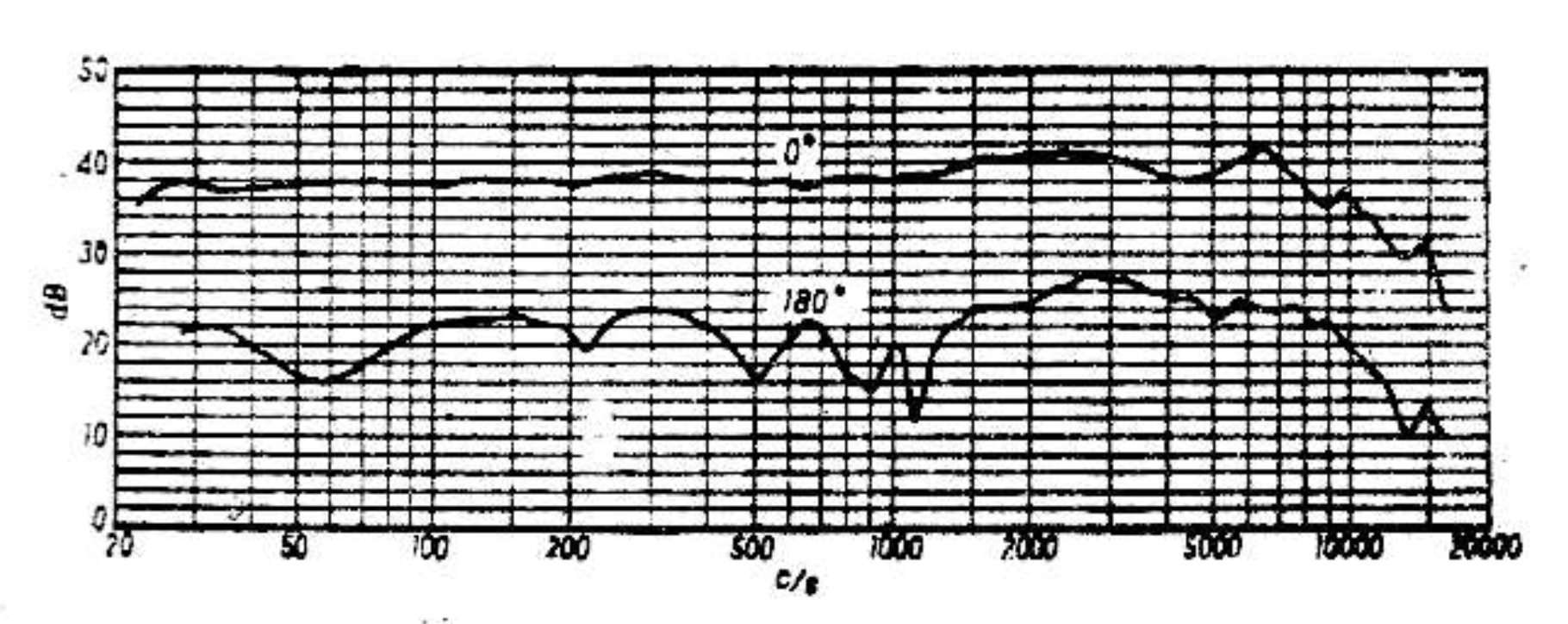
| Sensitivity difference | ≥ 15 dB between front and 180° at 200 Hz–2 kHz |
| Output impedance | 600 Ω ± 20 % at 1 kHz (balanced) |
| Frequency response | Equivalent to JIS J1S1 type (front response) |
| Induction noise (hum) level | ≤ 5 dB |
| Dimensions | Body: 48 mm × 140 mm Overall: 68 mm × 200 mm |
| Cable | 5 m black, 2-core shielded vinyl cable |
| Weight | ≤ 1 kg (excluding cable) |
| Stand threads | W 3/8 × 16 screw, PS 1/2 × 14 parallel pipe thread |
| Connector | 3-pin (JIS C6502 standard), not supplied |
Finish and Materials
| Part | Material & Finish |
|---|---|
| Head grille (Case A) | Zinc die-cast, nickel chrome satin |
| Central housing (Case B) | Aluminium die-cast, dark grey melamine resin, matte baked finish |
| Base housing (Case C) | Zinc die-cast, nickel chrome satin |
| Swivel yoke (Angle) | Zinc die-cast, nickel chrome satin |
Panasonic Communication Industrial Co., Ltd., Acoustic Business Division, 880 Tsunashimacho, Kohoku-ku, Yokohama, Japan, TEL: (45) 1231 (main)
Frequency Response:
Impulse Response File:
Impulse Response file of National WM-706 microphone.
National_WM706_IR.wav