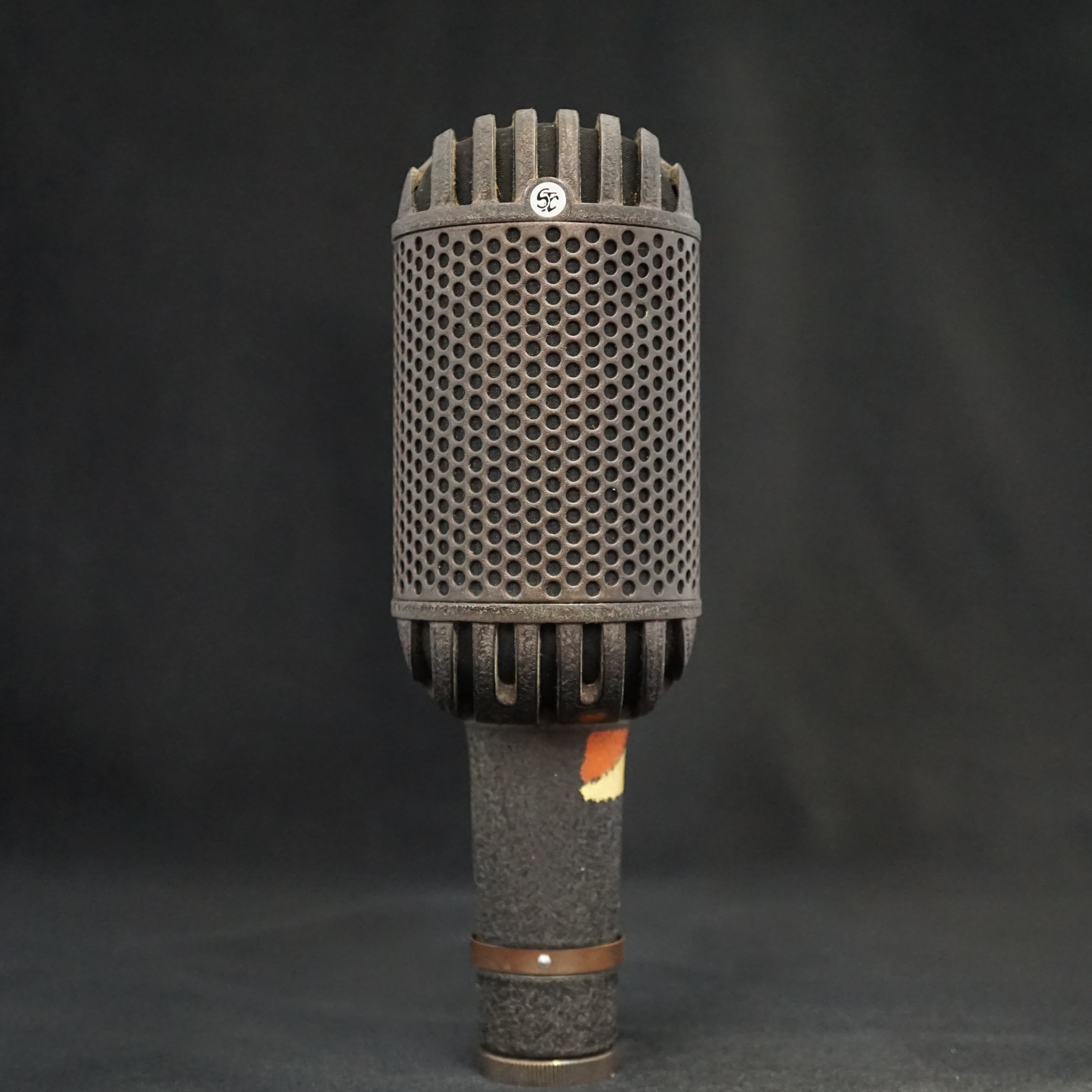
National WM-701 (aka CE-501)
Manufacturer:
NationalModel:
WM-701 (aka CE-501)Country of Manufacture:
JapanMicrophone Type:
OtherPolar Pattern:
CardioidProduction Start Year:
1960Rarity:
4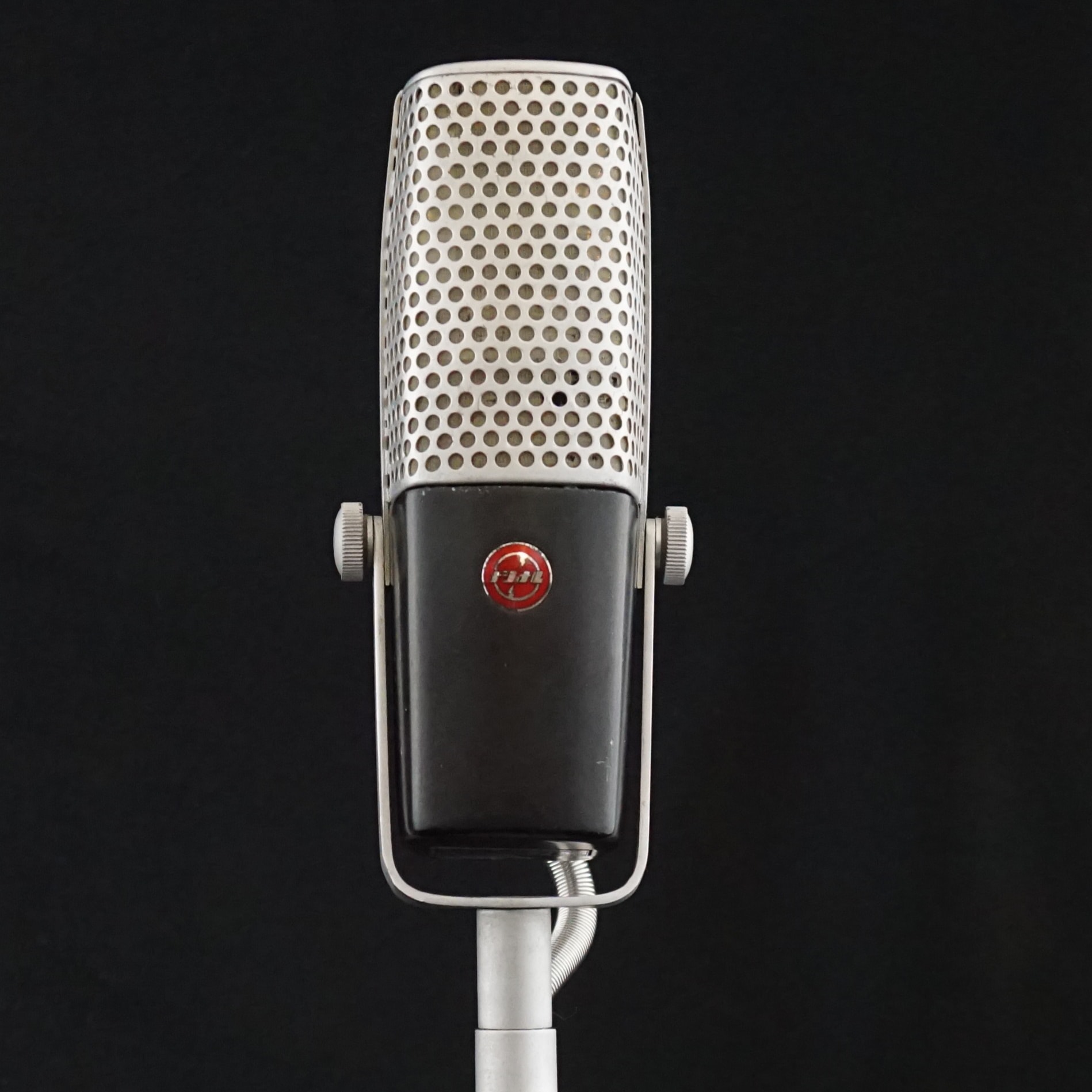
Audio Recordings:
Speech (male) recorded with a National WM-701 ribbon microphone.
Multiple quality options available
Nylon string guitar recorded with a National WM-701 ribbon microphone.
Multiple quality options available
Microphone History:
Matsushita aka National aka Panasonic
Japan is perhaps less well known for ribbon microphones as the USA, UK and Germany, but many excellent Japanese ribbon microphones were made in the post-WW2 era from the late 1940s through to the 1970s.
The company that is now known as Panasonic was founded by Konosuke Matsushita, who was born on November 27, 1894 in Wasamura, Japan. He founded that Matsushita Electrical Company in 1917, making electrical sockets and bicycle lights. From 1923 onwards Matsushita traded under the brand 'National', and began manufacturing radio equipment in 1931. The Panasonic brand name appeared on some Matsushita products intended for export from 1955. Today most of their products are sold under the Panasonic brand. Several ribbon microphones appeared under the Matsushita and National brands, including the VM1 and WM series. Many of these mics are quirky with unusual aesthetic and technical features.
For our museum, we have grouped all of these together under the 'National' brand, even if they have a Matsushita badge.
Technical Description:
Output Impedance: 600 ohms
The National VM-701 is a dual transducer microphone and has both ribbon and dynamic elements wired in series to give a cardioid output pattern. The microphone is the side address type and the bi-directional ribbon points directly to the front and rear. A small omni-directional dynamic element points upwards to give a circular pickup. The front of the ribbon adds to the output of the dynamic, whereas the other side of the ribbon is reverse polarity and subtracts, reducing sensitivity at the rear.
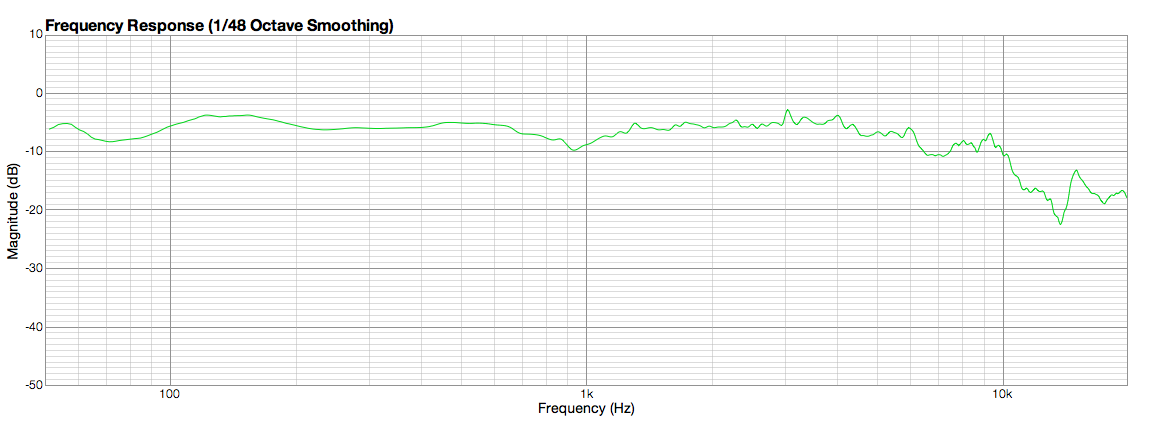
Frequency Response:
Impulse Response File:
IR file for a National WM-701 ribbon microphone.
National_WM701_IR.wav
Further Reading:
A nice description from Cole Picks Vintage.
"This Japanese ribbon microphone uses both a ribbon element and dynamic element, similar to the American DR330/1/2 with a dynamic element pointed upwards underneath the ribbon motor. The combination of a ribbon / dynamic element adds the warmth of the ribbon with the bright characteristics of a dynamic element (I’m honestly not sure why more companies didn’t do this!). Overall, this microphone has a balanced sound with a generous amount of high end that translates well on drums, guitar amps, vocals, and more."