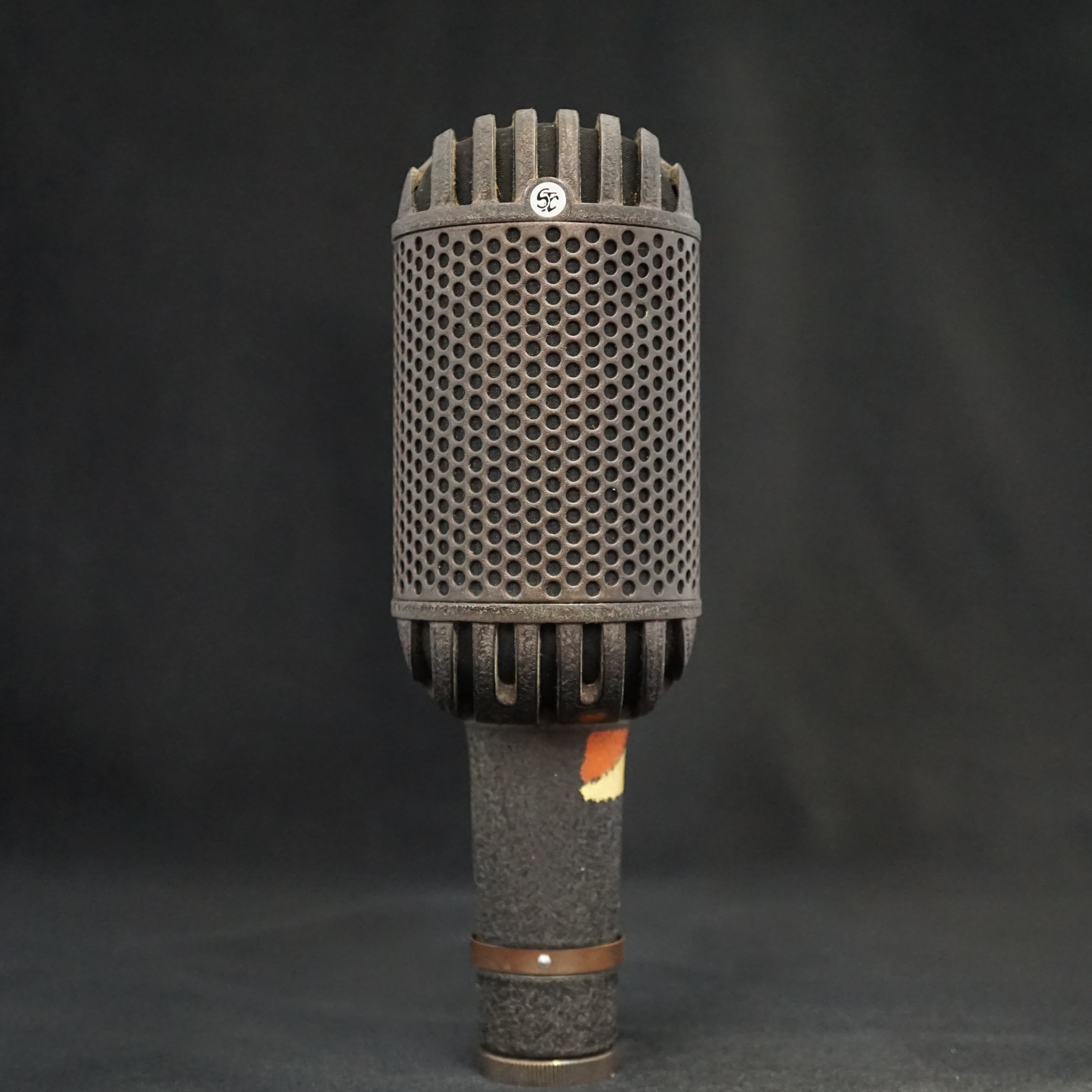
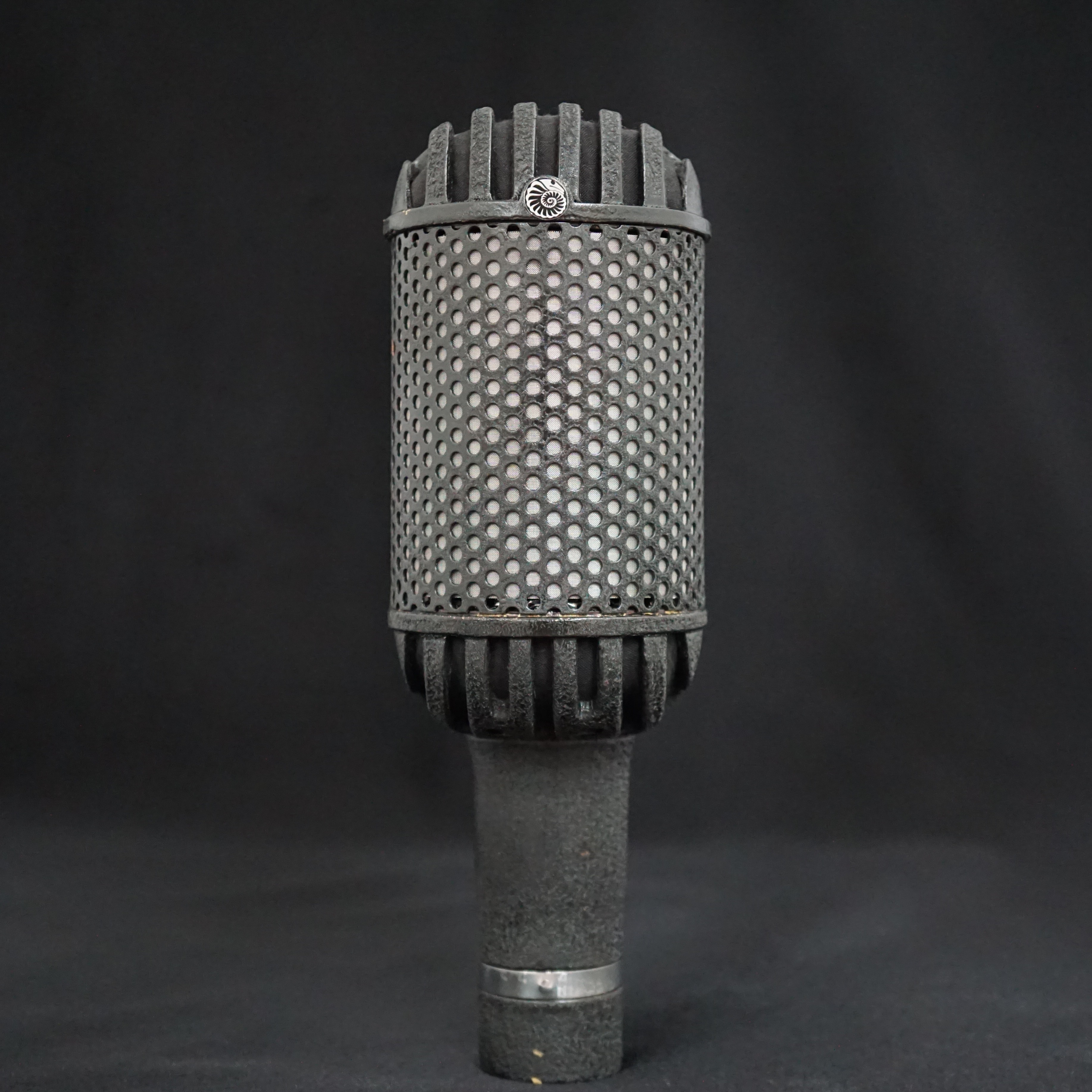
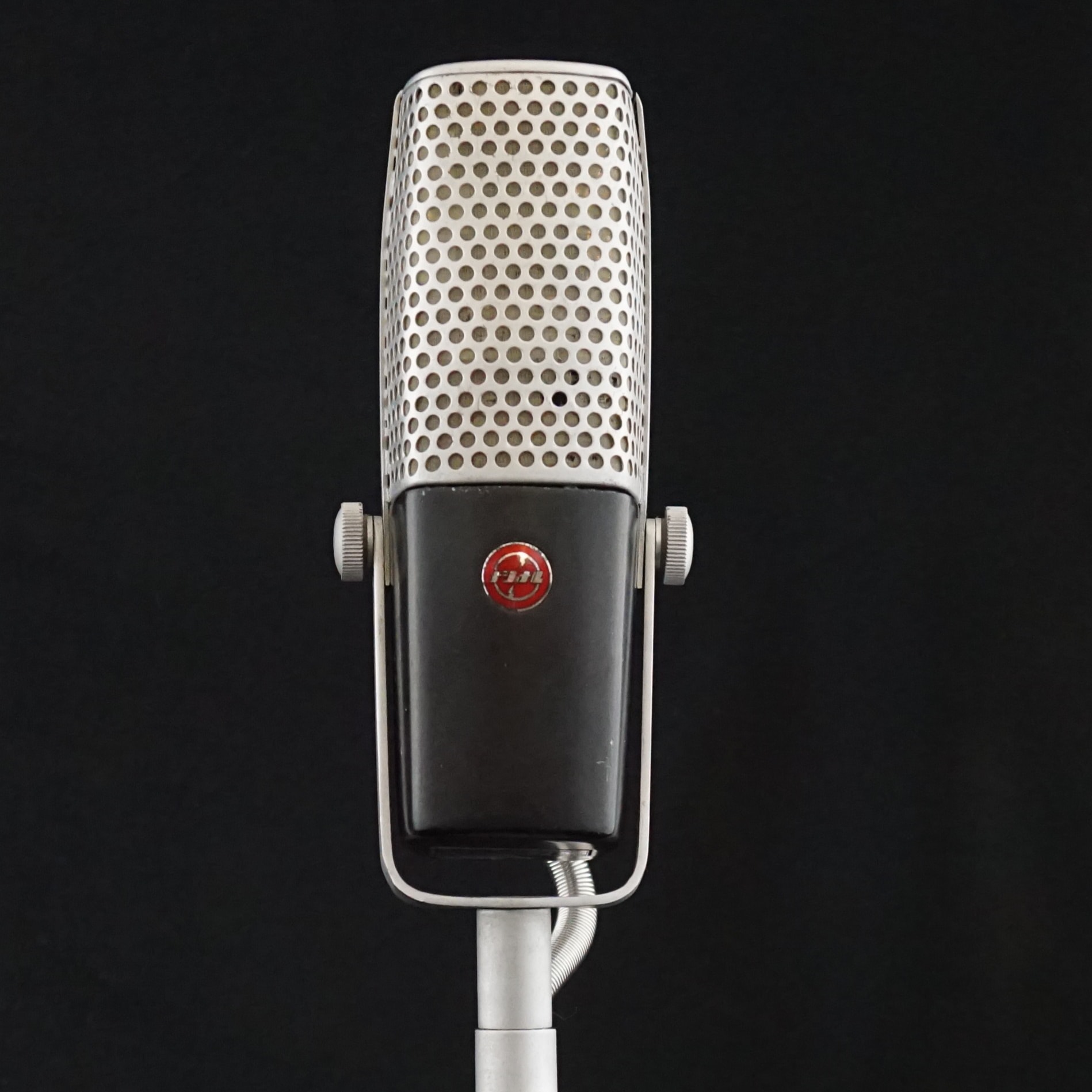
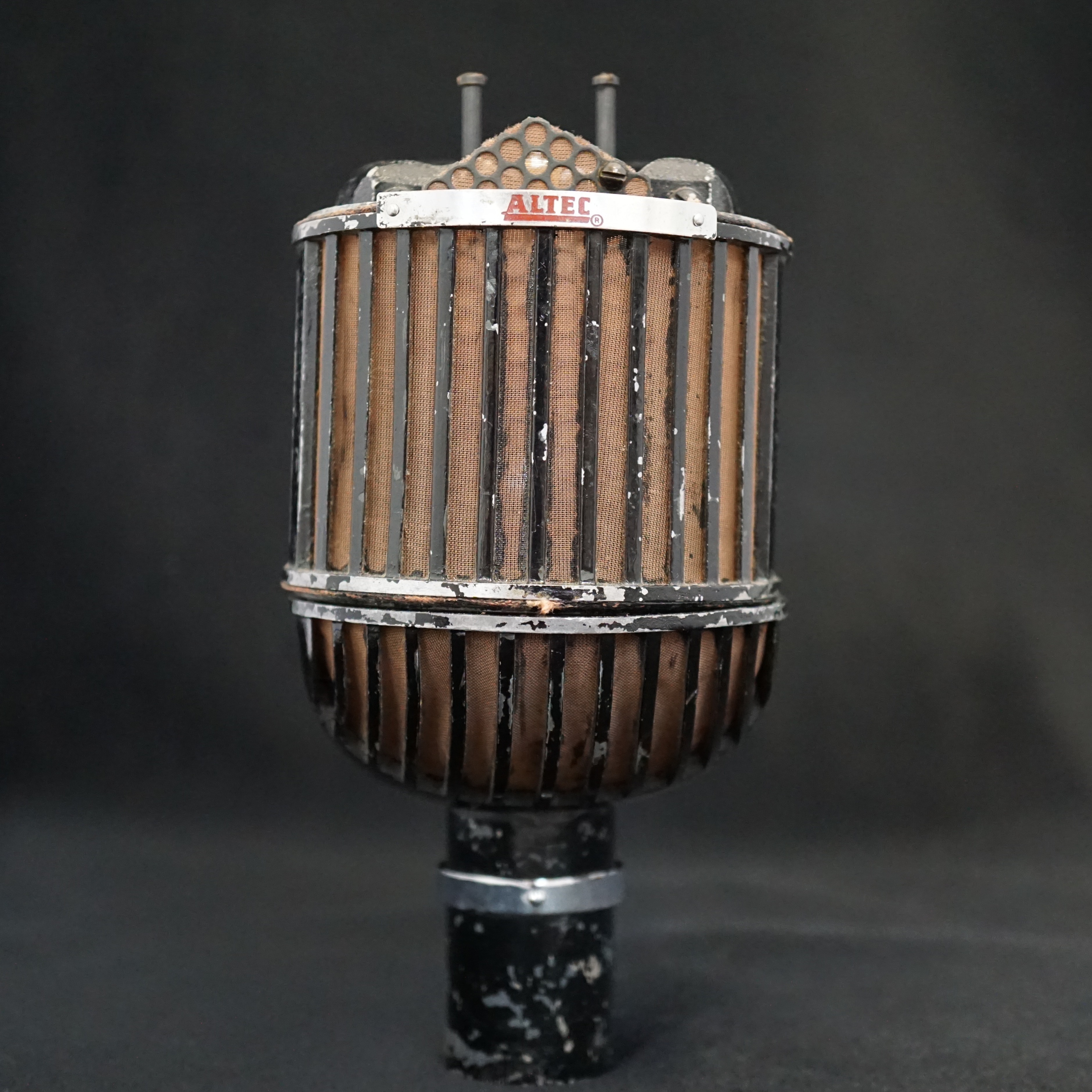
Western Electric RA-1142
Manufacturer:
Western ElectricModel:
RA-1142Country of Manufacture:
United StatesMicrophone Type:
OtherPolar Pattern:
Multi-PatternProduction Start Year:
1938Rarity:
4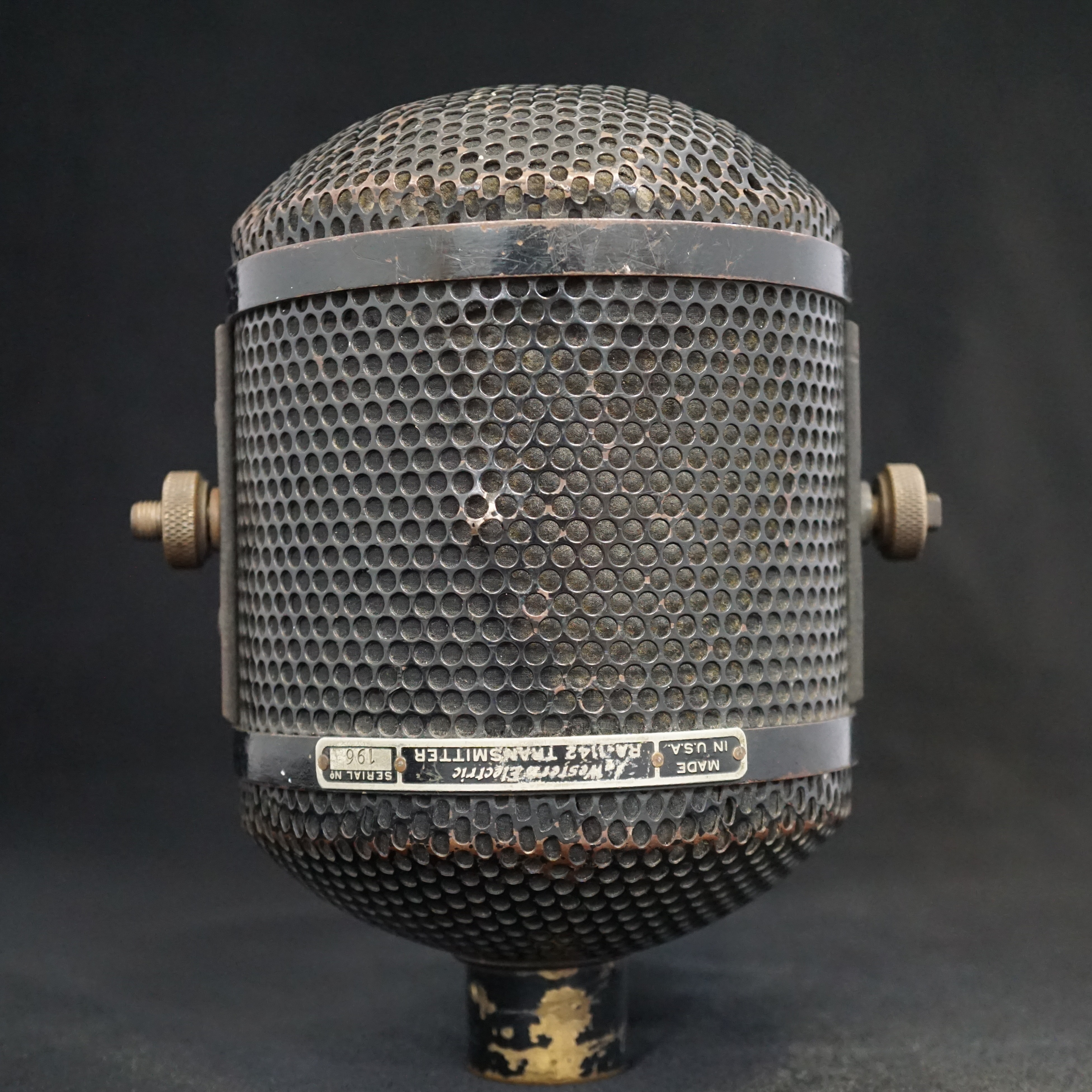
Microphone History:
The Western Electric RA‑1142, sometimes referred to as the Western Electric transmitter ribbon, was developed in the late 1930s by Electrical Research Products, Inc. (ERPI), a Western Electric subsidiary. It was one of the earliest commercially produced ribbon microphones to feature switchable polar patterns. The microphone was intended for film, broadcast, and motion picture sound recording, particularly in studio environments where selective pickup and rejection were essential.
It never entered wide commercial distribution and was primarily deployed in Western Electric-controlled sound systems, and Its production was eventually phased out following Western Electric's transfer of microphone manufacturing responsibilities to Altec in the 1940s.
MoMics view of the RA-1142:
The RA-1142 was one of several dual-transducer microphones that were manufactured in the 1930s and 40s. Other notable examples are the STC 4033 and National VM-702. The ribbon element and dynamic capsules combine to give a cardioid pickup, which was desirable for recording voices, especially in the movie industry.
The RA-1142 was essentially the same microphone as the Western 639B, but re-packaged into a more forgiving housing for use on film and TV sets. The 639 microphones had cast alloy bodies which would crack easily and were very unforgiving the dropped, but the RA housing was perforated brass which would simply dent and deform, but keep on working. They were also mounted on yokes for easier positioning, and the white stripe or cross on the rear helped the boom operator follow actors around on stage. Altogether this made a much nore useful and robust microphone for professional TV and film use.
Technical Description:
The RA‑1142 is a multi-pattern microphone combining Western Electrics 630A omni-directional dynamic capsule and a ribbon velocity element. A recessed mechanical switch at the rear, adjustable with a flat-head screw driver, allows the user to blend the signal from the two transducer elements between six marked positions:
- R (Ribbon): figure‑8 pattern
- D (Dynamic): omnidirectional from the moving coil capsule
- C (Combined): cardioid from combining bi-directional ribbon and omni-directional dynamic outputs
- 1 / 2 / 3: graduated cardioid settings with increasing rear rejection
The microphone uses a 50-ohm balanced transformer-coupled output, standard for Western Electric broadcast gear of the time. Its internal switching network blends the velocity and pressure components to modify the polar pattern mechanically and electrically, predating many of the variable pattern ribbon microphones that followed.
The RA‑1142 is physically large and heavy, with a substantial cast-metal housing and shock-mountable yoke.
Further Reading:
Jim Webb "Twelve Microphones that made History"
"In the late 1930s, Western Electric, drawing on ribbon technology for the first and only time, produced the first switchable multi-pattern microphone, combining its well-respected 630A omni-directional dynamic unit with a uniquely crimped bi-directional ribbon assembly. Its output impedance, as with all previous Western mics (excepting condensers), was 50 ohms. It offered a selection of R (ribbon/bi-directional), D (dynamic/omni-directional) and C (cardioid or combined pattern). The 639B added another three variations of the combined pattern for a total of six patterns. In the early forties, Electrical Research Products Inc. (ERPI), a division of Western, redesigned the acoustic cage of the 639 for motion picture use, designating it as the RA-1142 transmitter."