STC 4033A
Manufacturer:
STCModel:
4033ACountry of Manufacture:
United KingdomMicrophone Type:
OtherPolar Pattern:
Multi-PatternProduction Start Year:
1940Production End Year:
1968Rarity:
3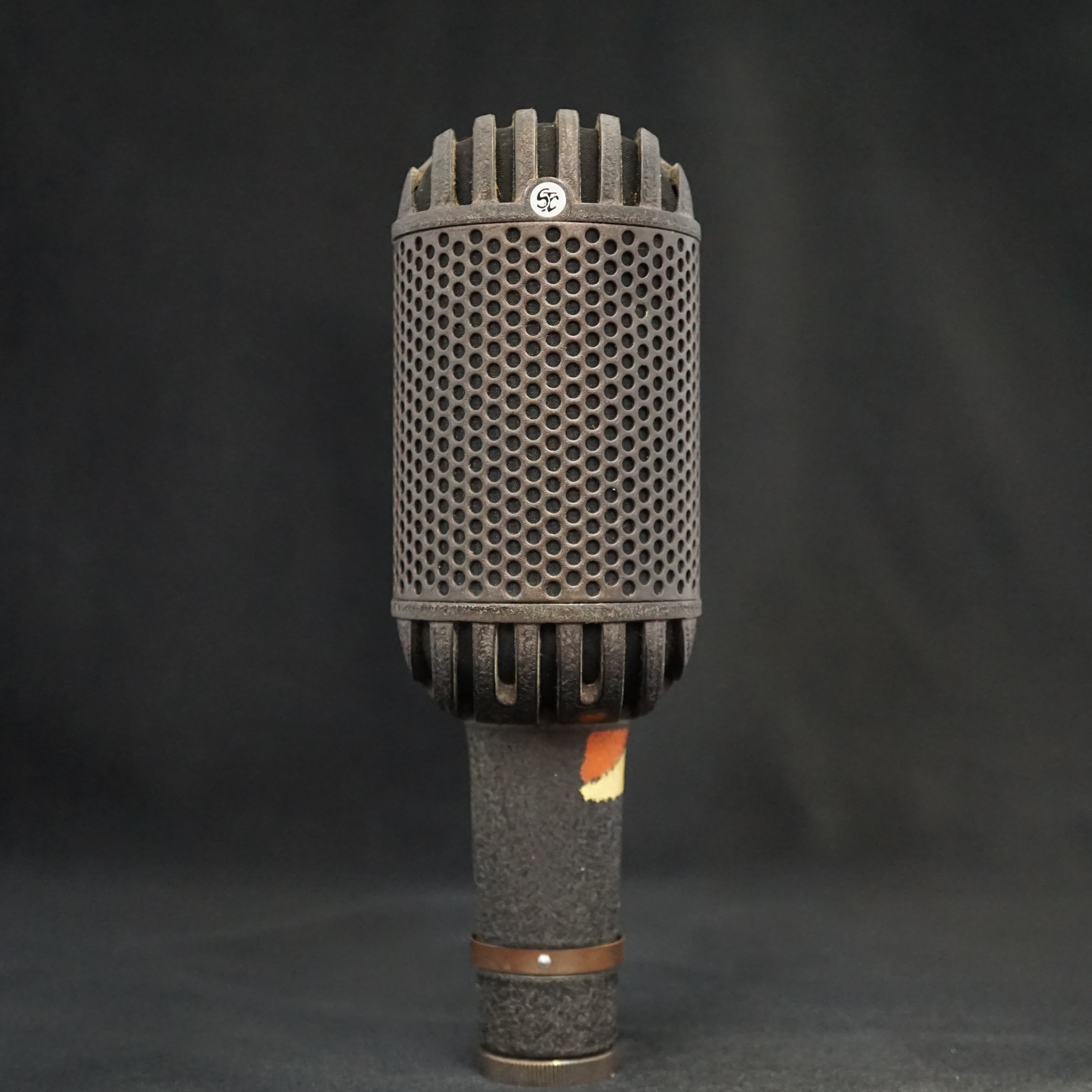
Audio Recordings:
Speech (male) recorded with an STC 4033A ribbon microphone.
Multiple quality options available
Nylon string guitar recorded with an STC 4033A ribbon microphone in position C.
Multiple quality options available
Microphone History:
The STC 4033 is a hybrid ribbon and moving coil dynamic microphone developed by Standard Telephones and Cables (STC) in the mid-1930s. It was one of the earliest British microphones to combine two transducer principles within a single unit, offering selectable response patterns that suited a range of broadcast and recording needs.
First introduced as the 4033A and later revised as the 4033B, the microphone was heavily used by the BBC and became a mainstay in British broadcast and studio environments into the 1950s. The dual transducer system allowed engineers to switch between ribbon-only, moving-coil-only, or a combined signal, offering tuneable characteristics and tone.
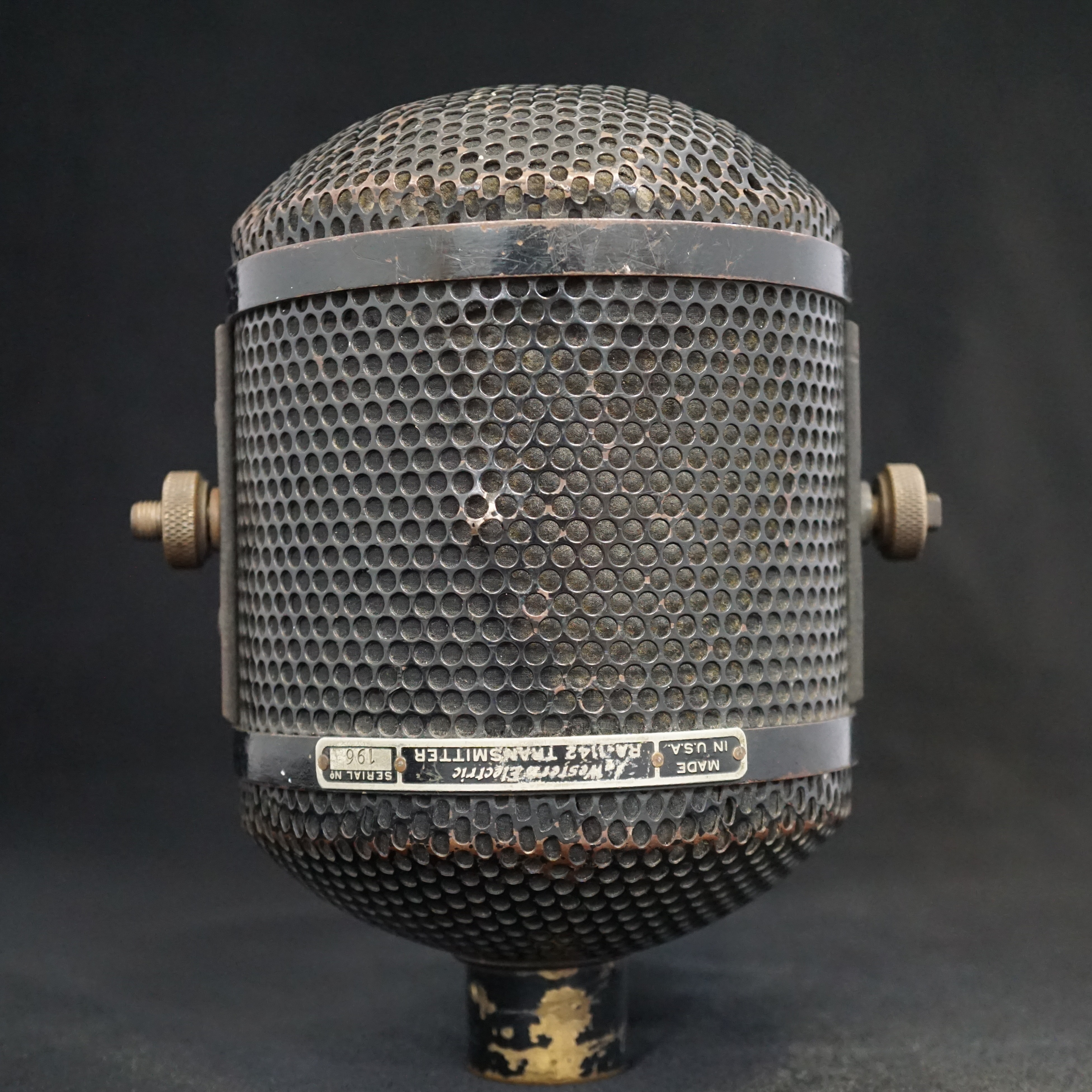
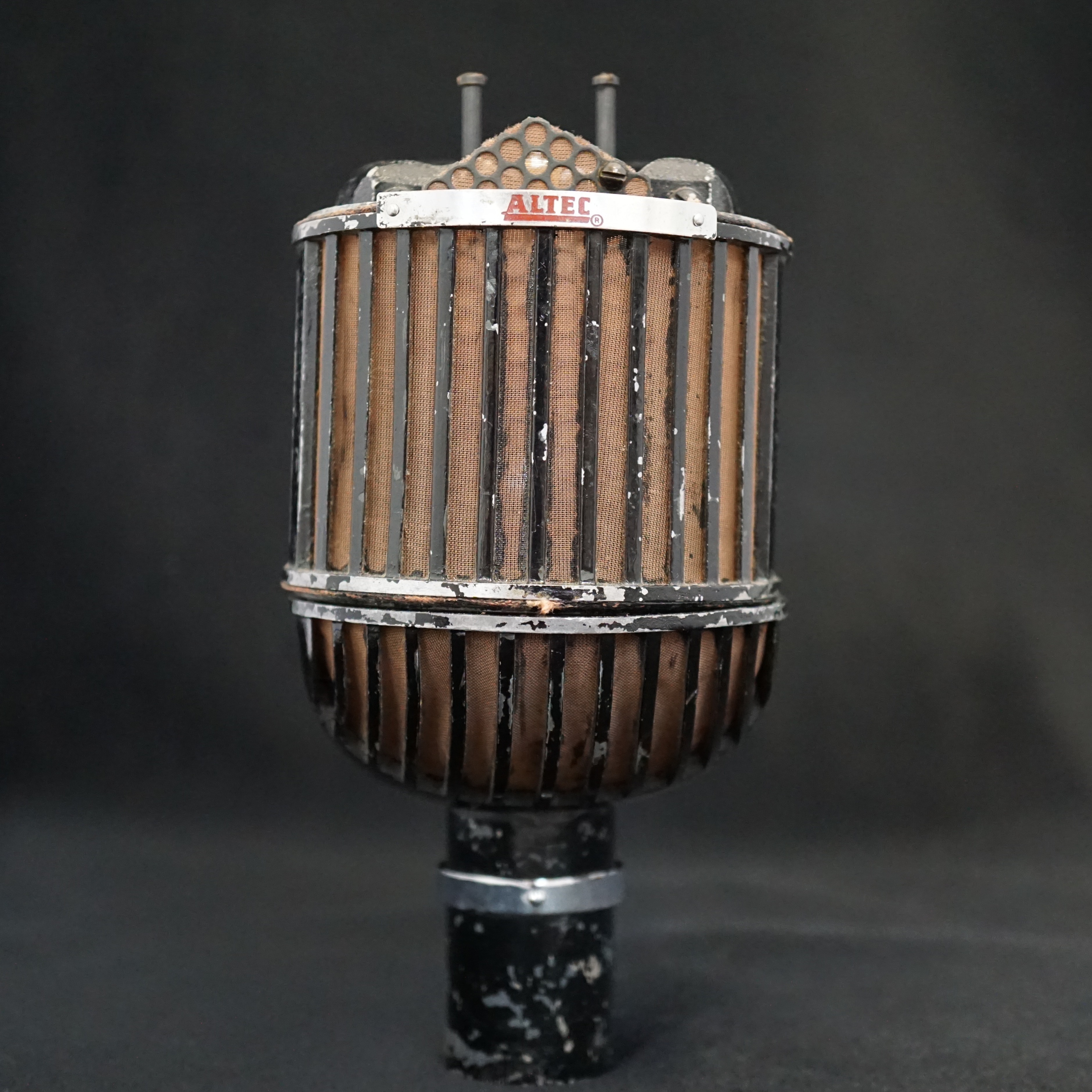
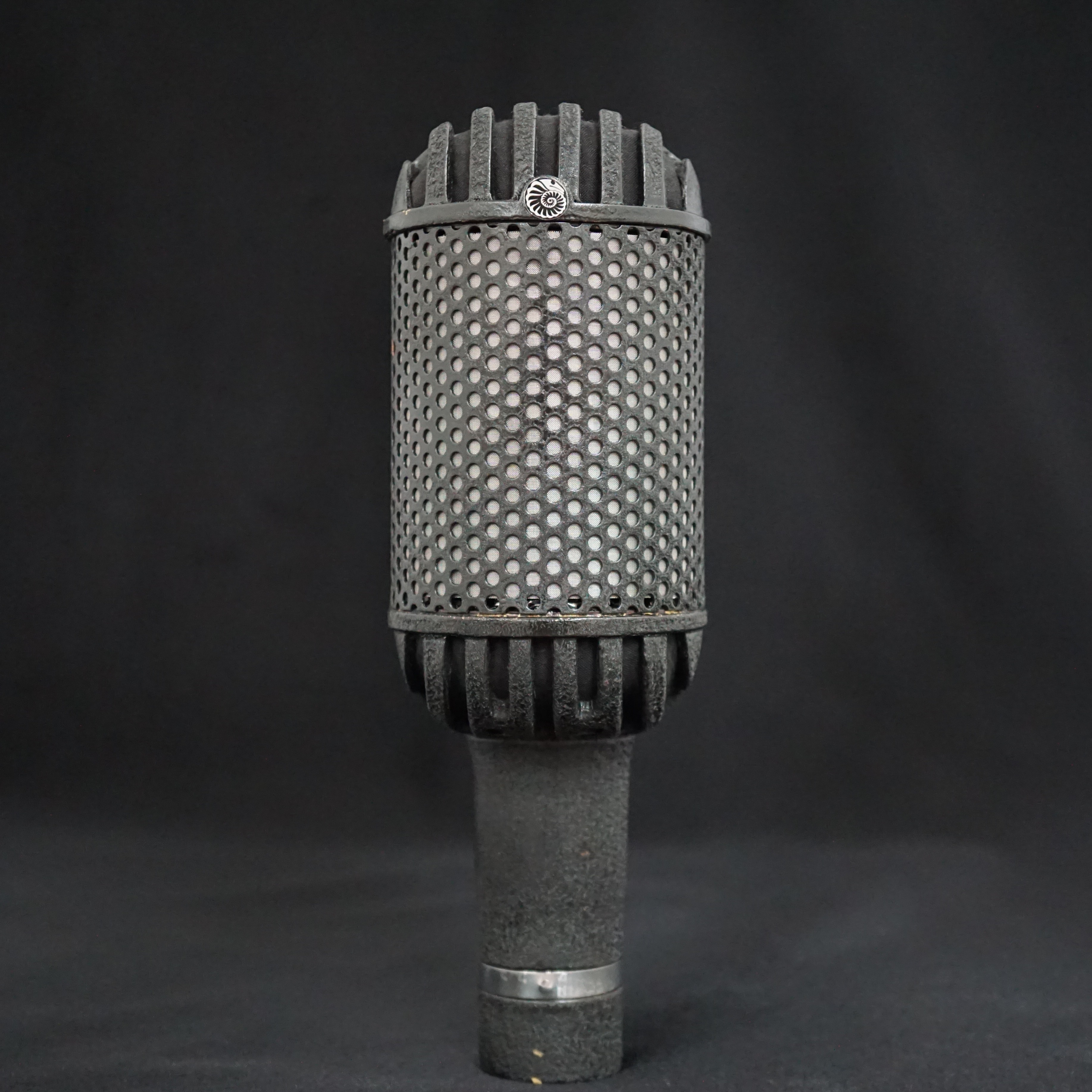
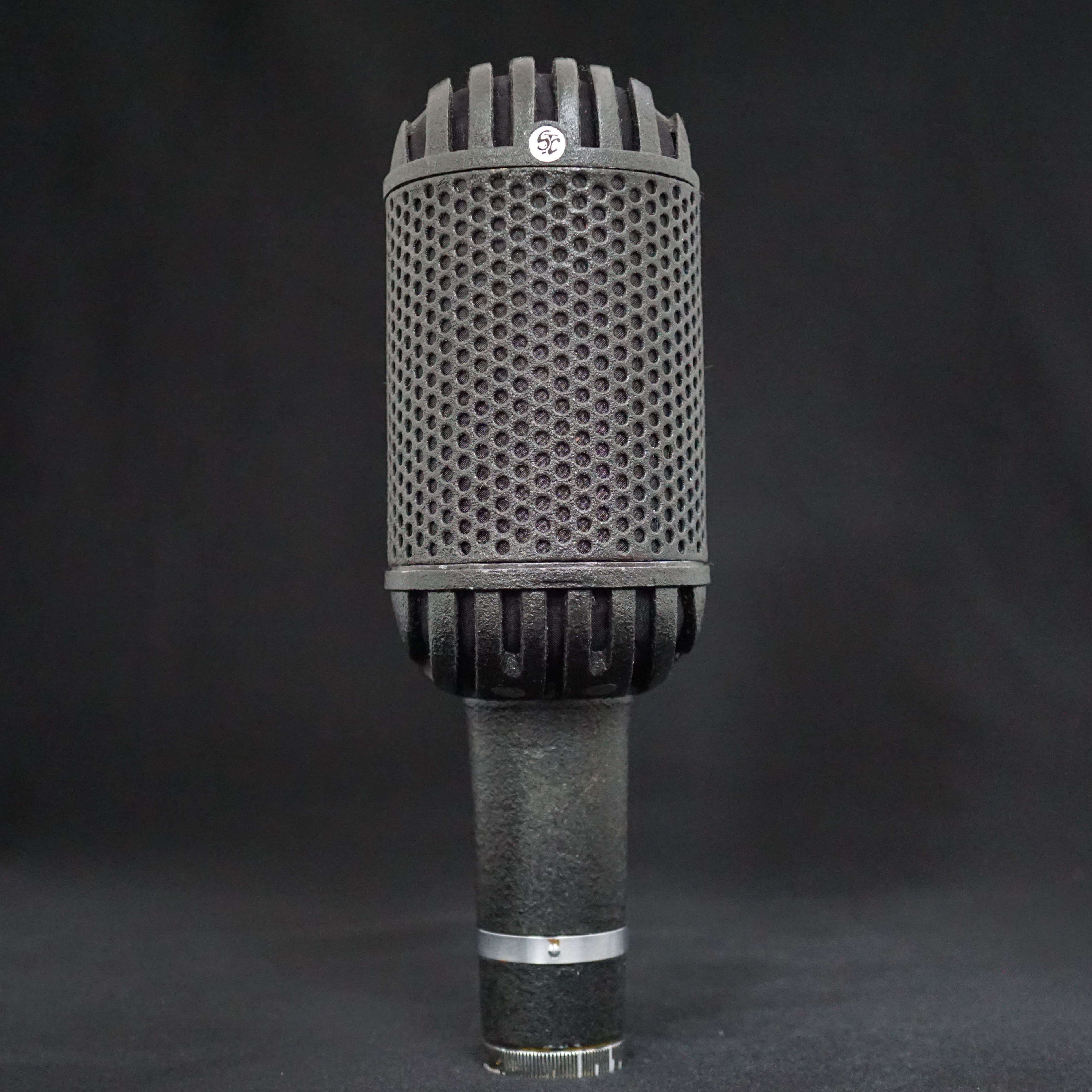
Cosmetically, we see three different finishes - early microphones are painted in gloss black with a polished aluminium band above and below the grill. Later microphones are finished in a textured paint in either black or bronze, without polished areas. The glossy mic would be fine for radio but the matt finish would be better for TV and film sets as they would be non-reflective.
From Hi-Fi Yearbook 1964-65
4033-A. Cardioid microphone. Moving coil and ribbon elements which can be used individually or in combination. Flat response 30- 10,000 cfs. Imp. 50 ohms. Sensitivity 80 dB. Front to back ratio 15 to 20 dB. Price: £54.
This was an expensive microphone in 1964!
MoMics note
The STC 4033-A ribbon motor has four small additional magnets in addition to the two large horseshoe magnets, which increase the magnetic field and thus the output level by a few dB. These extra magnets are absent in the earliest mics, which do not have the 'A' suffix. The additional magnets can be added when the microphone is service, and we sometimes see boxes where an 'A' has been added by hand to the printed '4033'.
Technical Description:
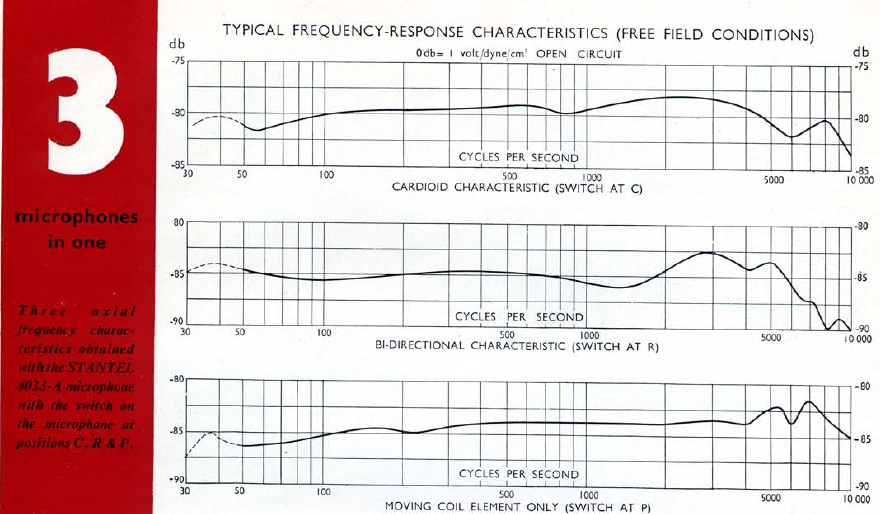
The STC 4033 is a dual-transducer, multi-pattern microphone containing both a velocity ribbon transducer and a moving-coil dynamic element housed in a zinc alloy body. At the rear of the microphone body is a three-position switch allowing selection between:
- P = Pressure (omnidirectional, dynamic element only)
- R = Ribbon (figure-8, ribbon element only)
- C = Combined (ribbon and dynamic elements summed together)
- Output impedance: 50Ω in combined mode.
- Frequency response: Approximately 30Hz - 10 kHz, though this varies when changing between ribbon and dynamic modes
Frequency Response:
Impulse Response Files:
Impulse Response file of STC 4033A microphone in position P
STC4033_Pressure_IR.wav
Impulse Response file of STC 4033A microphone in position R
STC4033_Ribbon_IR.wav
Impulse Response file of STC 4033A microphone in position C
STC4033_Combined_IR.wav