STC / Xaudia 4033-ST
Manufacturer:
STC / XaudiaModel:
4033-STCountry of Manufacture:
United KingdomMicrophone Type:
OtherPolar Pattern:
Multi-PatternProduction Start Year:
2023Rarity:
3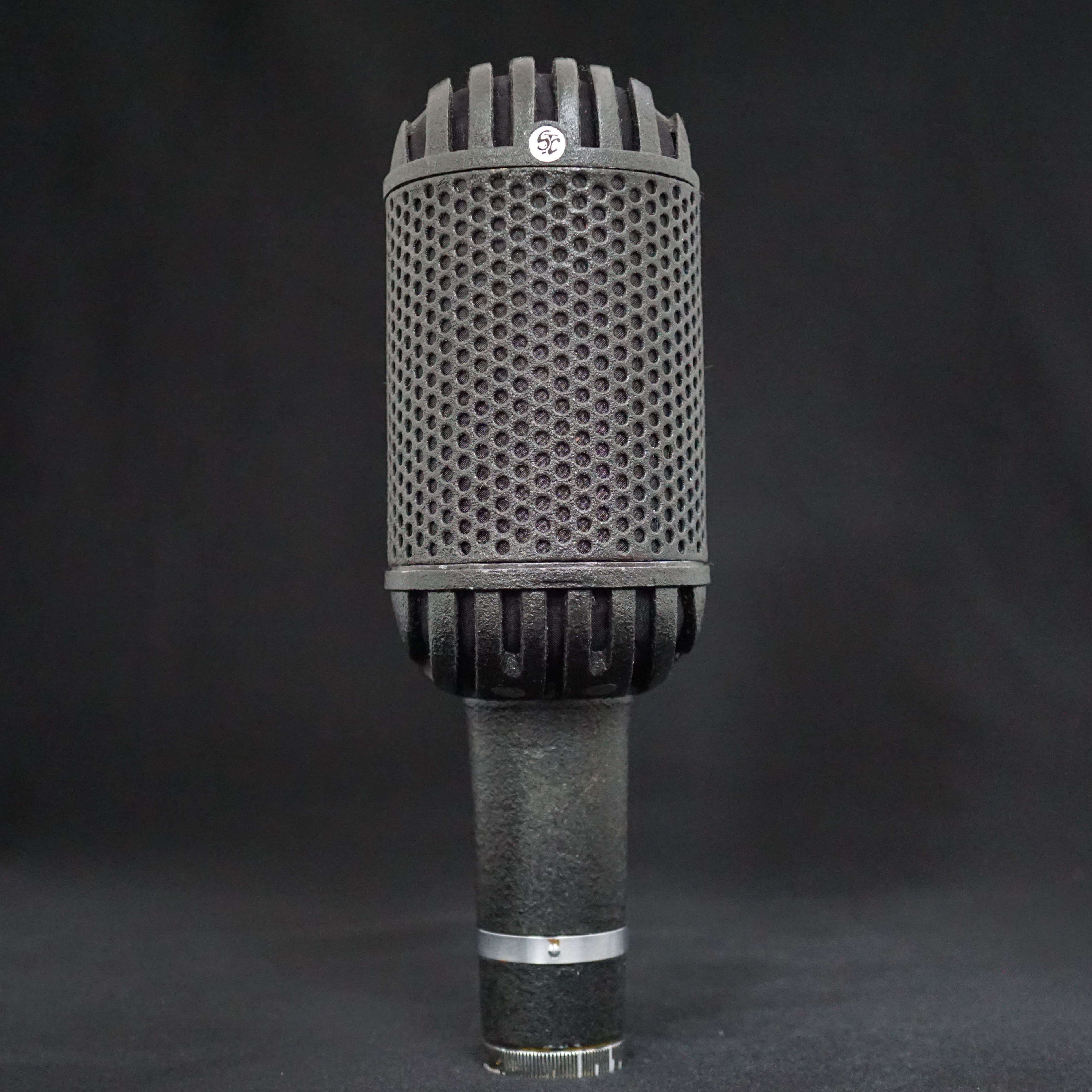
Audio Recordings:
Voice (male) recorded with the 4033-ST dual output microphone
Multiple quality options available
Steel strung Levin Guitar with the 4033-ST dual output microphone, Ribbon only.
Multiple quality options available
Steel strung Levin Guitar with the 4033-ST dual output microphone, dynamic only.
Multiple quality options available
Guitar with the 4033-ST dual output microphone, Ribbon and capsule plus reverb.
Multiple quality options available
Technical Description:
From the Xaudia microphone blog:
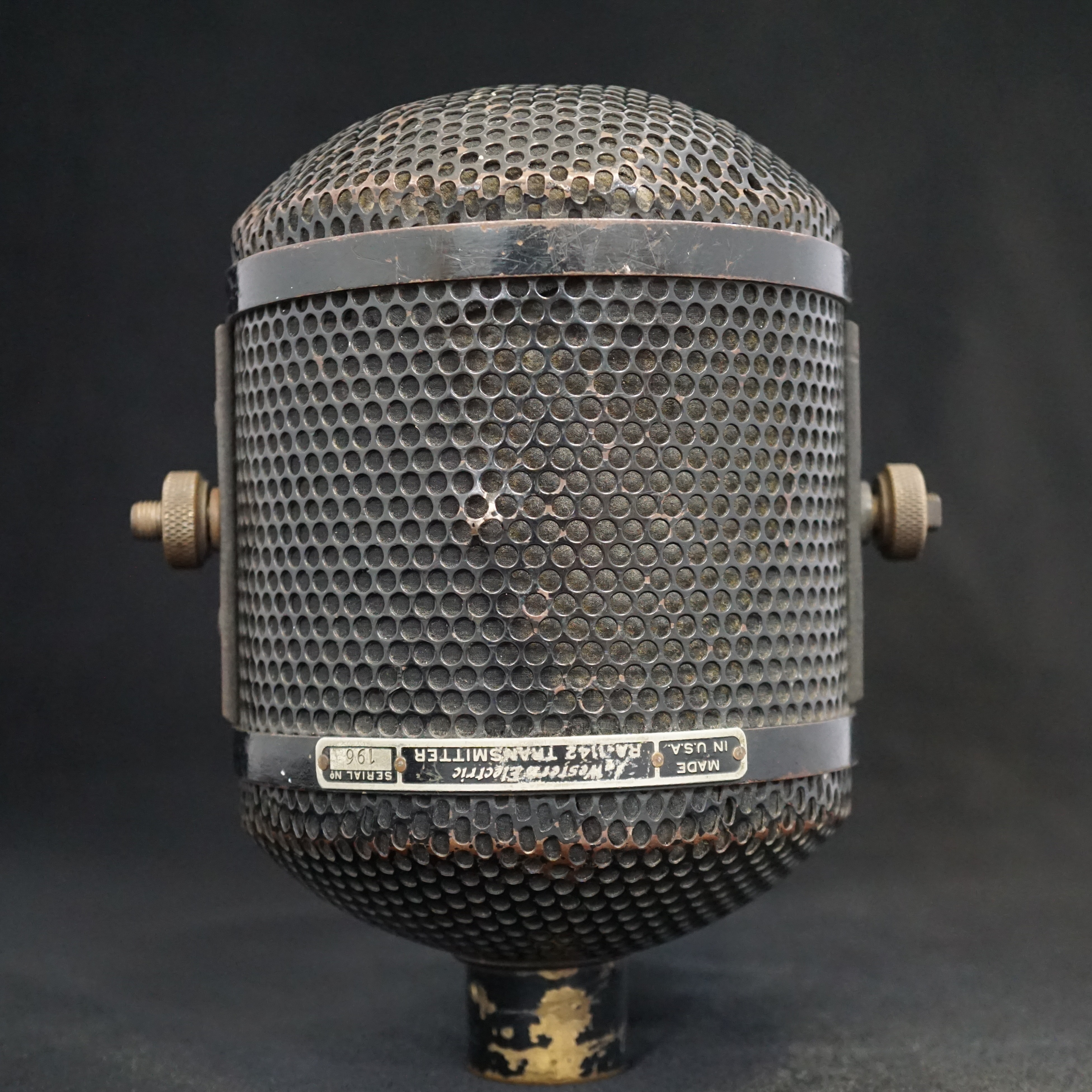
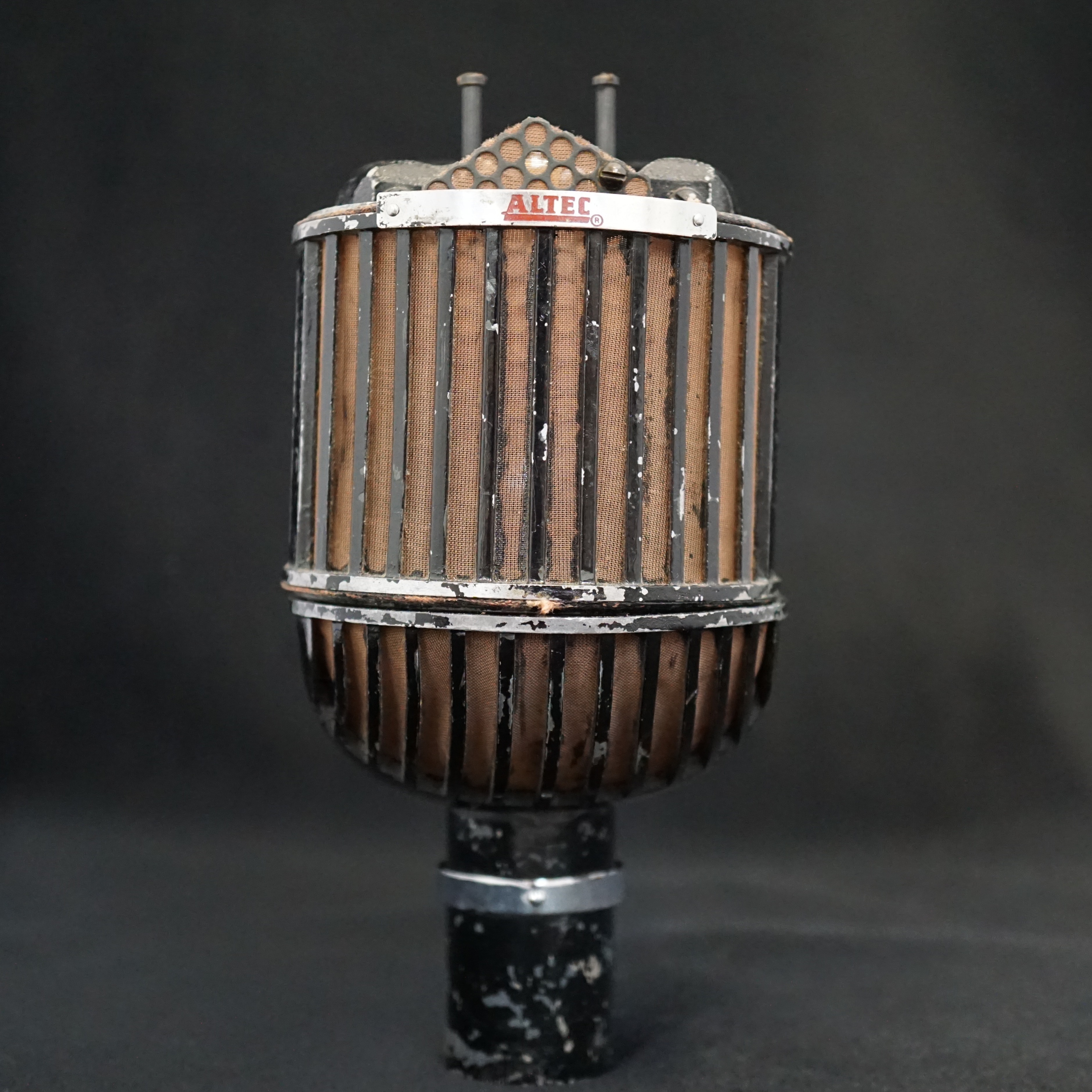
Often the best way to approach a really old mic in poor condition is to do a complete rebuild, rather than trying to fix numerous small problems and then finding others. And that also gives the opportunity to make some changes, so that the microphone is more suitable for use in a modern studio setting. Common problems with 4033s are broken output pins, noisy, stretched or broken ribbons, flaky paint, erratic switches and bad capsules. Luckily the mic on my bench this week had a good capsule, and the other issues can be solved.
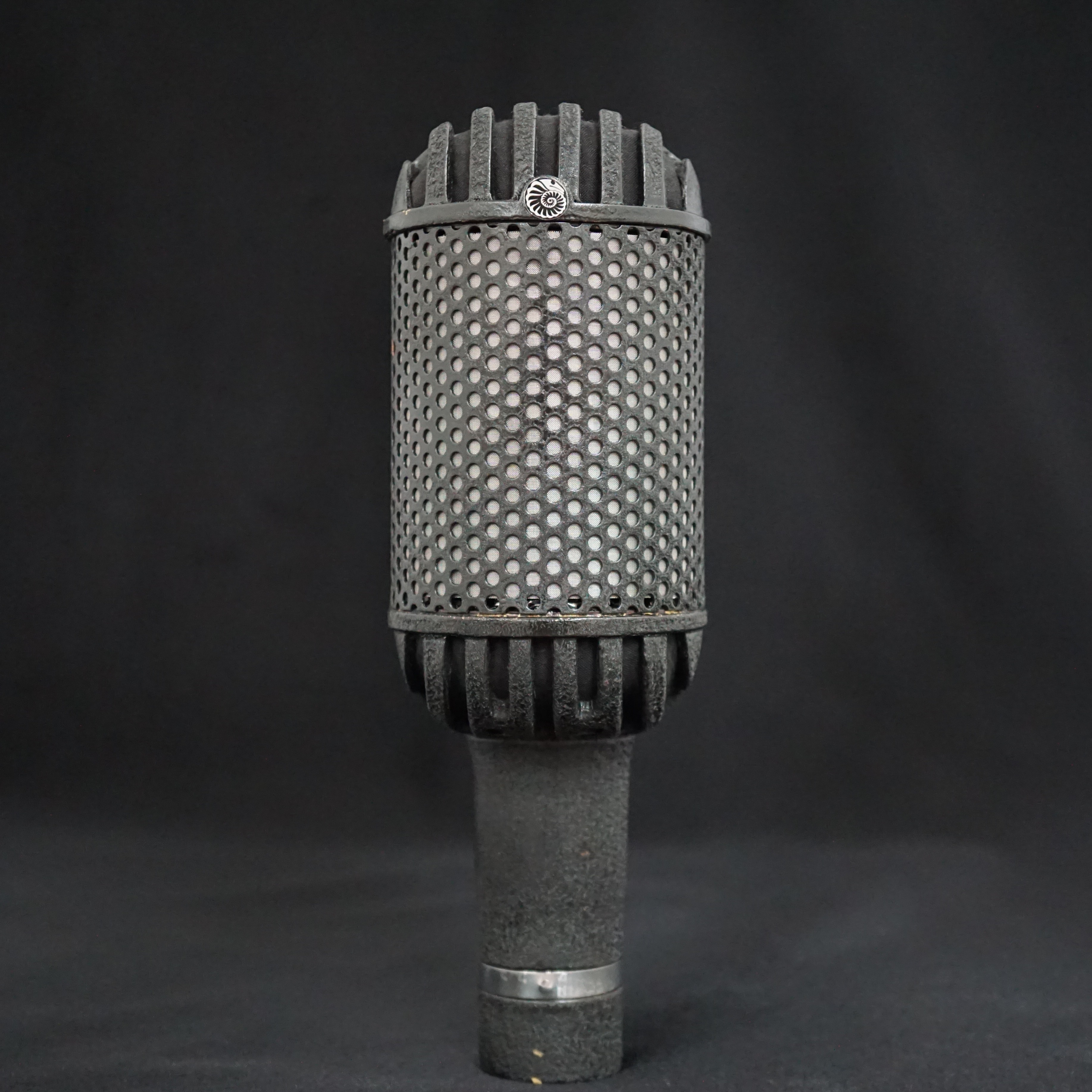
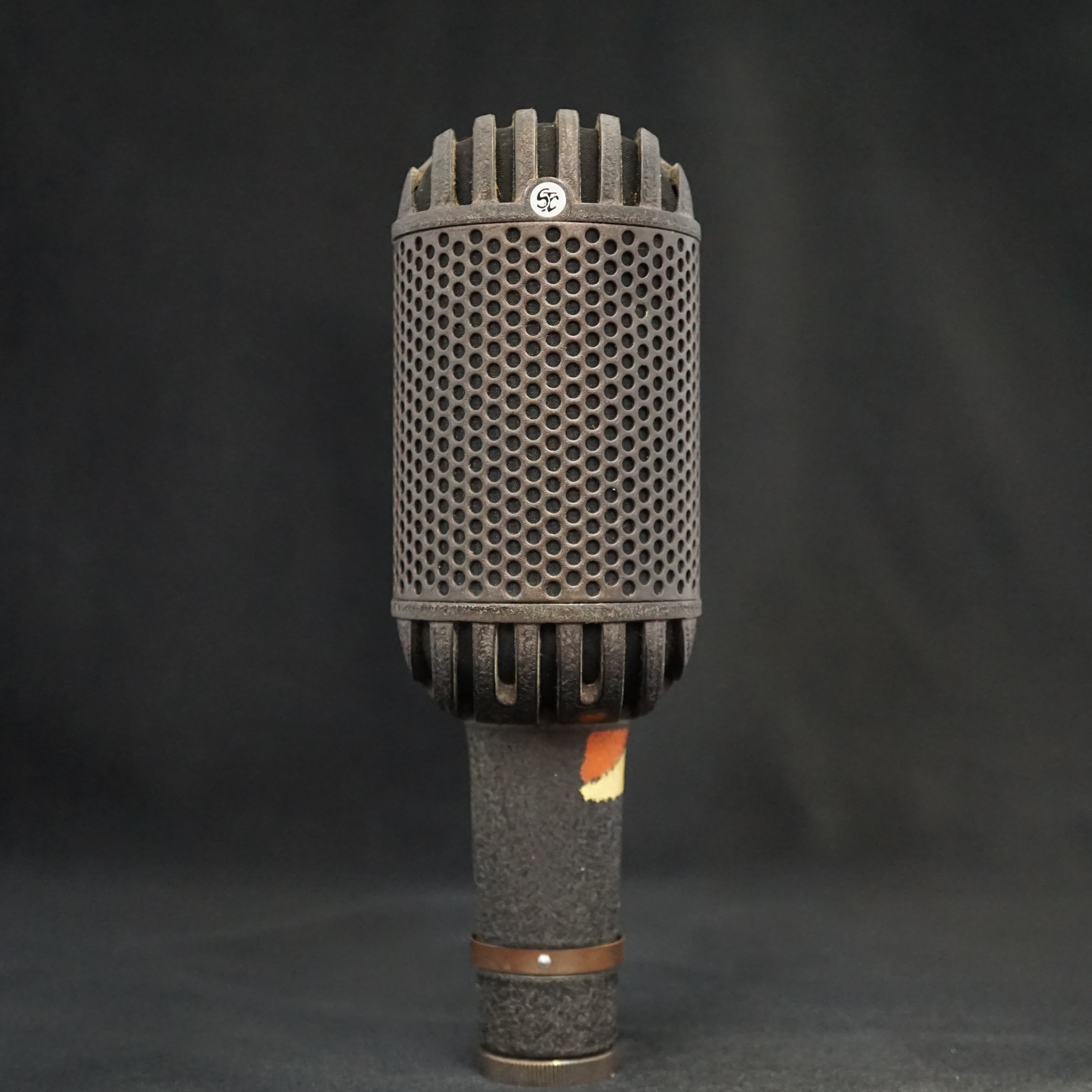
For this mic I decided to split the ribbon and dynamic outputs into different channels, bypassing the switch and filter section. Each channel gets its own transformer so that the outputs are both 300 ohms. The output impedances are now the same as a modern Coles 4038, and any good modern mic preamp will work nicely with a 300 ohms source. Adam at Extinct Audio re-finished the microphone for me and fitted new grill cloths, and I added a 5 pin XLR socket to carry the two outputs. Everything was re-wired and the ribbon replaced.
So now we have a modernised 4033 with two outputs, both at 300 ohms, which can be recorded onto separate channels and mixed together to taste. Each channel can be given separate equalisation or compression. I made a couple of recordings to show how this works.
Firstly, a little bit of speech to introduce the microphone and hopefully demonstrate how the two transducers sound, separately and together.
The track above has a little bit of compression and bass cut on the ribbon element (to control my sloppy playing), and a plate type reverb on the dynamic capsule to give it a feeling of space and depth.
The result of this is that we now have a microphone with a sufficently low noise floor for recording gentle acoustic fingerpicking, and the two outputs makes it versatile and opens some creative doorways, such as blending the sounds to taste and adding EQ, dynamics or effects. One can also pan the channels for a stereo effect. And the ribbon motor and dynamic elements themselves remain unchanged, so the sound is very close to that of a classic 4033A. Best of both worlds? Maybe.