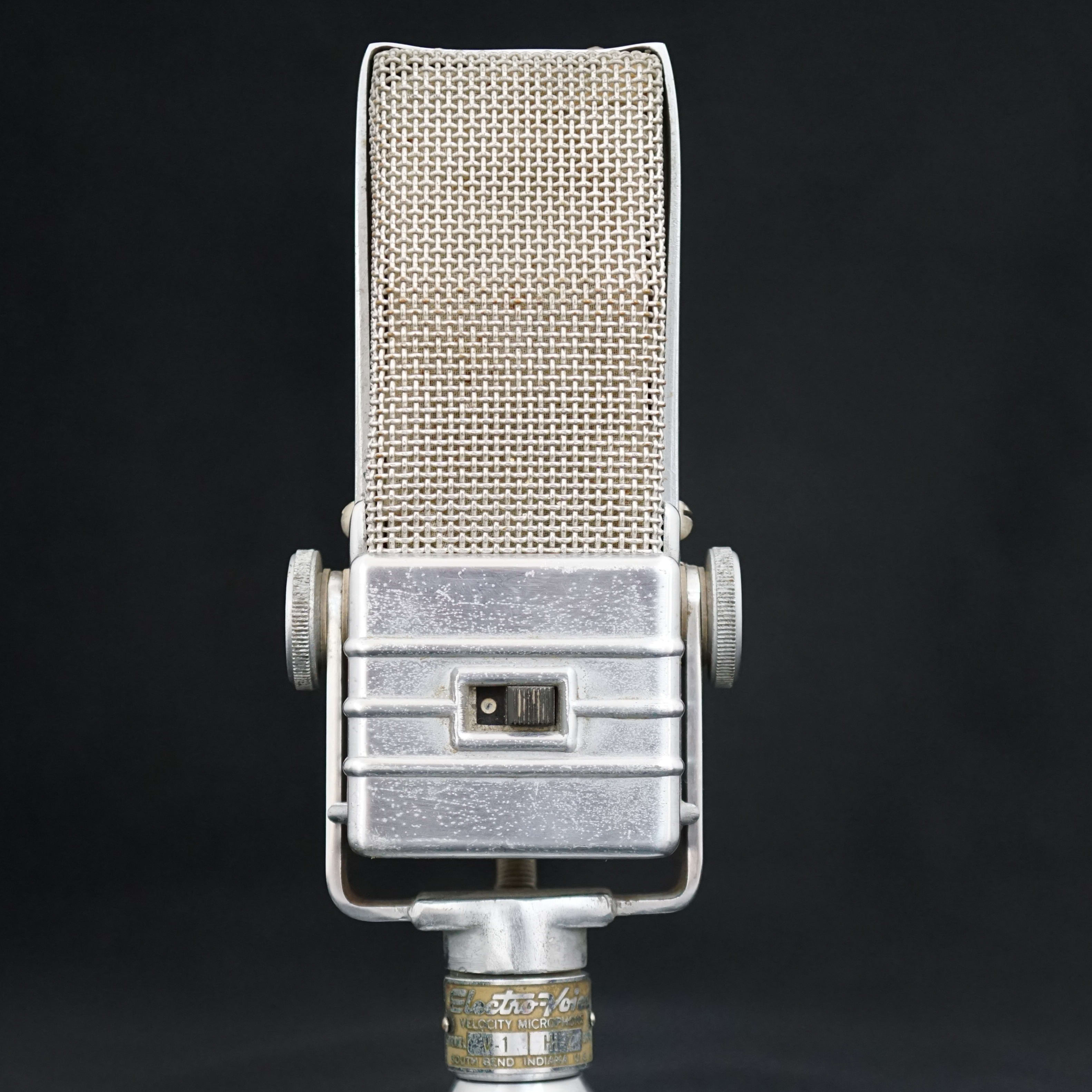
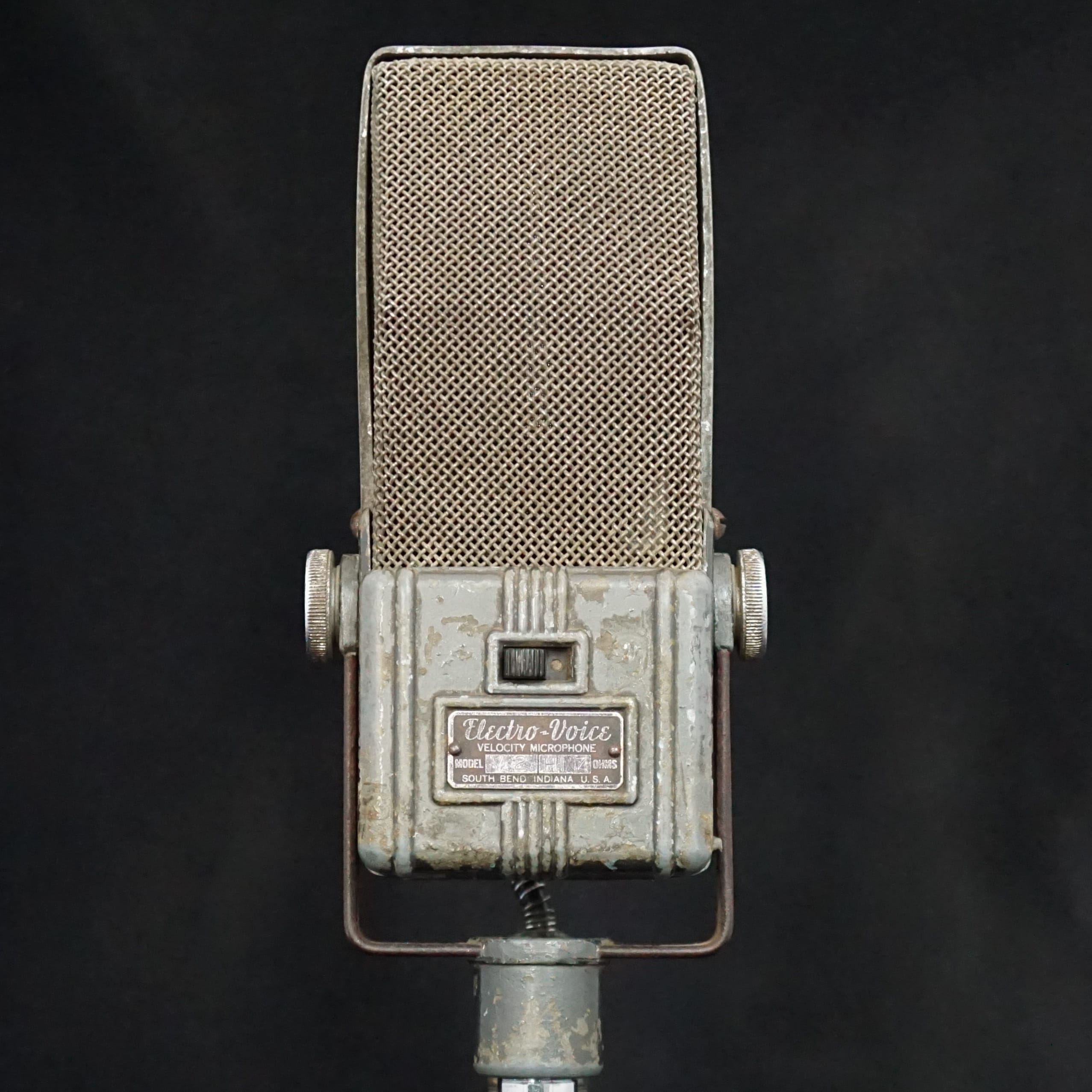
Universal Microphone Co. Ltd. Airmaster (M4)
Manufacturer:
Universal Microphone Co. Ltd.Model:
Airmaster (M4)Country of Manufacture:
United StatesMicrophone Type:
RibbonPolar Pattern:
Figure 8Production Start Year:
1938Production End Year:
1941Rarity:
4
Audio Recording:
Nylon string guitar recorded with a Universal M4 Airmaster ribbon microphone. (This recording used a replacement transformer.)
Multiple quality options available
Microphone History:
This ribbon microphone was advertised in Radio Craft magazine in March 1938 (page 654) and again in Broadcasting magazine in January 1939. At that point it was marketed as the Airmaster. By 1941, the name had changed to the M-4 series. By that point, Europe was already two years into WW2 and perhaps Airmaster sounded too 'military' for a civilian microphone brand. The US joined the war after the Pearl Harbour attack in December 1941.
Technical Description:
From an advertisement in the 1941 Harry Reed catalogue. (Page 40 E3)
Scientifically developed, four-magnet Velocity unit. For general public address and semiprofessional use. Non-resonant. A best seller, Will greatly reduce feedback in any installation.
Frequency range, 40-10,000 Hz.
Output level; 58 dB below one volt per bar.
Humbucking transformers.
Equipped with tilting cradle. 25 foot cable and lock ring connector at housing.
Black "crackle* finish with high Polish chrome trim.
Size: 2 inches x 3½ Inches x 5½ Inches. Packed weight 3.5 lb
Available in four impedances: Models:
108 - High impedance; 107 - 500 ohms; 106 - 200 ohms; 105 - 33 ohms
Price $22.50
MoMics technical note:
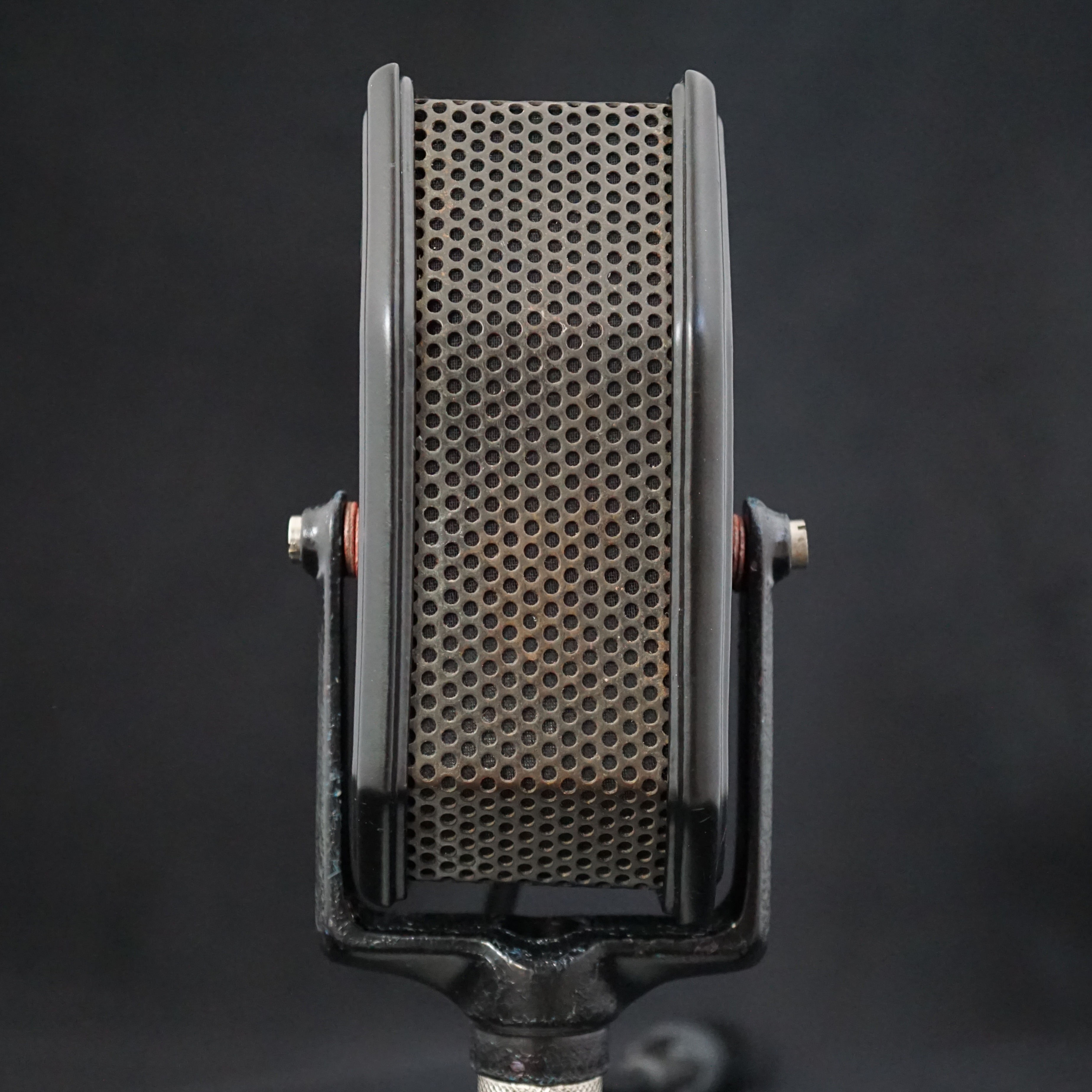
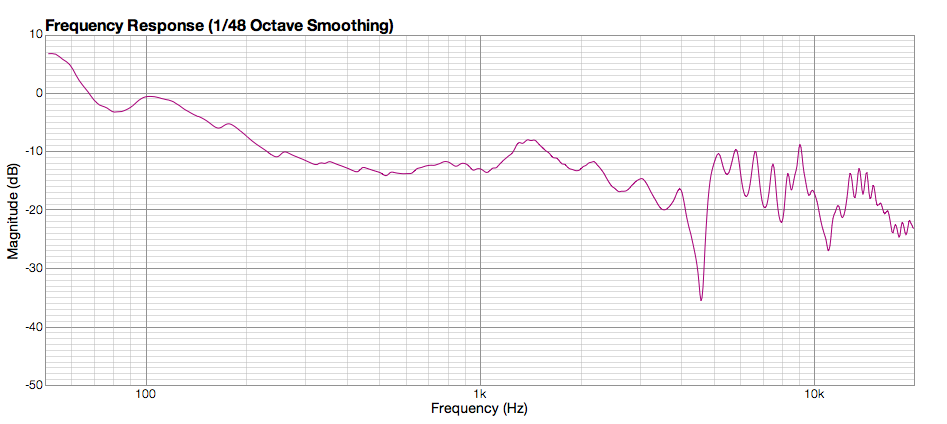
The Universal Airmaster is constructed with a three part casing with a very Art Deco appearance. The rear of the body is made from a cast zinc based alloy painted in a textured black finish, with a diamond pattern rear grill and a lower protrusion to accommodate the transformer and output socket. The front is made from two flat parts with chrome plated highlights. All this is supported by an elegant chromed yoke with two thumb wheels and rubber bushings to absorb vibrations transmitted from the floor through the mic stand. The cast body and intricate grills look fantastic but they do have a pronounced effect on the frequency response, which is far from flat.
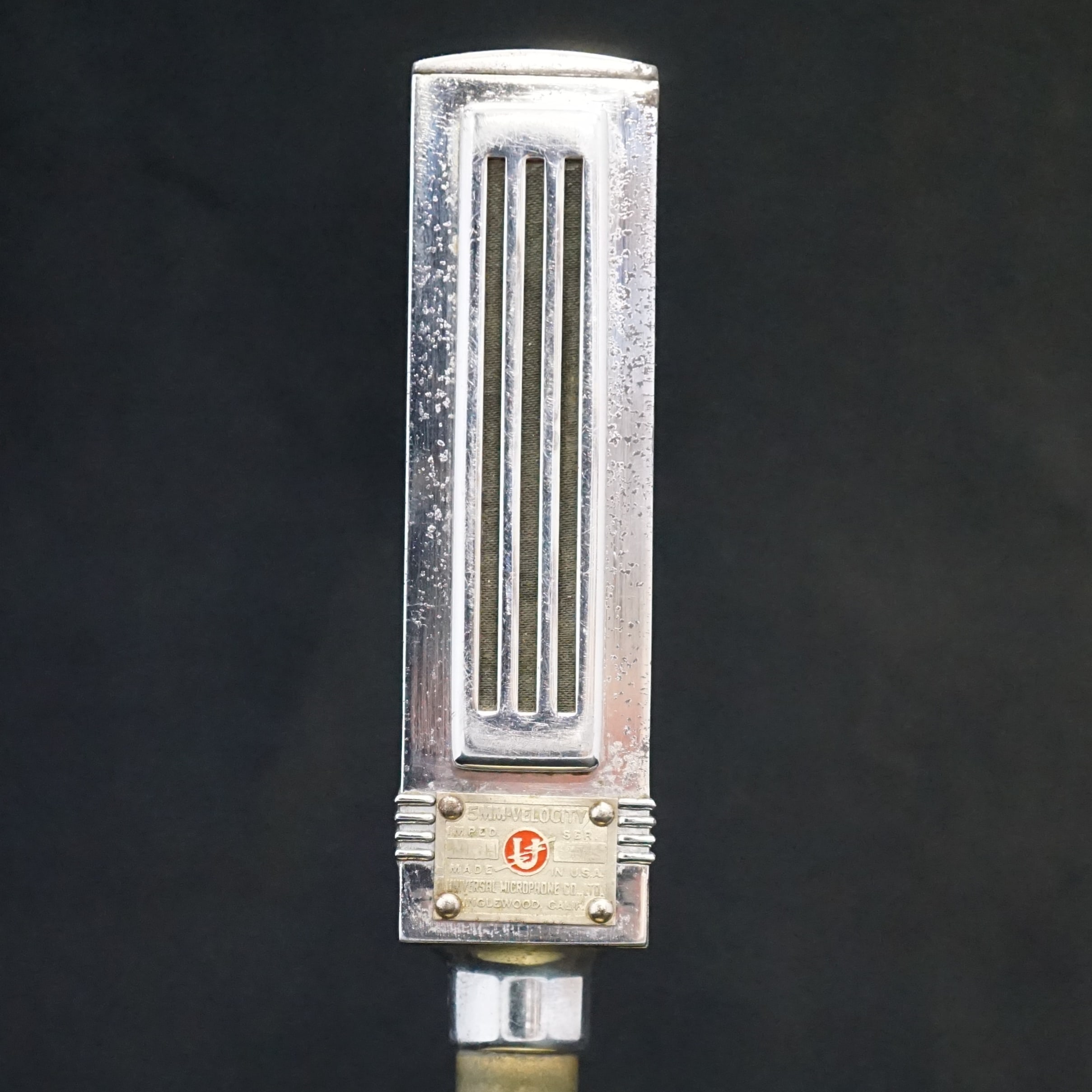
Our exhibit has a badge on the front which is stamped with the following specifications. Impedance: 500 ohms; Output dB: -63; Serial No. 1876; Freq. Res: 40-10000. The output level differs from the 58dB published in the 1941 advertisement quoted above. It does not have a model number stamped on the outside of the microphone.
The magnetic field is supplied by four horseshoe magnets at the rear of the ribbon, glued to a pair of flat steel pieces. Blocks of rubber stop the magnets from moving. The technical specs in the advertisement quoted above mention 'humbucking transformers' but we were still surprised to see that this is achieved with TWO separate transformers rather than a single twin-core transformer. Presumably the transformer wires are wound in opposite directions, one clockwise and the other anti-clockwise. Electrical connection to the outside world is via a removable three pin plug which is similar to Shure and Amphenol plugs of the same era.
Frequency Response:
Impulse Response File:
Impulse Response file of the Universal M4 ribbon microphone.
Universal_M4_IR.wav