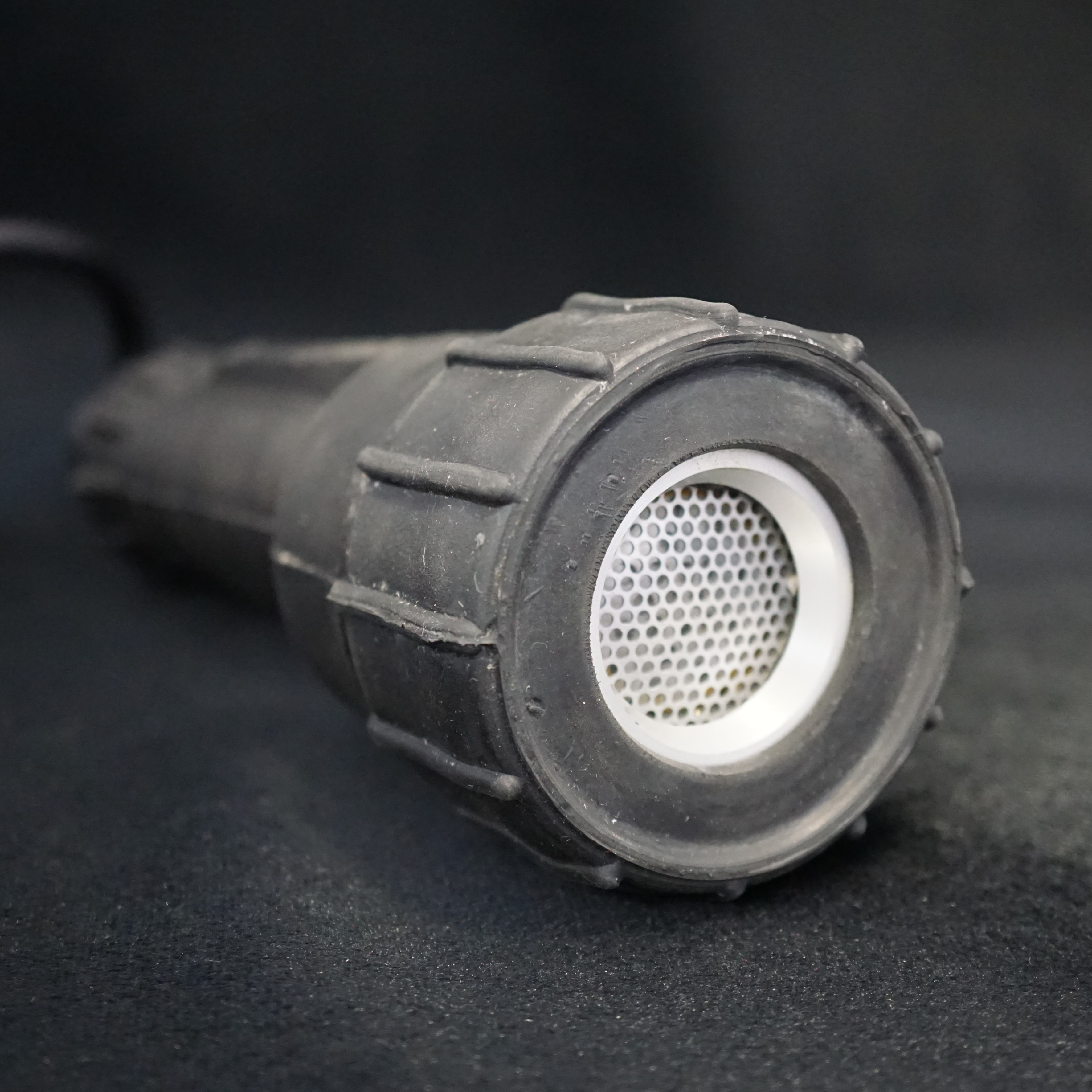
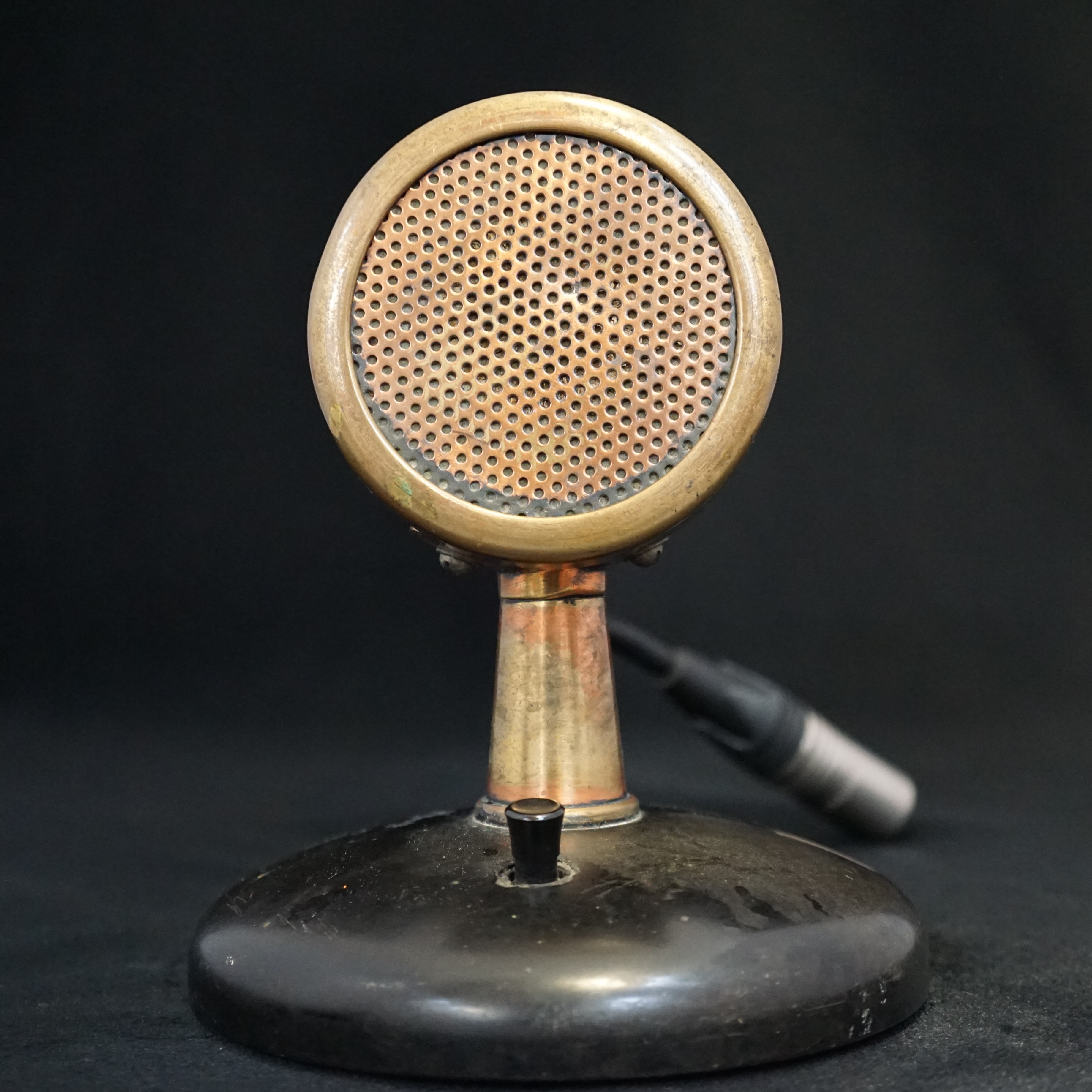
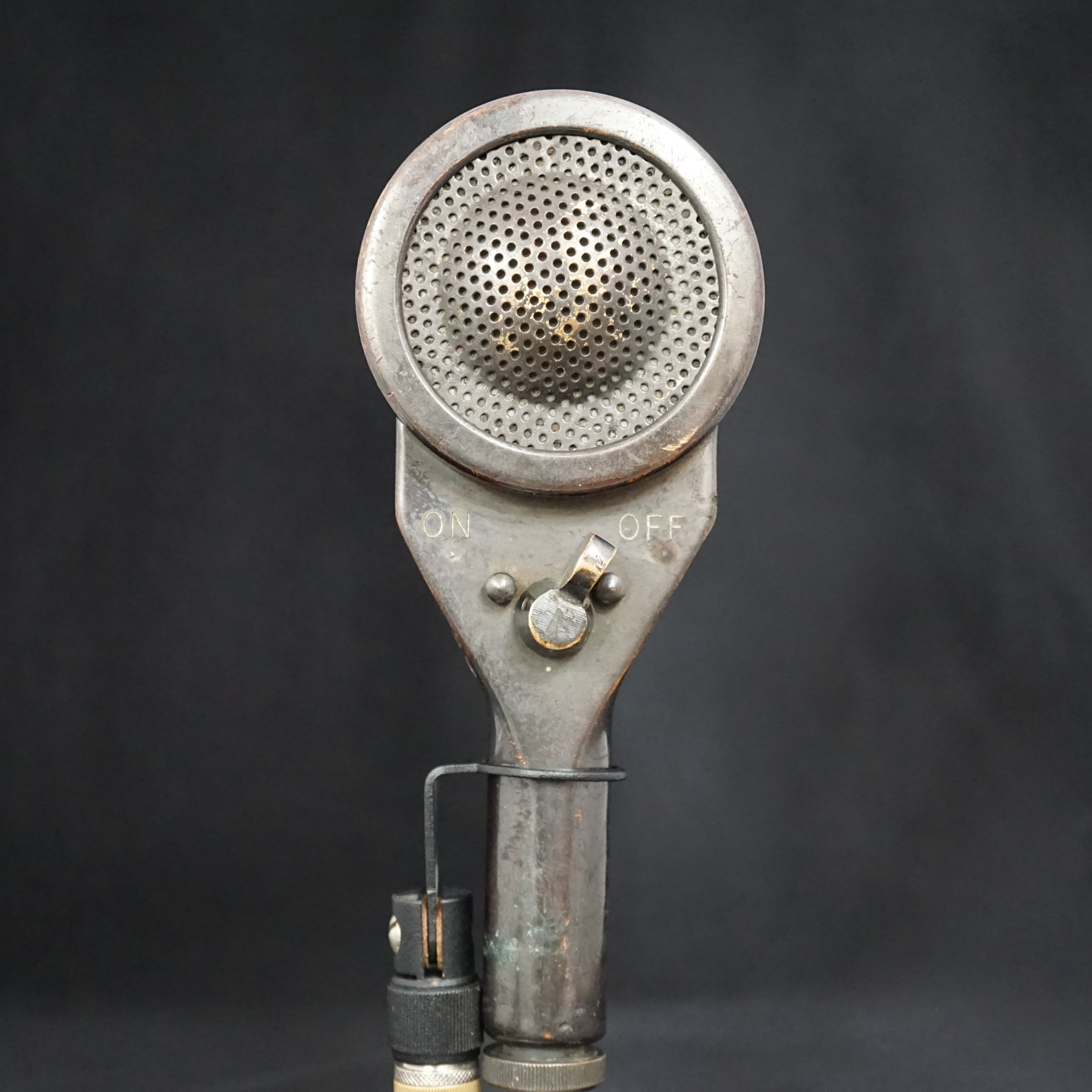
Vitavox B50
Manufacturer:
VitavoxModel:
B50Country of Manufacture:
United KingdomMicrophone Type:
DynamicPolar Pattern:
CardioidProduction Start Year:
1964Rarity:
2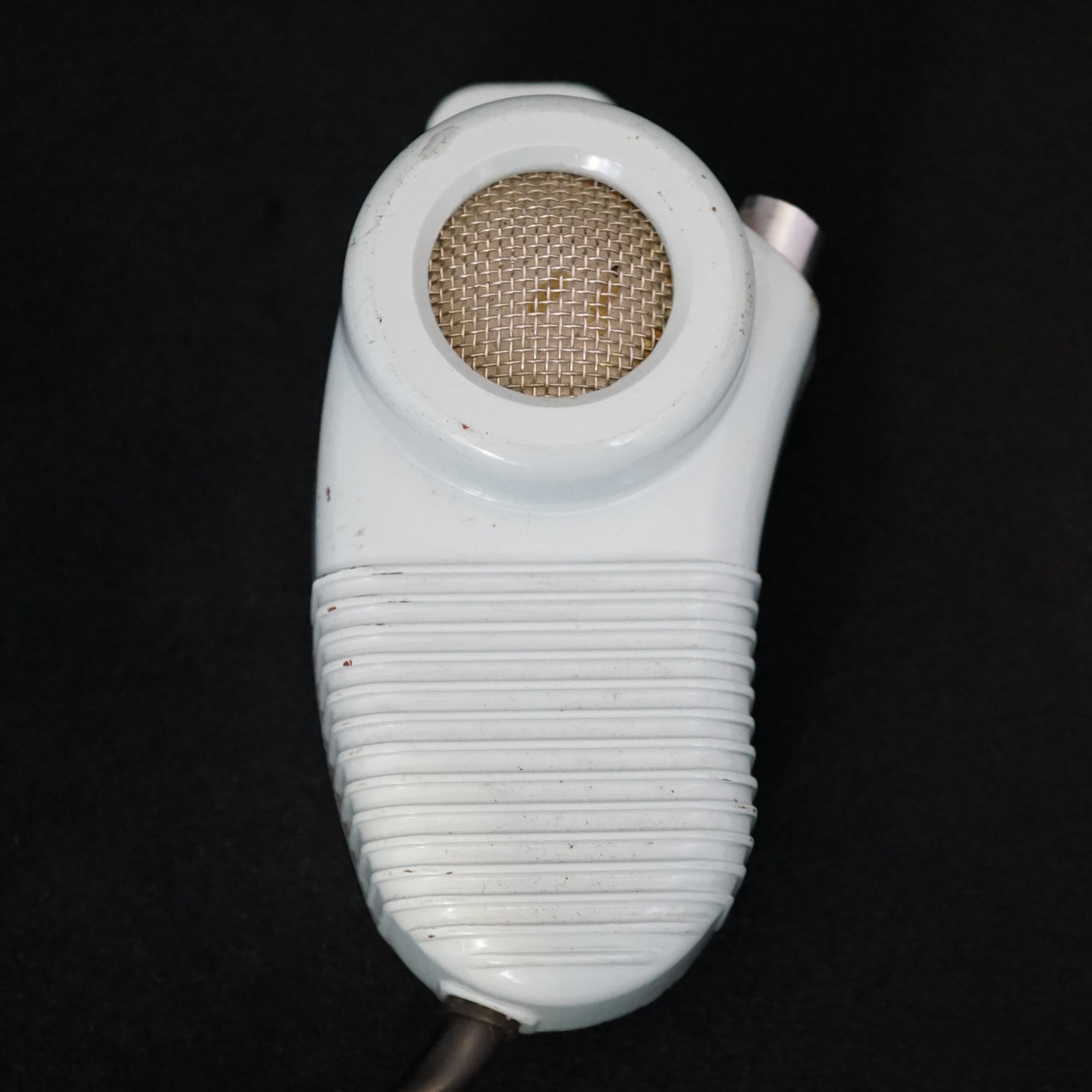
Audio Recording:
Speech (male) recorded with the Vitavox B50 talkback microphone.
Multiple quality options available
Microphone History:
These small dynamic microphones incorporated a push-to-talk switch and were widely used for public address announcements and also as talkback microphones in studios - including Abbey Road during the Beatles era.
Models B50 and B54 looks the same but B50 had a transformerless output impedance of 25 ohms, whereas B54 incorporated an internal step-up transformer.
From the book "Recording the Beatles" by Kevin Ryan and Brian Kehew, 2006"
"The Vitavox B50 is one of the more recognisable Beatles mics, though it is not a "recording mic", per se. Abbey Road acquired the Vitavox handheld dynamic microphones in the early 1960s specifically for use with EMI's REDD mixing desks. Whereas the Balance Engineer typically made use of a talkback microphone built into the desk, anyone else wishing to speak to the artists on the studio floor could do so independently of the Balance Engineer by using the Vitavox.
Vitavox was founded in 1931 and specialised in microphone and speaker manufacturing for the military and motion picture industry. The B50 microphone was described by the company as a "sturdy handheld weatherproof microphone for general voice announcements." It was activated by a spring-loaded switch which could be locked in the "down" position by rotating the knob. However, if the switch were inadvertently locked down, there was the danger that artists on the studio floor might overhear otherwise private comments from the Control Room. To avoid such embarrassing incidents, EMI technicians carefully removed the locking mechanism on each microphone!
Several Beatles outtakes feature the voice of George Martin speaking to the group from the Control Room using the Vitavox. The microphone also accompanied the REDD.51 when it was temporarily transported to the Beatles' Apple Studios for the recording of Let It Be. The Vitavox remained in use as the Producer's talkback mic when the new TG desk was installed in Studio Two in late 1968."
Technical Description:
From Hi-Fi Yearbook 1965-66
VITAVOX LTD., Westmoreland Road, London, N.W.9. Tel. : Colindale 867 1 .
B50.
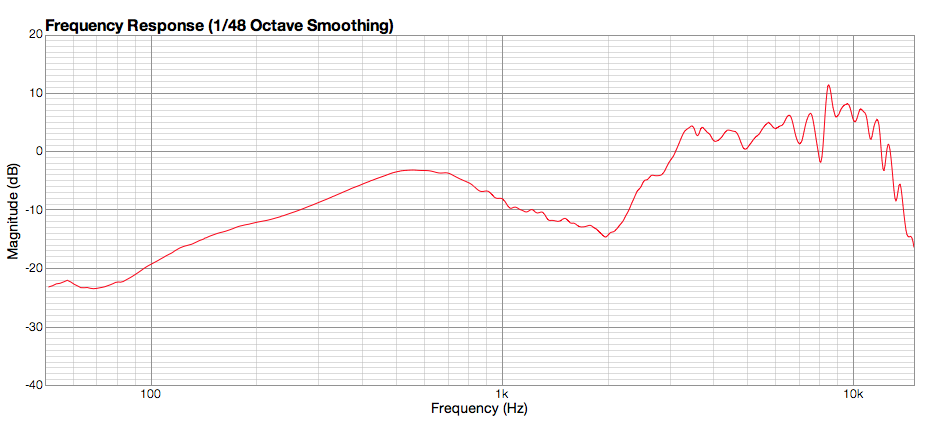
Moving coil. Response 60 Hz-8 kHz.
Sensitivity - 85 dB. Source imp. 25 ohms.
6 ft. cable. Built-in control switch. Price : £6 17s.
B54.
Moving coil incorporating built-in transformer.
Response 60 Hz-8 kHz.
Sensitivity - 85 dB (excluding transformer).
Source imp. 200, 500, 10K, 100K ohms
according to transformer. Built-in controlswitch. Price : £8 5s
Frequency Response:
Impulse Response File:
Impulse Response file of the Vitavox B50 talkback microphone.
Vitavox_B50_IR.aiff
Further Reading:
Abbey Road - The art of Recording, on the Vitavox B50'
"This iconic handheld dynamic mic was used as a talkback microphone by Sir George Martin to communicate with artists in the studio. It has facilitated thousands of Abbey Road conversations between Studio Two control room and live room. The engineers on the session would have used the built-in mic on the mixing desk, so this mic became the all-important link between artist and producer."