RCA KU-3A
Manufacturer:
RCAModel:
KU-3ACountry of Manufacture:
United StatesMicrophone Type:
RibbonPolar Pattern:
CardioidProduction Start Year:
1962Production End Year:
1970Rarity:
4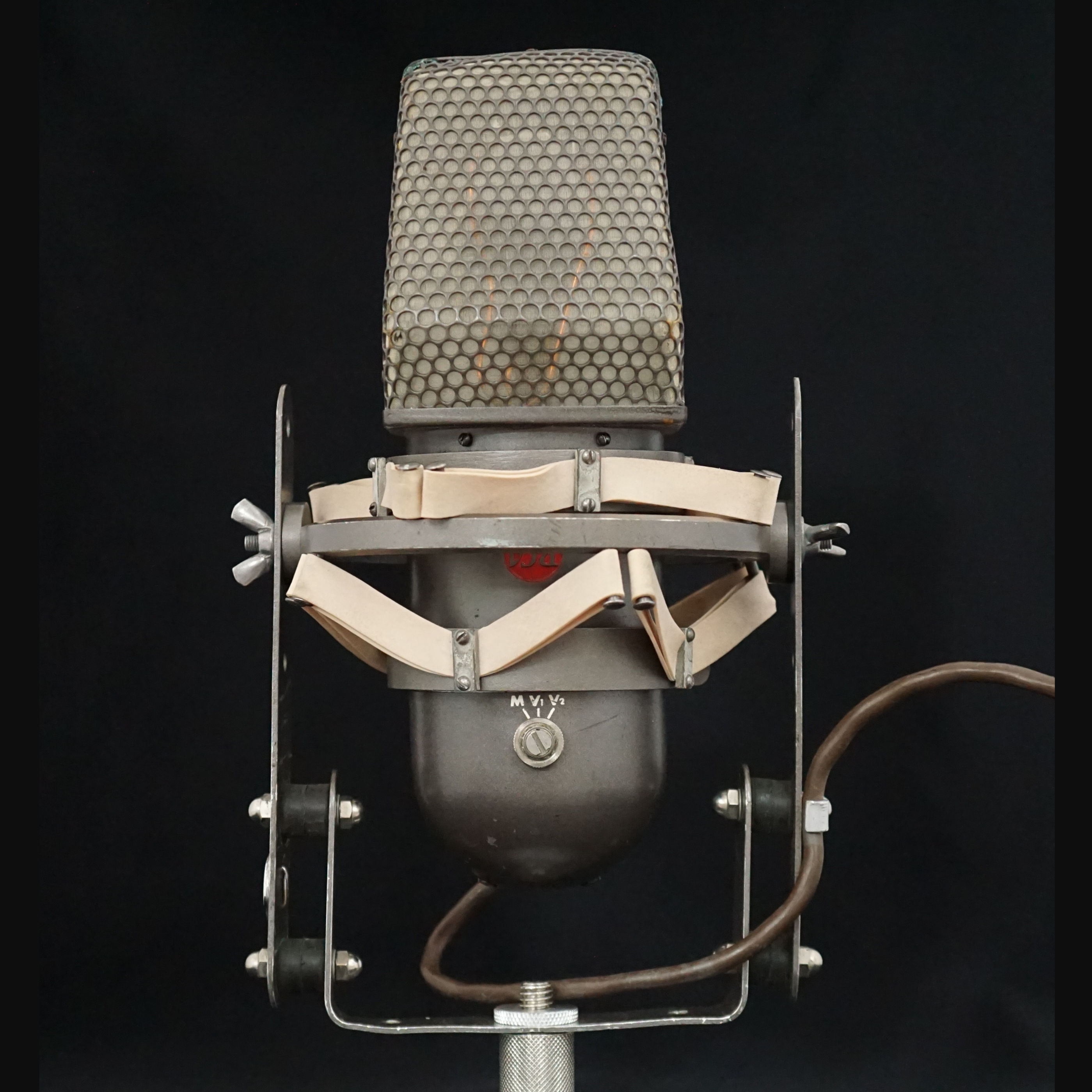
Microphone History:
MoMics view
The KU-3A appears in the RCA catalogues of 1962 and 1968 but was no longer listed in 1972. It also appears in 'Electronic Radio Master' catalogue in 1970. We have thus given the production range from 1962-1970 although this may be out by a year either side.
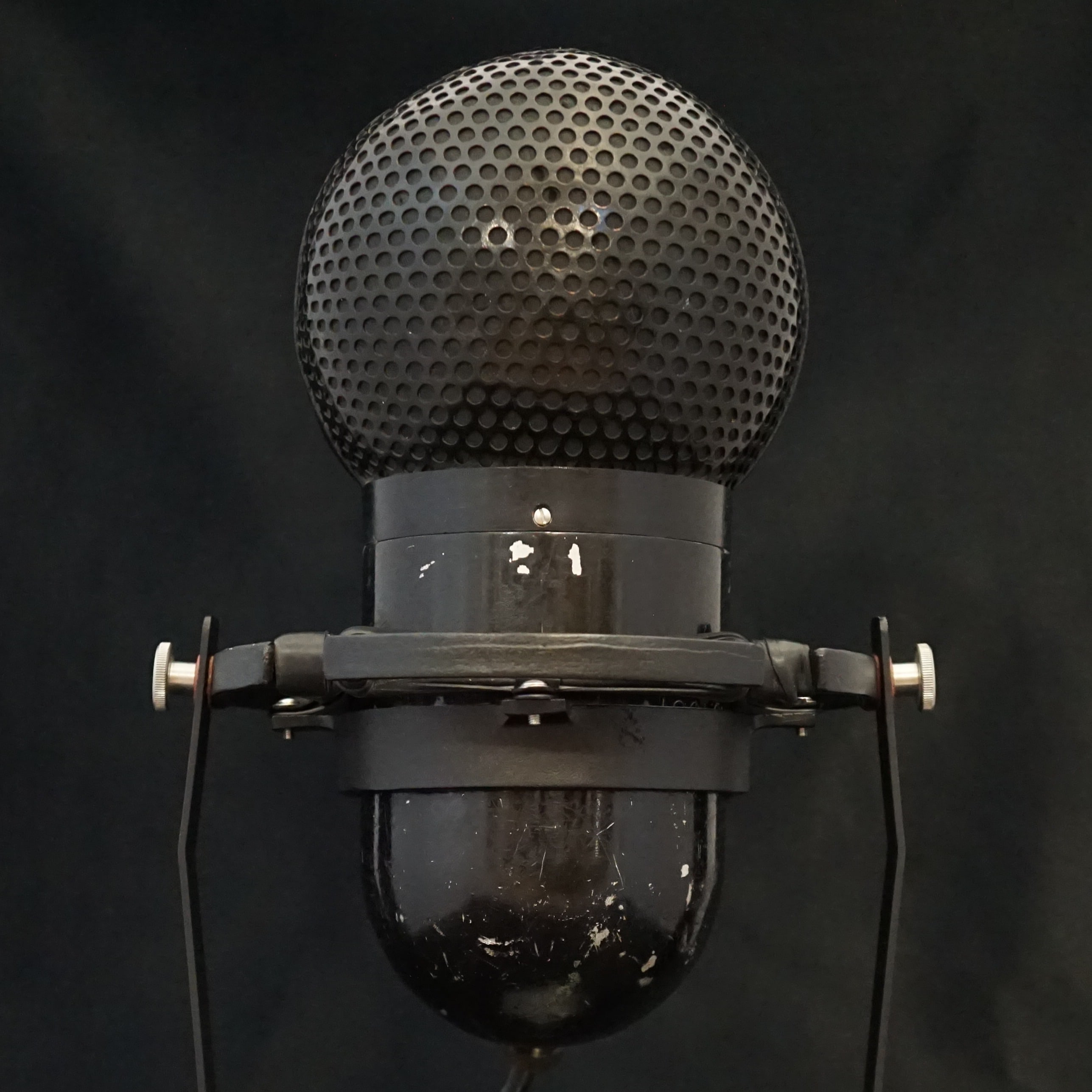
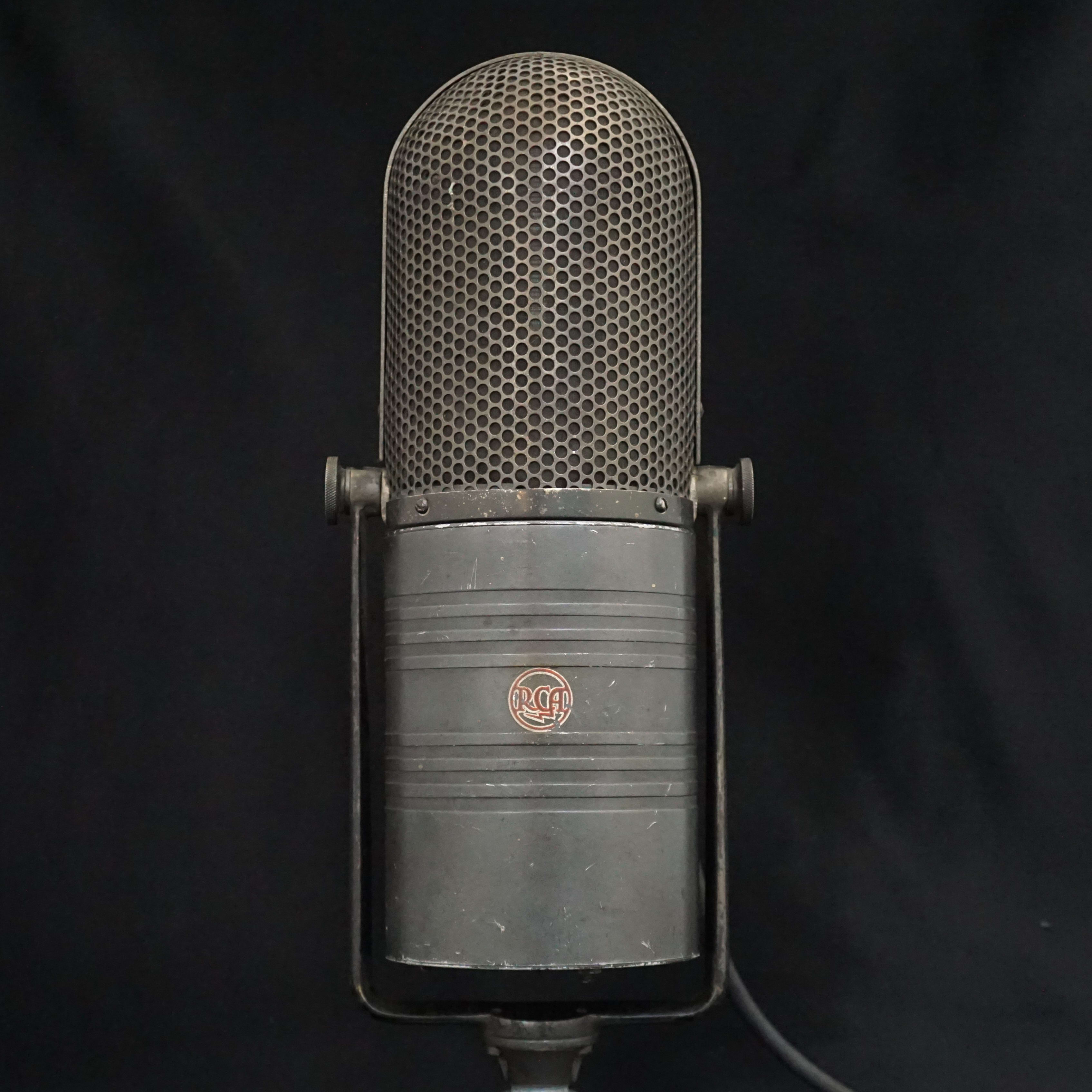
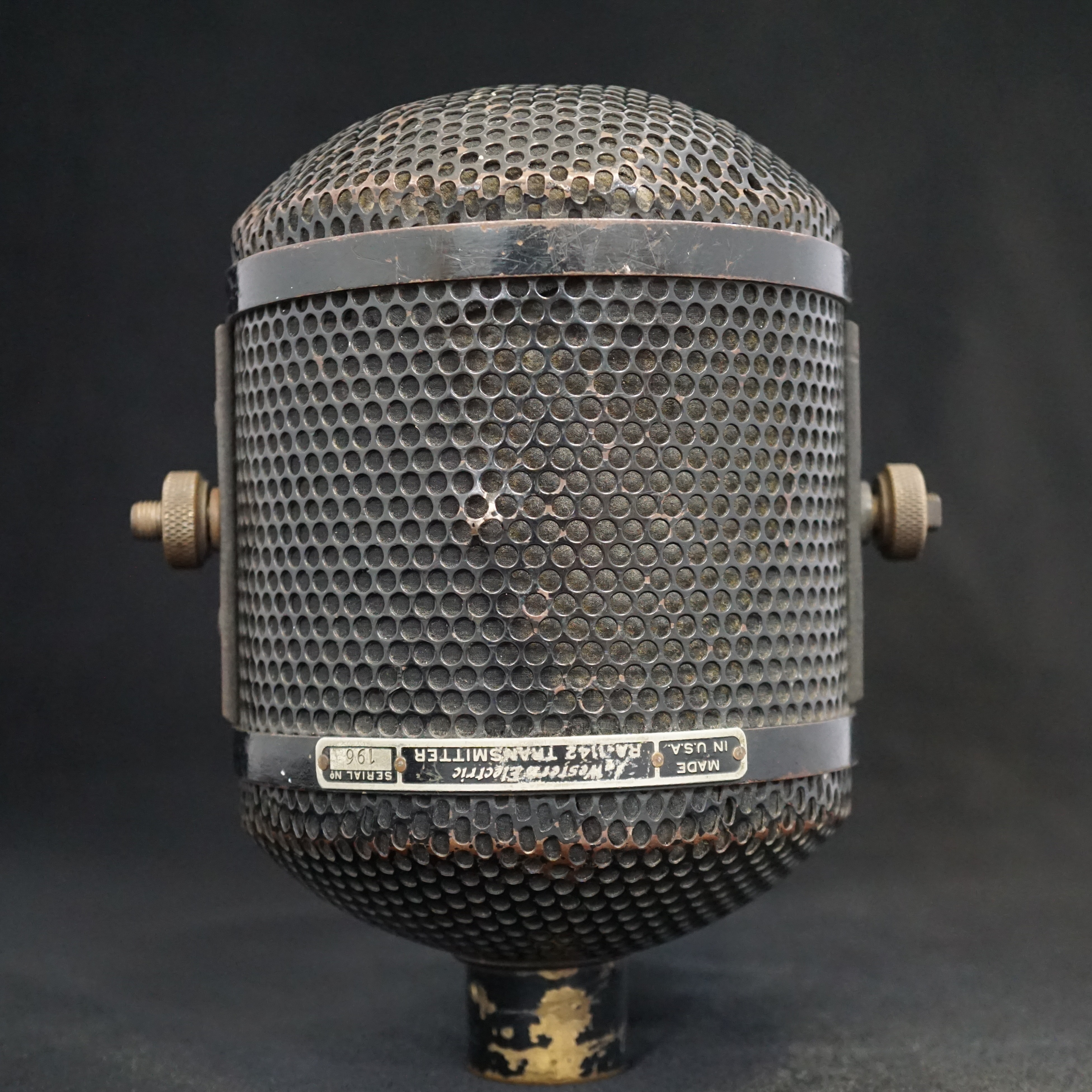
Our KU-3A has a three position switch which allows the user to select from full range and two high pass filter options. It has a white stripe marked on the rear grill, which is typical of a microphone used on a film set. The boom operator could use the line to follow an actor as he or she walked across the stage. This is also seen on the KU-2A and RA-1142 microphones.
From the Audio Cyclopedia of 1969
A typical example of a unidirectional cardioid microphone designed for motion picture and television production recording, and broadcasting, is the RCA MI-10001C, shown in Fig. 4-59A, with its boom-suspension mechanism. The internal magnetic structure is similar to that of the bidirectional ribbon-velocity type, with the exception of the added mechanism for obtaining the directional characteristics. The moving element is a single extremely light corrugated dural ribbon, suspended i an air gap, between the poles of a very highly charged permanent magnet. Thus, the ribbon can vibrate freely with the motion of the air particles of the sound wave. The voltage generated due to the movement of the ribbon cutting the magnetic field of force is the electrical equivalent of the velocity of the air particles. An acoustical labyrinth in the cylindrical section below the magnetic structure is filled with hair* and terminates at the rear of the magnetic air gap by a tubular connector (C). The tubular connector is sealed to the rear of the air-gap, and contains a small silk covered opening, facing toward the ribbon (see Fig. 4-65). The area of the opening is of suitable dimensions to provide a cardioid or uni-directional polar pattern."
*Wes Dooley at AEA microphones tells us that RCA used cow hair - pictured below.
Technical Description:
Output Impedance: 30, 150, 250 ohms
Load Impedance: Open circuit (Unterminated transformer)
Effective Output Level at 1 kHz (With an input sound pressure of 10 dynes per sq. cm.)
-51 dbm at 150 and 25-ohm output impedance; -49 dbm ar 30 ohm output impedance
Open-Circuit Voltage Output* at 1 kHz: 2800 microvolts at 250 ohm tap; 2200 microvolts at 150 ohm tap; 1370 microvolts at 30 ohm tap
Open-Circuit Output Level for Normal Speech at 2 ft. distance: -38 V.U. at 250 ohm tap
Output Hum Level for An Exciting Field of 0.001 Gauss: -128 dbm
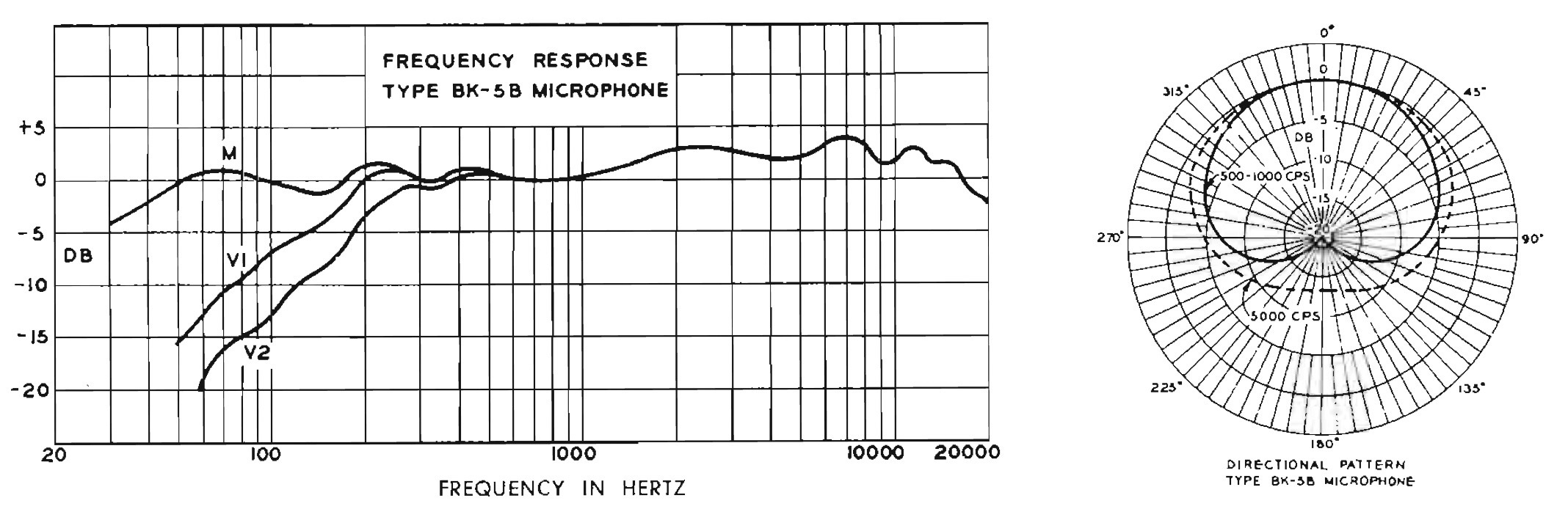
Directional Characteristics: Unidirectional pattern
External Connection: Type "p" 3-pin male Cannon Connector
Mounting: A suitable resilient suspension is essential. (MI-10058B Microphone Hanger is recommended)
Finish: Flat two-tone umber grey
Length: 8 inches; Width: 3 inches; Depth: 3 ½ inches; Weight: 2 pounds, 13 ounces
Frequency Response: