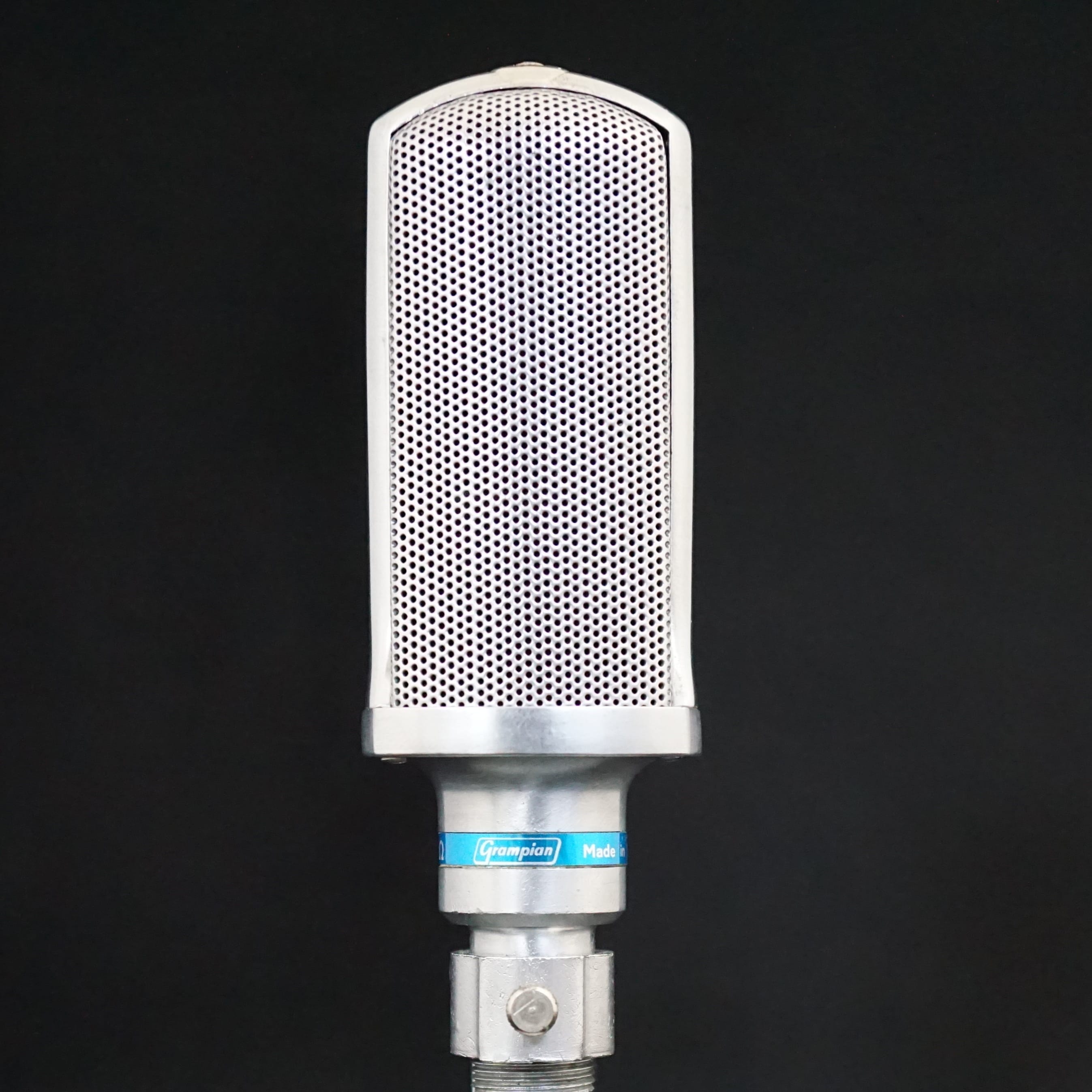
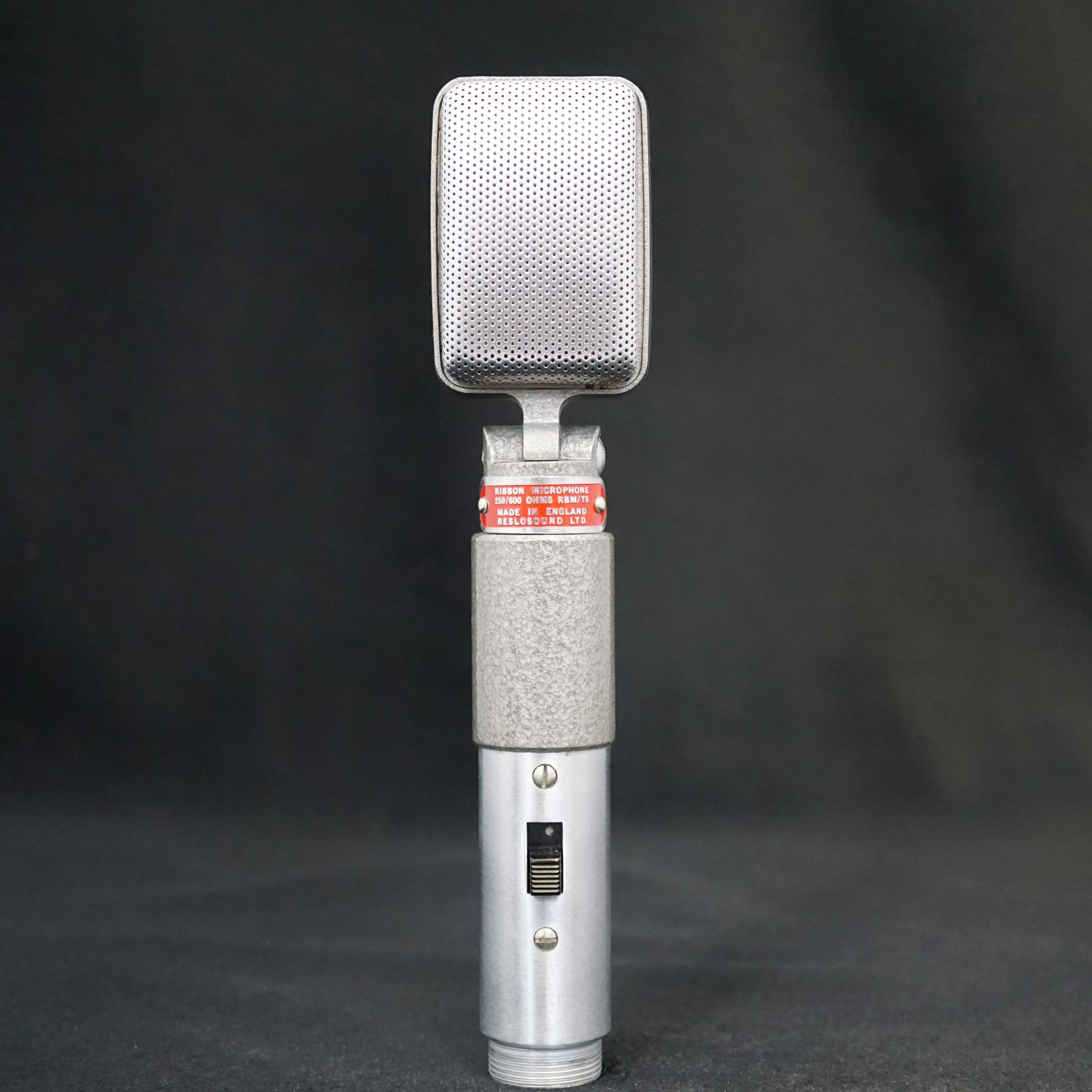
Zephyr 30RA
Manufacturer:
ZephyrModel:
30RACountry of Manufacture:
AustraliaMicrophone Type:
RibbonPolar Pattern:
Figure 8Production Start Year:
1958Rarity:
5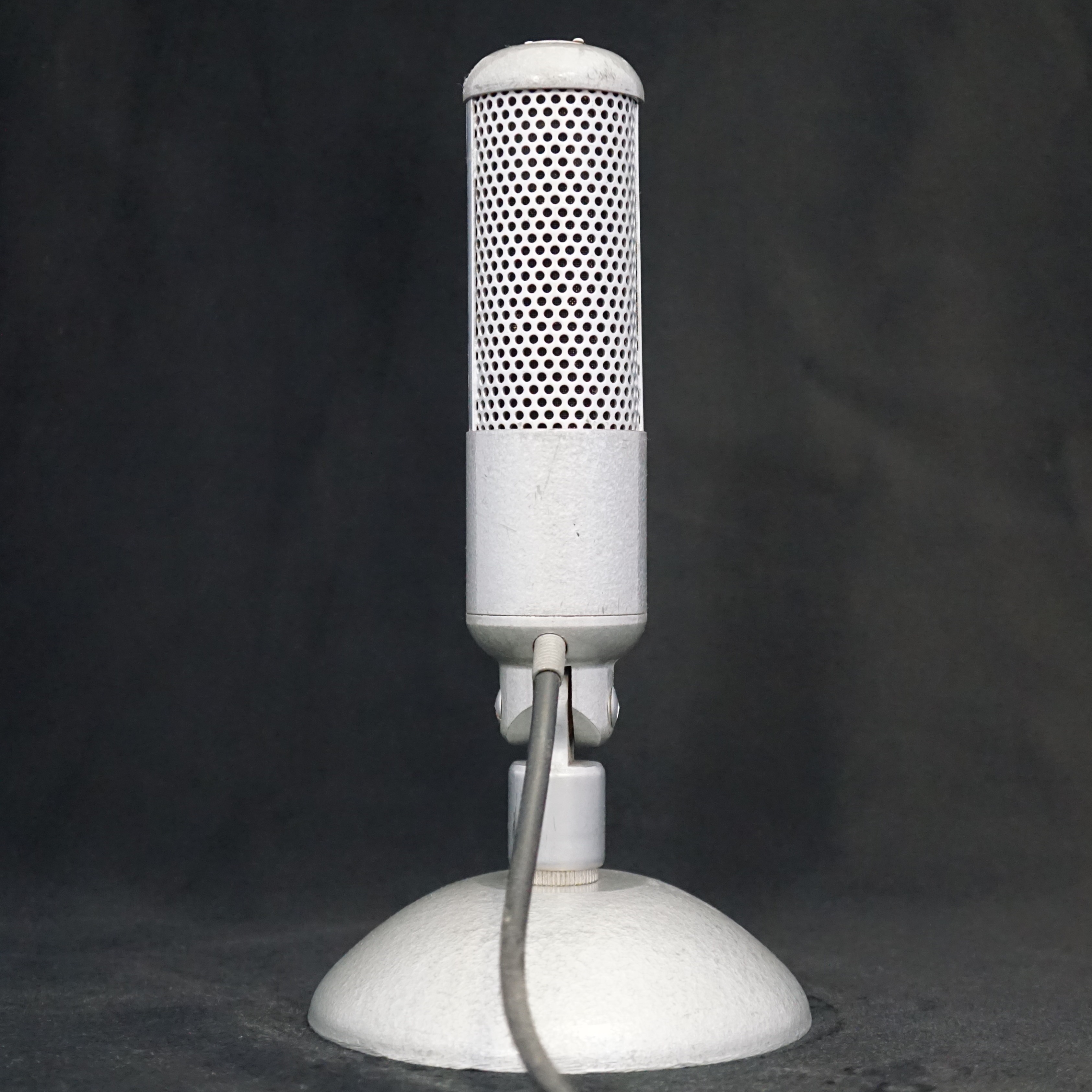
Audio Recordings:
Speech (male) recorded with a the Zephyr 30RA ribbon microphone.
Multiple quality options available
Nylon string guitar recorded with the Zephyr 30RA ribbon microphone, via a DI box
Multiple quality options available
Microphone History:
Zephyr were an Australian company based in Victoria who manufactured various audio equipment. They built a surprisingly wide range of microphones in the 1950s and 60s, and also imported products from other brands. They published widely in Australian amateur radio magazines in the 1950s, but by the late 1960s they concentrataed on selling imported models from Japanese brands.
About the RA30, From the Xaudia blog
"The mic has a very retro sci-fi look, with hammerite paint and a punched metal grill. The name plate reads “High fidelity velocity microphone type 30RA, but despite the misleading model number, the mic is actually a high impedance model, and the output transformer is marked “50K’.
The magnets are still healthy on this one, kicking out around 2500 Gauss between the pole pieces. The ribbon is 2.5 mm wide and 28 mm long, similar in scale to a Reslo RBL or Grampian microphone.
The back of the ribbon element is covered in lots of felt, to stop air blasts and brighten the mic for vocal use. Removing some of this opens the sound up a bit. This model was probably intended for use with a home tape recorder, and would have worked very nicely in that application.
The ribbon itself is mounted on a removable plastic saddle, which makes servicing very simple. Which is a good thing, because this one is stretched. This idea is also seen on Reslo and other microphones."
MoMics note
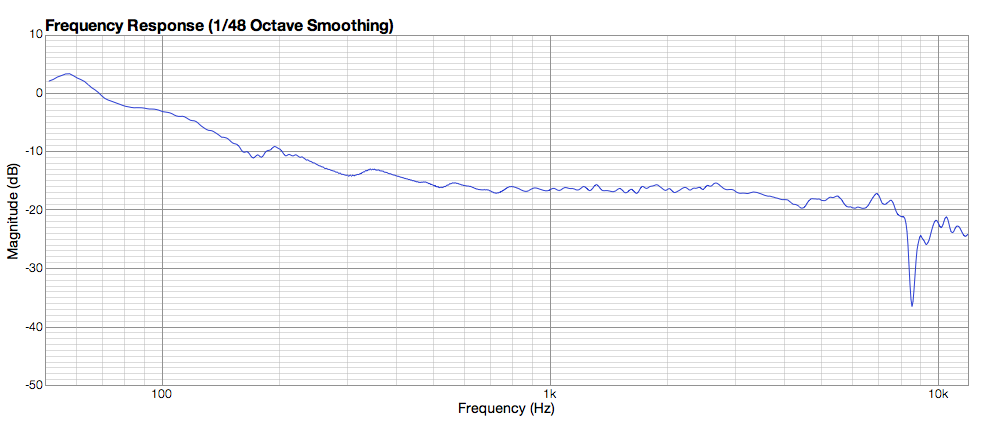
The ribbon frame is made of a bakelite style material and is remarkebly similar to the ribbon carrier used by Grampian in their GR range of microphones). The Zephyr microphone in our collection sounds rather dark which is due to a combination of a large proximity effect and a reduced top end from the high impedance EE24/25 sized transformer. Sonically, this would benefit from a better transformer.
Frequency Response:
Impulse Response File:
Impulse Response file of the Zepyr 30RA ribbon microphone.
Zephyr_R30_IR.wav