British Thomson-Houston (BTH) Carbon
Manufacturer:
British Thomson-Houston (BTH)Model:
CarbonCountry of Manufacture:
Great BritainMicrophone Type:
CarbonPolar Pattern:
OmnidirectionalProduction Start Year:
1932Rarity:
5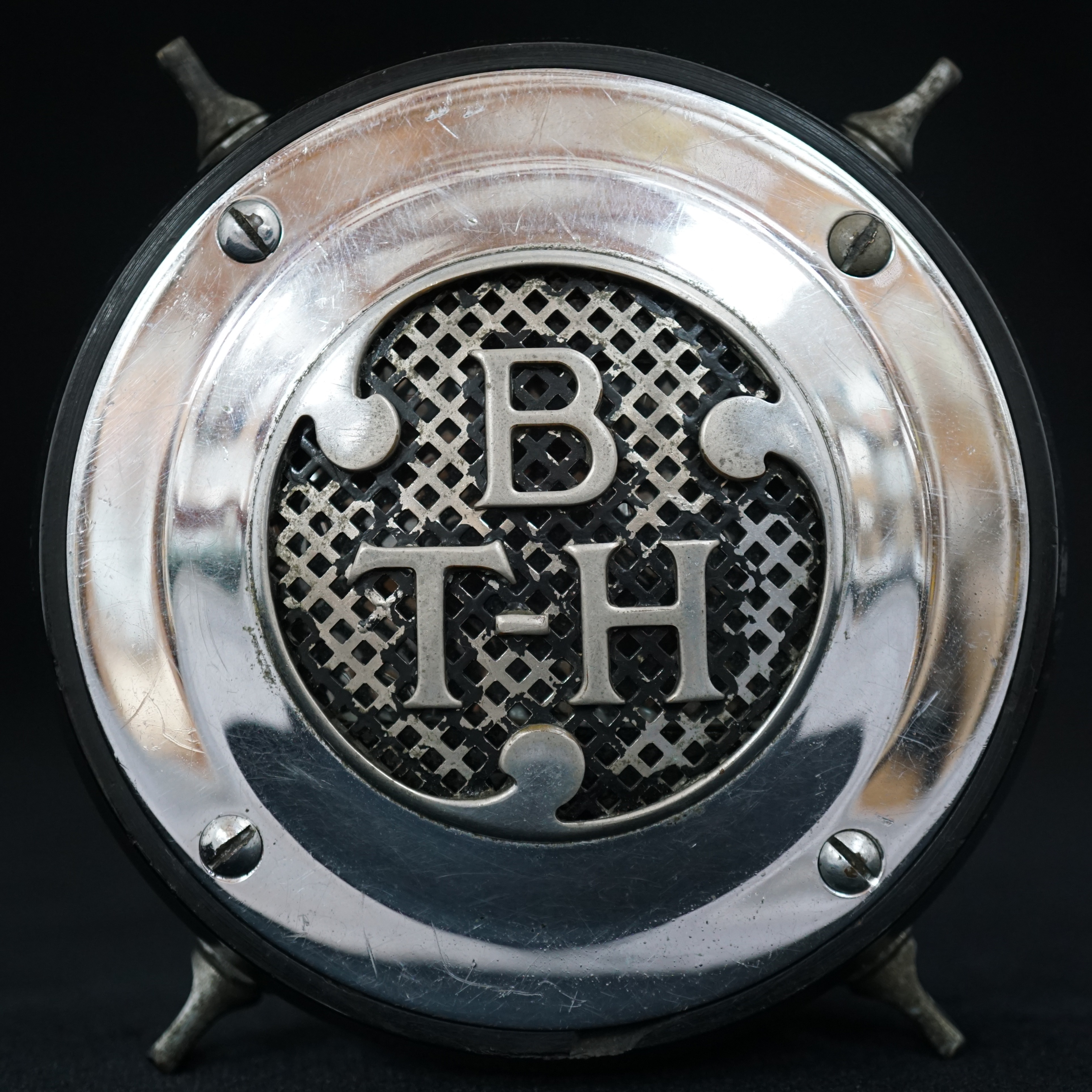
Audio Recordings:
Speech (male) recorded with the BT-H carbon microphone.
Multiple quality options available
1900 Martin 0-18 Nylon string guitar recorded with the BT-H carbon microphone.
Multiple quality options available
Microphone History:
"A small stable microphone which is in some of the news studios and studio silence cabinets is the B.T.H. carbon. This is a fairly directional microphone, giving a crisp reproduction very suitable for speech. It has a comparatively silent background, considering its sensitivity."
BTH company history, from Wikipedia
"British Thomson-Houston (BTH) was a British engineering and heavy industrial company, based at Rugby, Warwickshire, England. Originally founded to sell products from the Thomson-Houston Electric Company, it soon became a manufacturer using licences from the American company. They were known primarily for their electrical systems and steam turbines.
BTH merged with the Metropolitan-Vickers company in 1928 to form Associated Electrical Industries (AEI), but the two brand identities were maintained until 1960. The holding company, AEI, was bought by GEC in 1967.
The British Science Museum have a BTH carbon mic that they date to 1922. Unfortunately there are no photographs or documentation to support that date.
Technical Description:
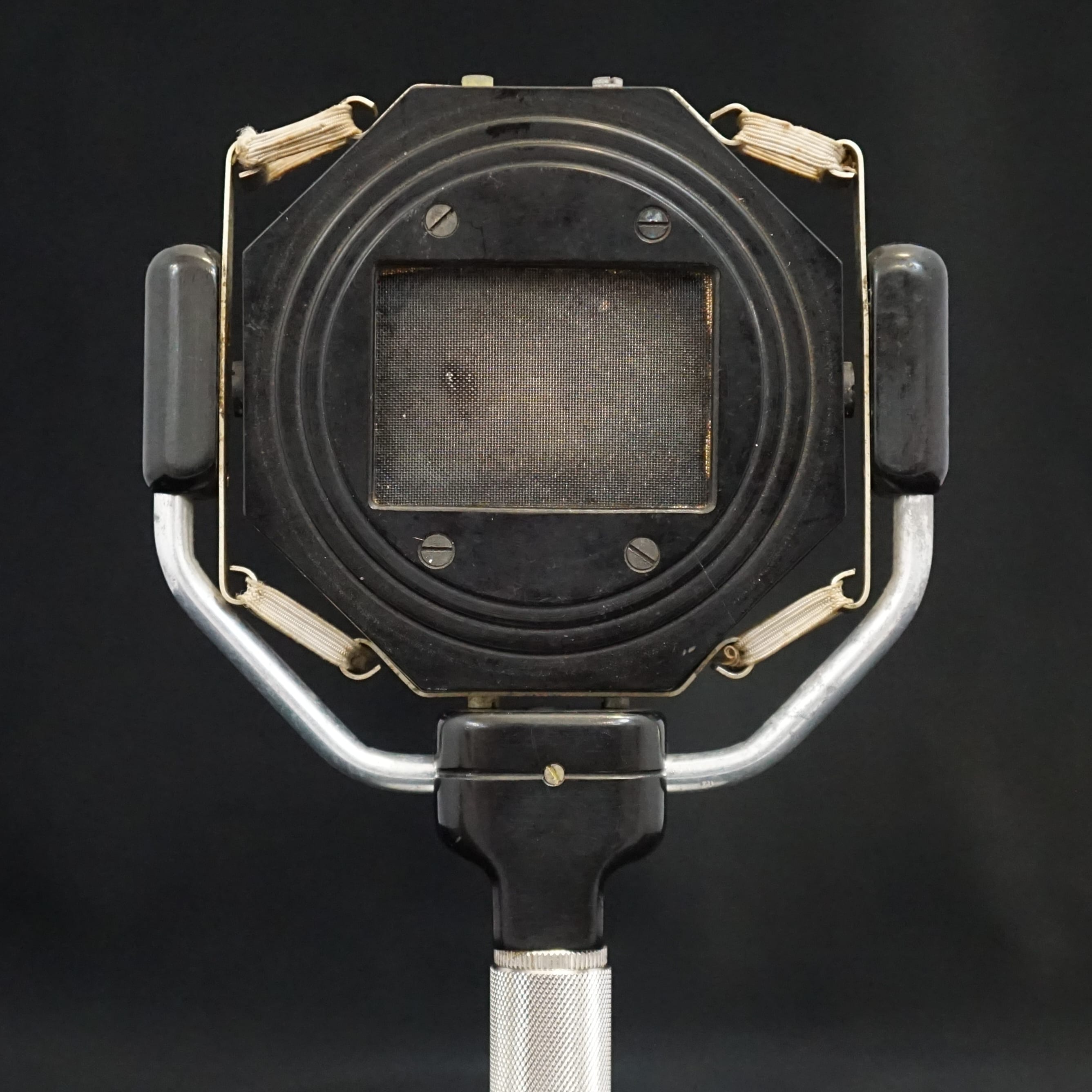
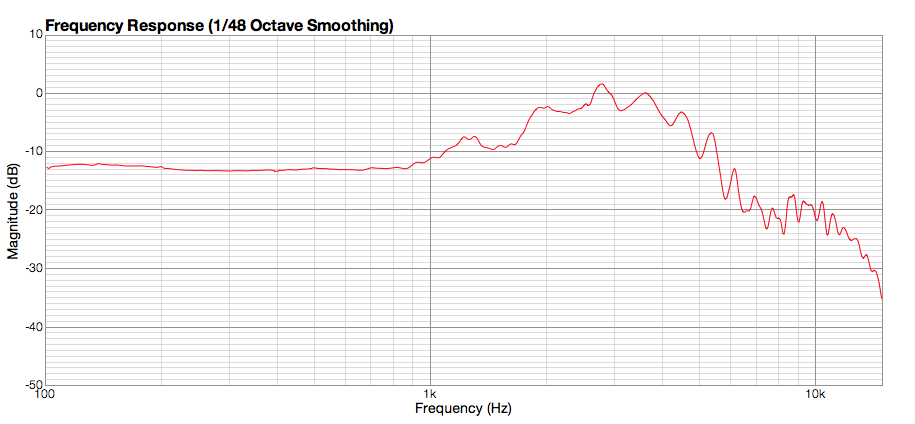
Our example has a measured output impedance of around 500 ohms, after 90 years of use. It is a little noisy but has a strong output and a very smooth bass response for a microphone of this type.
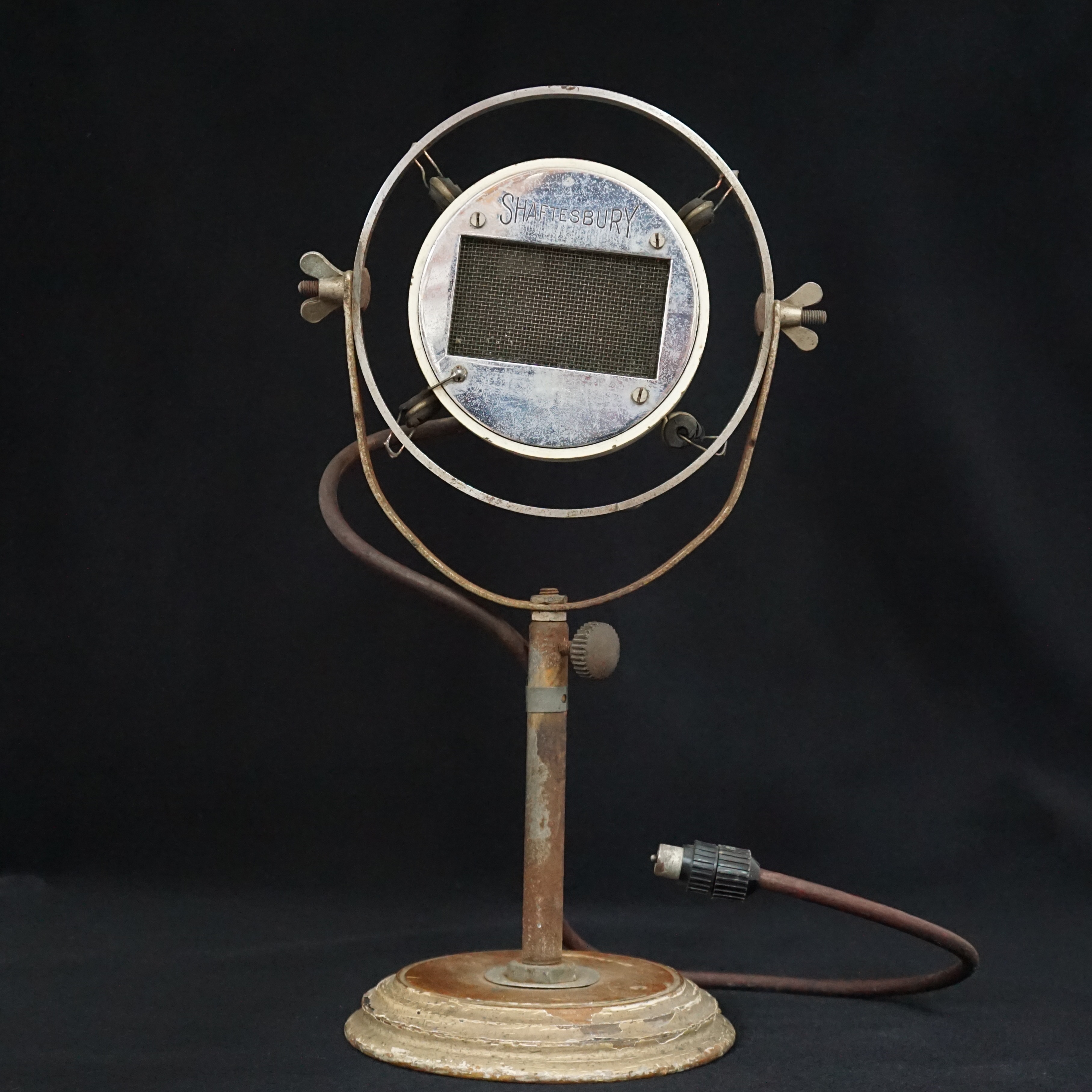
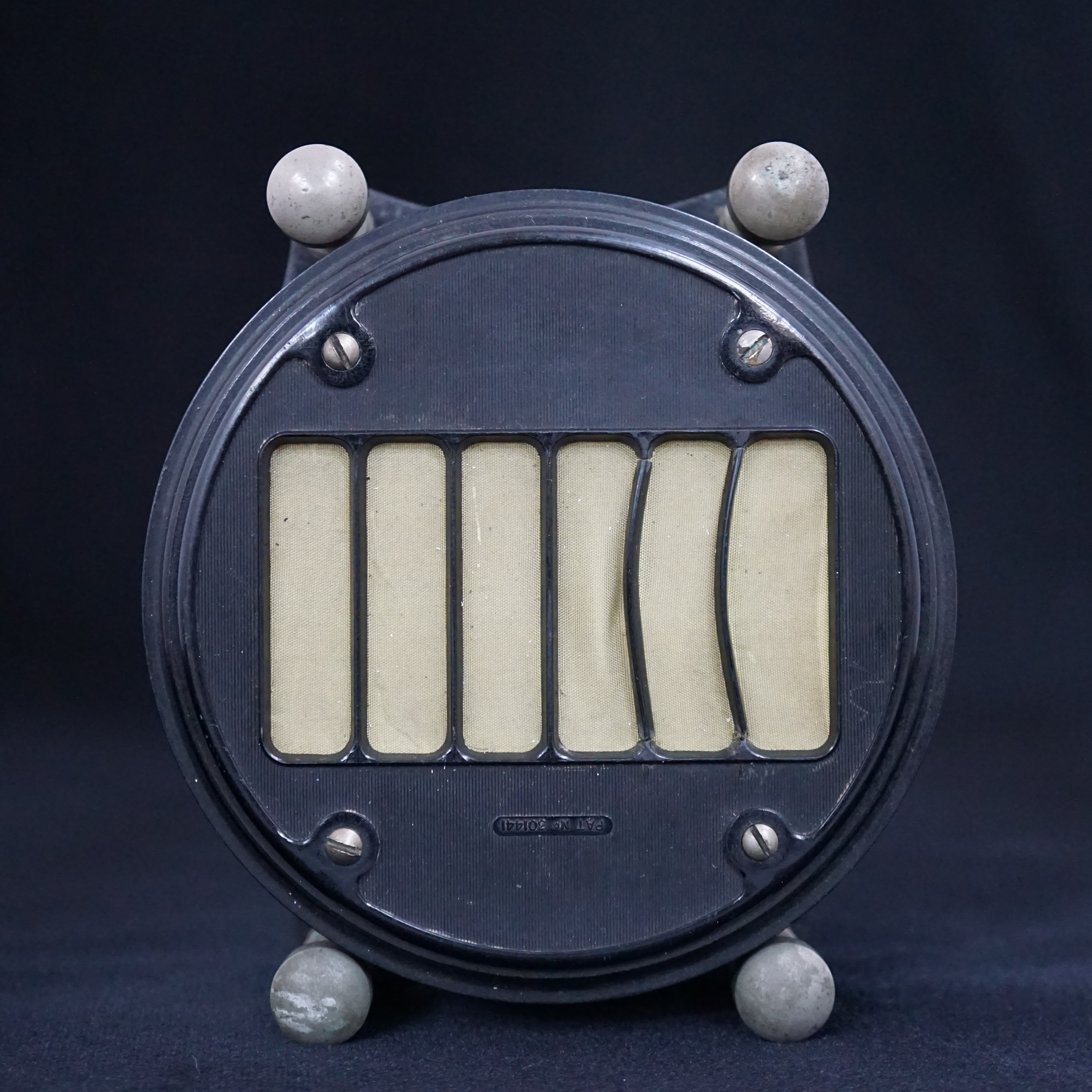
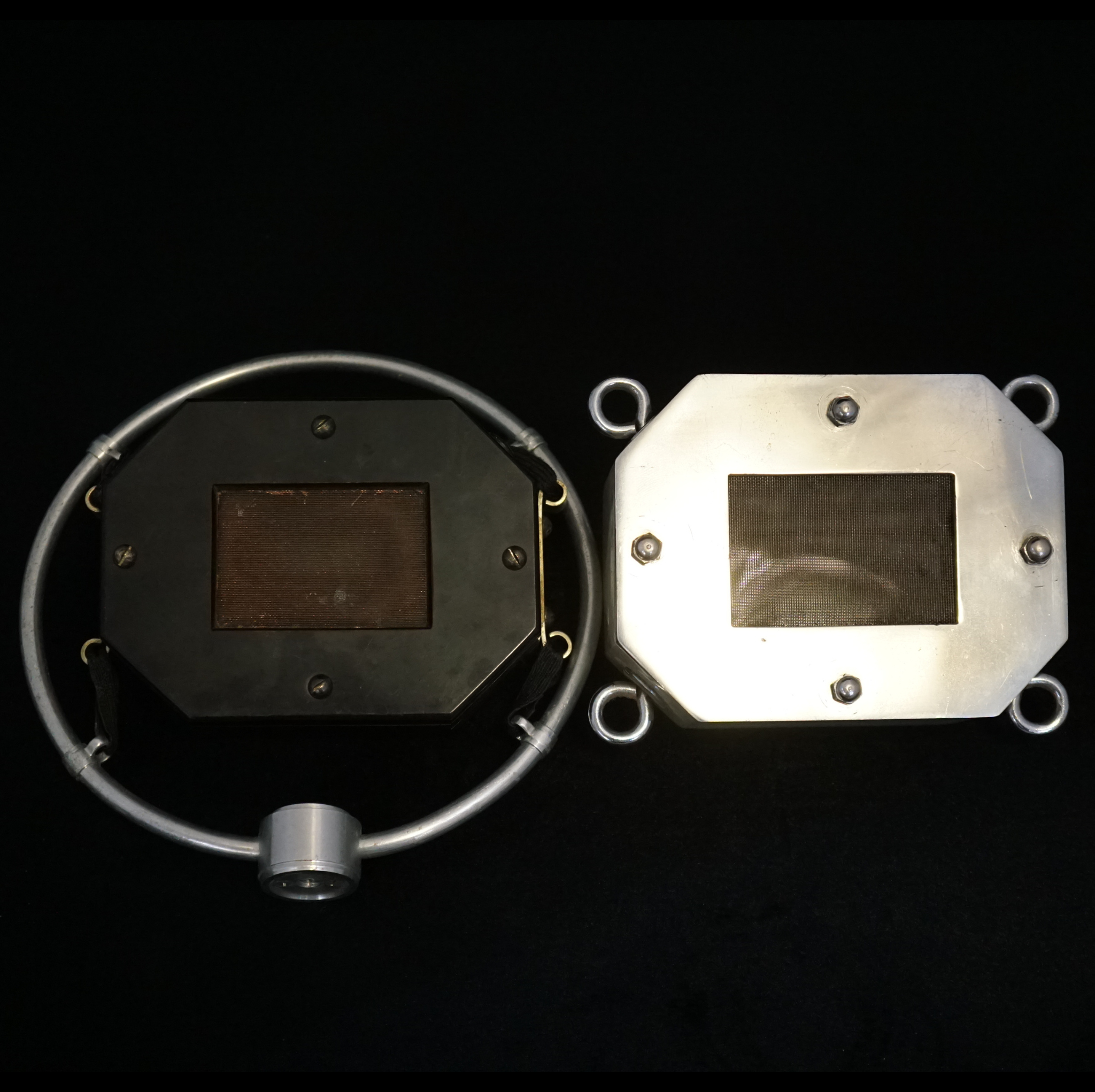
It has a bakelite body and front and rear chrome plated grills, and clearly would have been an expensive device. It has four sturdy lugs which show that it was designed to be mounted with springs in a hoop. However, there is also a 1/4" threaded hole so that it can be screwed directly onto a microphone stand.
Frequency Response:
Impulse Response File:
Impulse Response file of the BT-H carbon microphone, vertical, 30 cm from source
BT-H_Carbon_IR.aiff
Further Reading:
The British Science Museum have two BT-H carbon microphones in their collection, albeit with little additional information. Example 1. Example 2.