Shaftesbury Bio-Tran
Manufacturer:
ShaftesburyModel:
Bio-TranCountry of Manufacture:
United KingdomMicrophone Type:
CarbonPolar Pattern:
OmnidirectionalProduction Start Year:
1935Production End Year:
1937Rarity:
4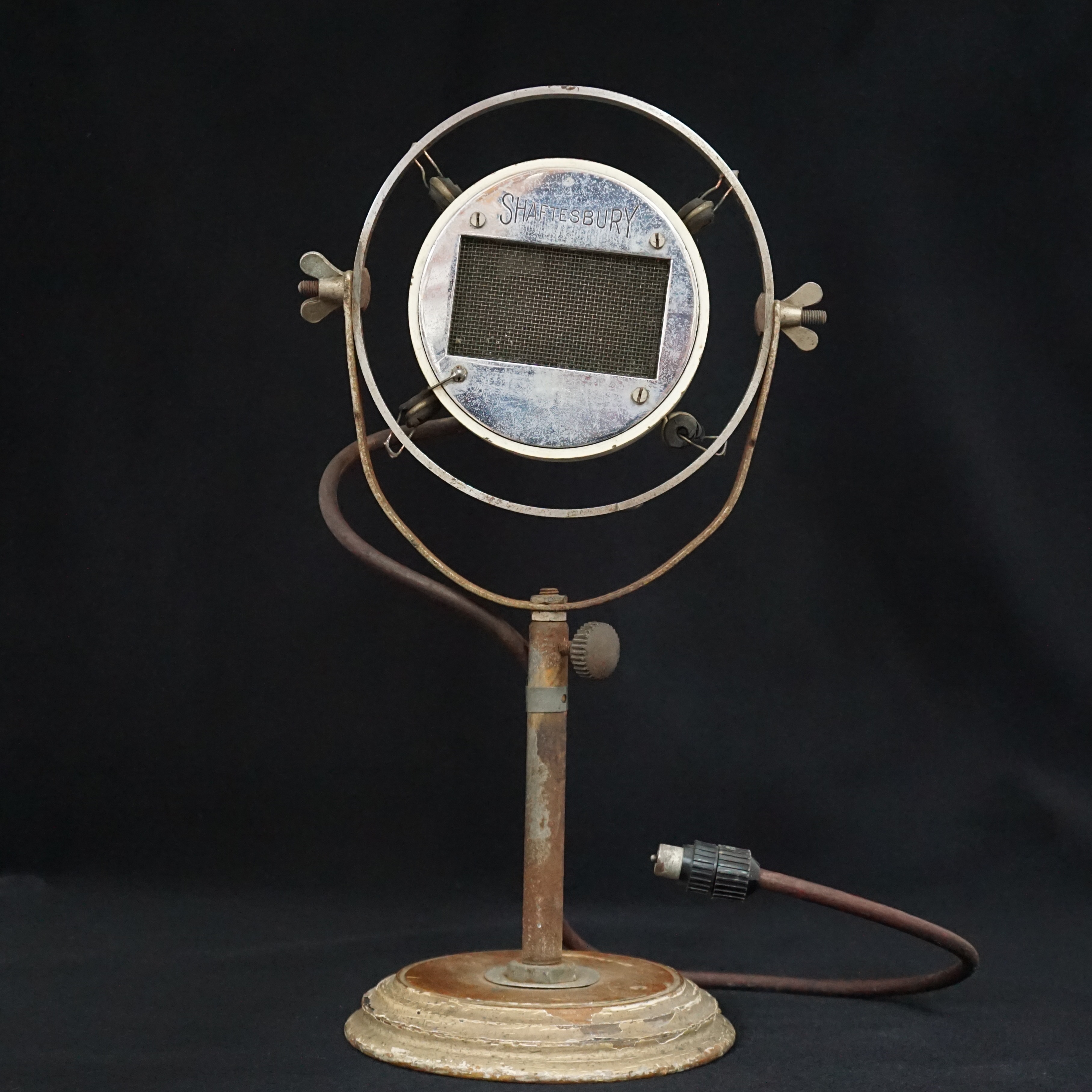
Audio Recording:
Speech (male) recorded with the Shaftesbury Bio-tran carbon microphone.
Multiple quality options available
Microphone History:
From Shortwave & Television magazine, 1937
"Microphones can be purchased at all prices from even as low as 10/-but if you want really excellent results it is worth while spending a little more money on this.
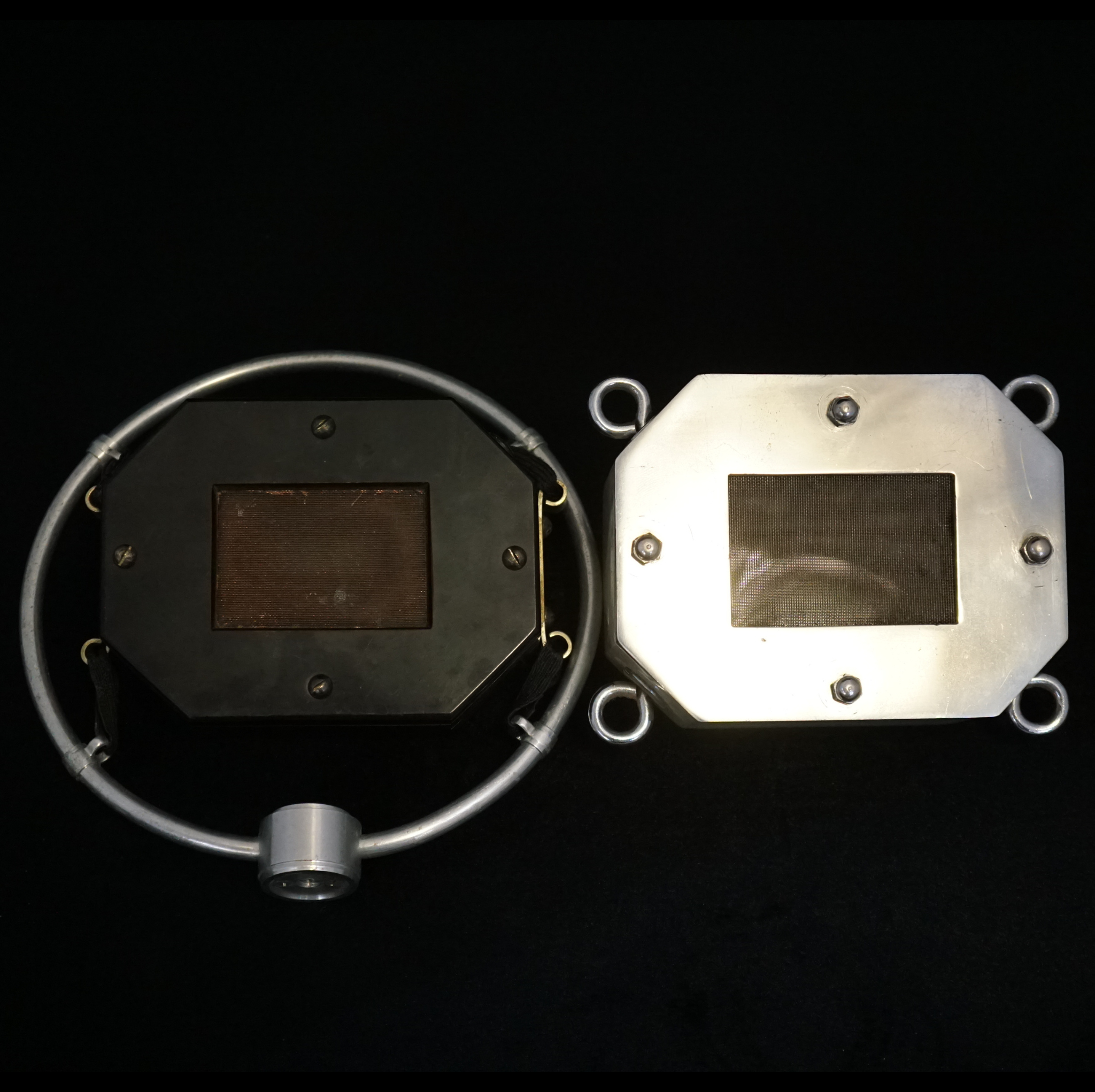
The Shaftesbury Bio-tran microphone (on the left) will give really excellent results and is not too exorbitant at its price of £2 15s. The Microphone Transformer which you will also require is 10/- extra.
A cheap, efficient 0-50 milli-ammeter which is also necessary for the transmitters can also be obtained from Shaftesbury Supplies, price 6/6. The address to write to is: 224, Shaftesbury Avenue, W.C.2.
Technical Description:
Further Reading:
This microphone also appears on page 133 of Practical Wireless in August 1936.
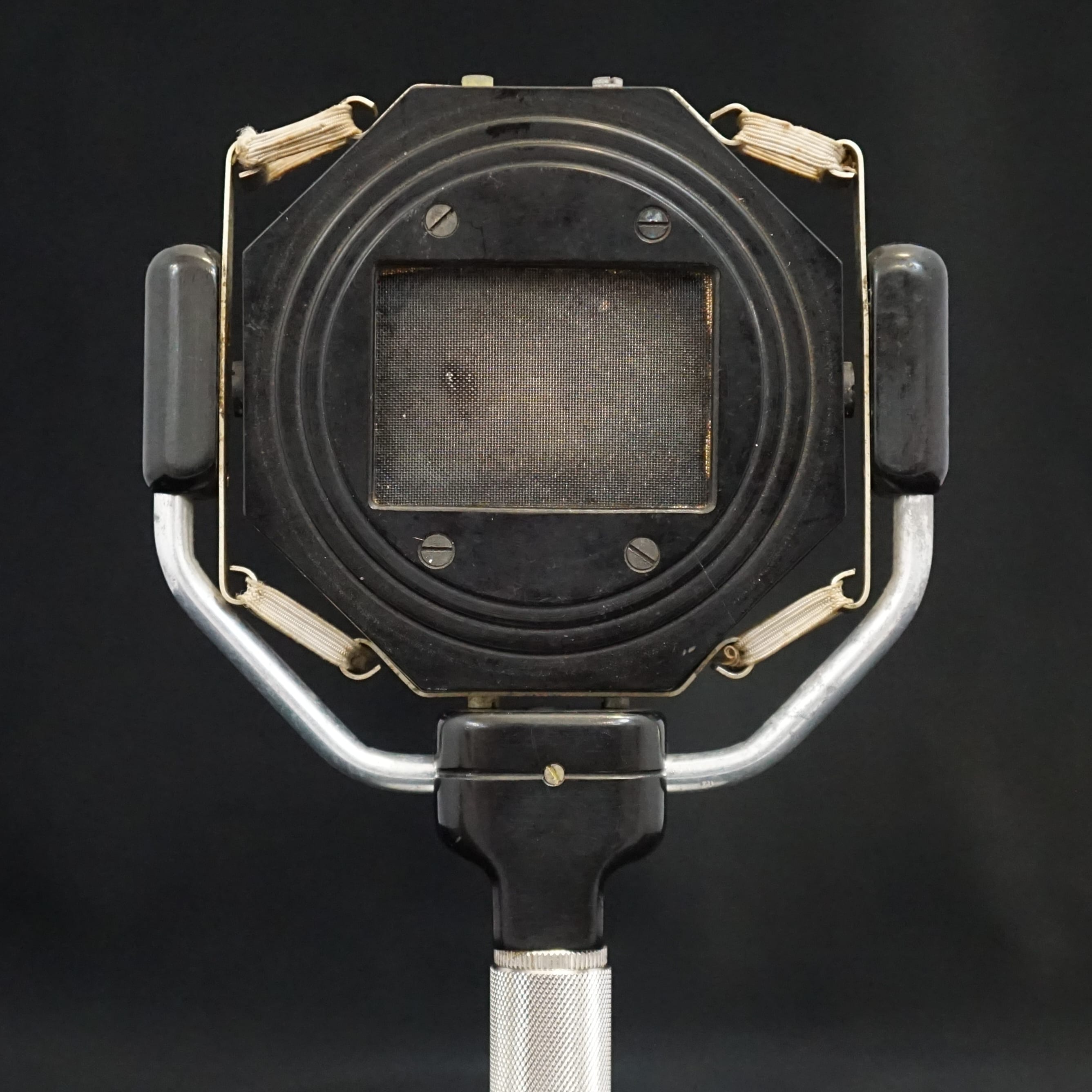
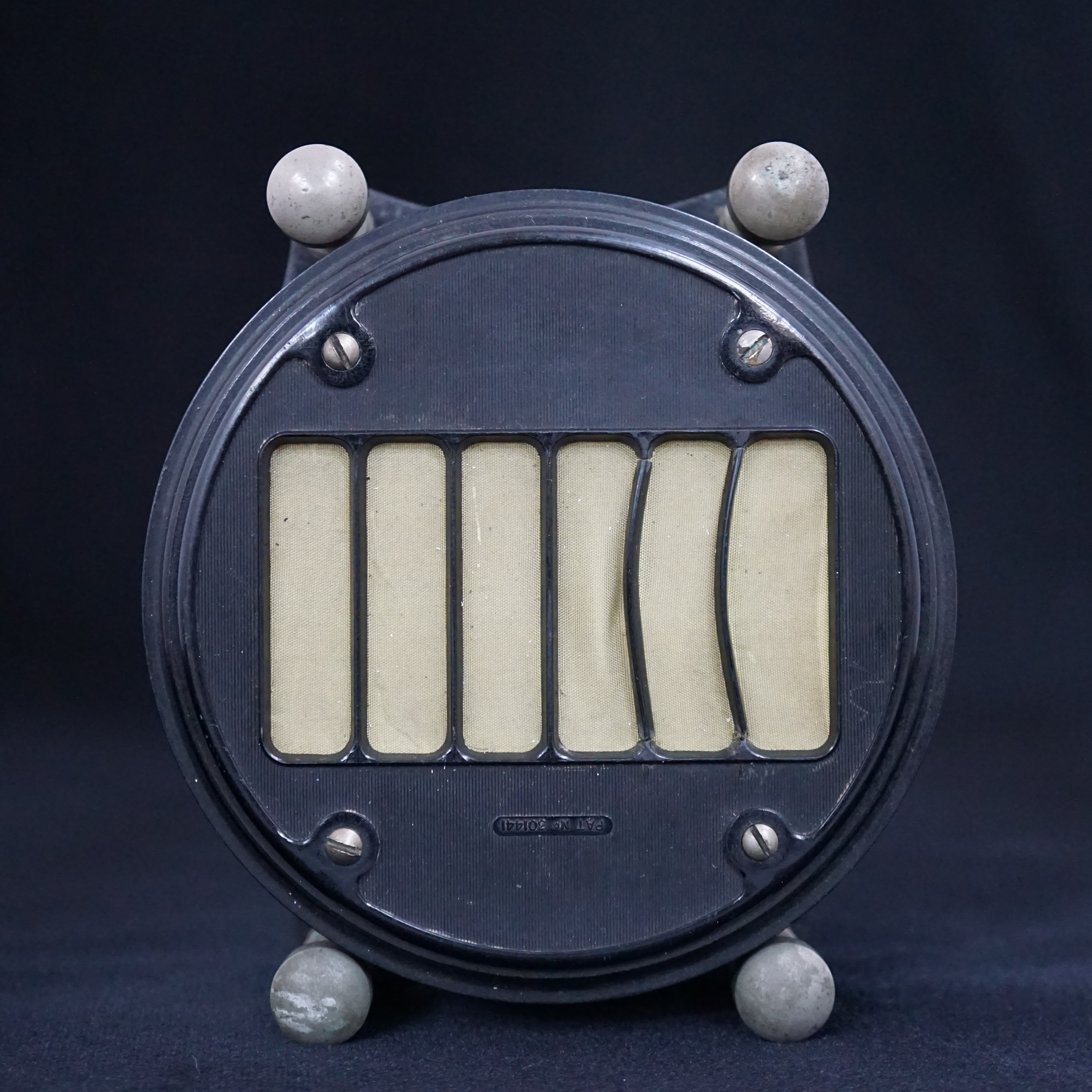
The new "Bio-Tran" microphone developed by Shaftesbury Supplies,224, Shaftesbury Avenue, London, W.C.z, is an improved version of their transverse-current microphone, the latest modification made being the introduction of a third electrode. With this is used a special microphone transformer, described as the Z model, and having a tapped primary winding; the polarising battery is joined between the tapping and the new electrode in the microphone.
These changes have resulted in a considerable reduction in the microphone's resistance; thus it operates at a lower voltage, and during our tests it worked extremely well from a 2-volt battery. With this voltage a current of 20 mA. passed through the microphone, while four and six volts give polarising currents of 40 and 60 mA.respectively.
The new model is definitely more sensitive than the earlier pattern and it has a better frequency response, giving a good output up to10,000 Hz, this being the upper limit of the audio scale explored. The low-frequency output is good also.
Tests on orchestral passages and on speech fully confirmed the good opinion we had formed from the response to pure tones. The background hiss is exceptionally low, which is all to the good, despite the fact that actually less amplification will be needed with this model, since it gives a larger output than its prototype. On the whole, it is a sound and well-made instrument, being beautifully finished in chromium plate, and it costs 55s. only. "