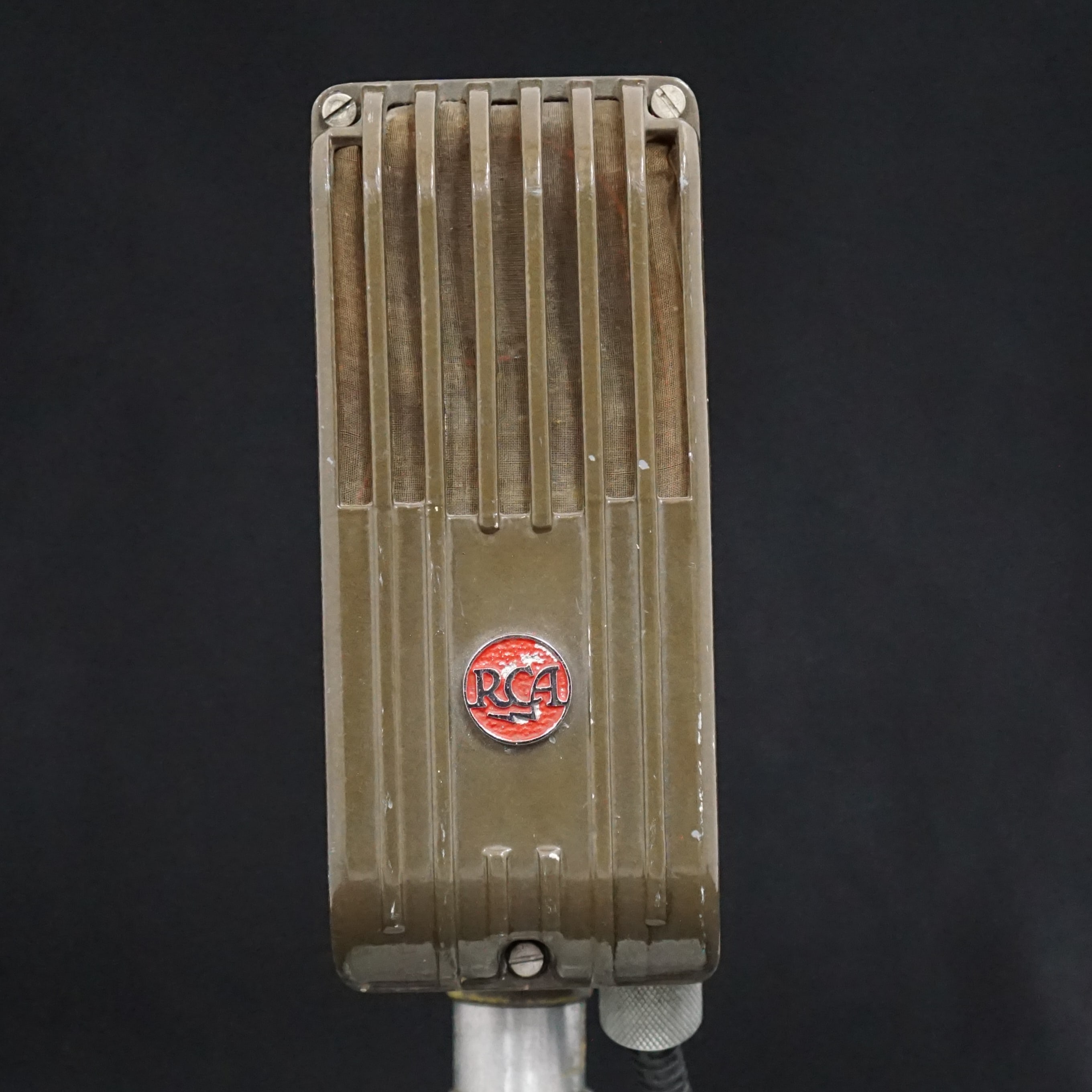
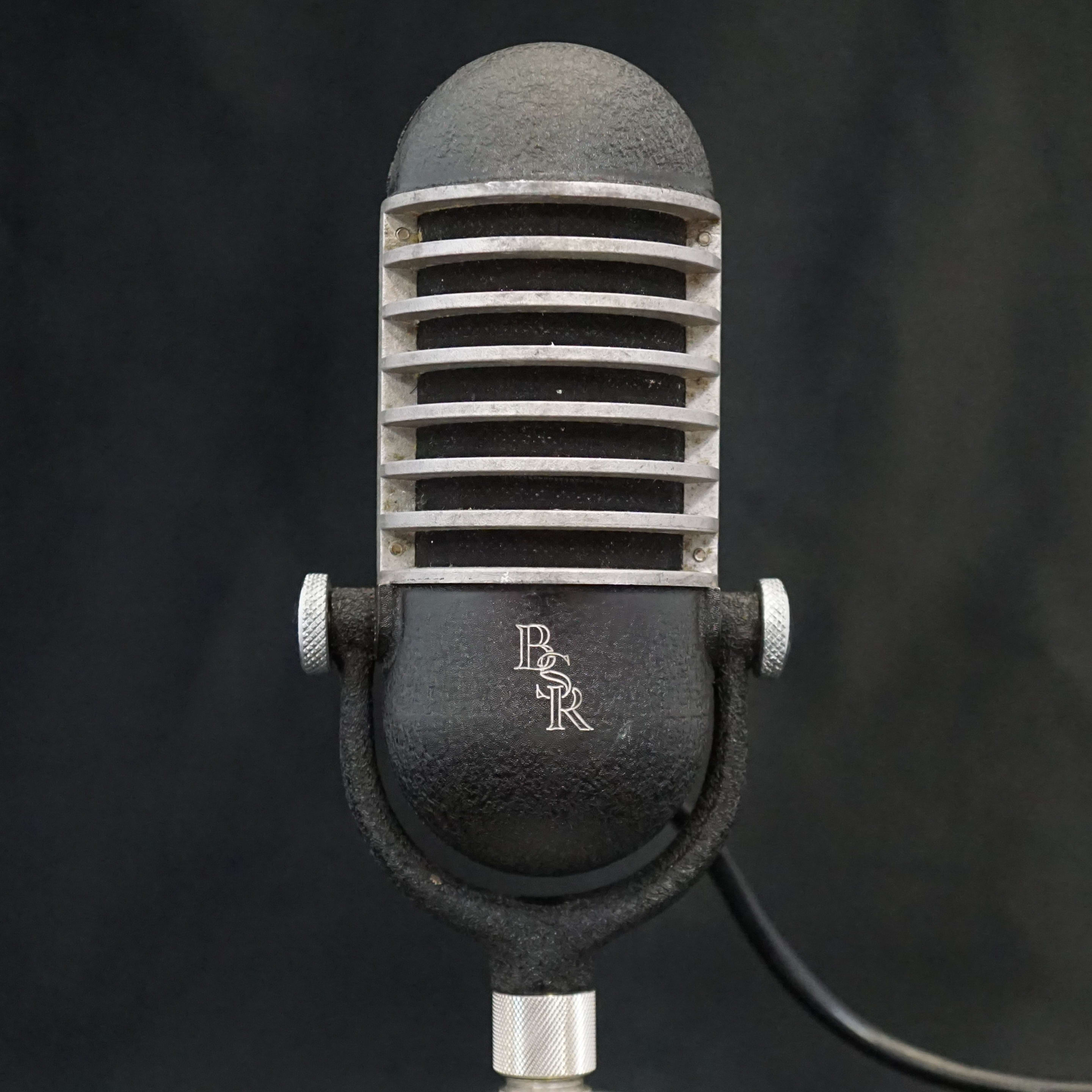
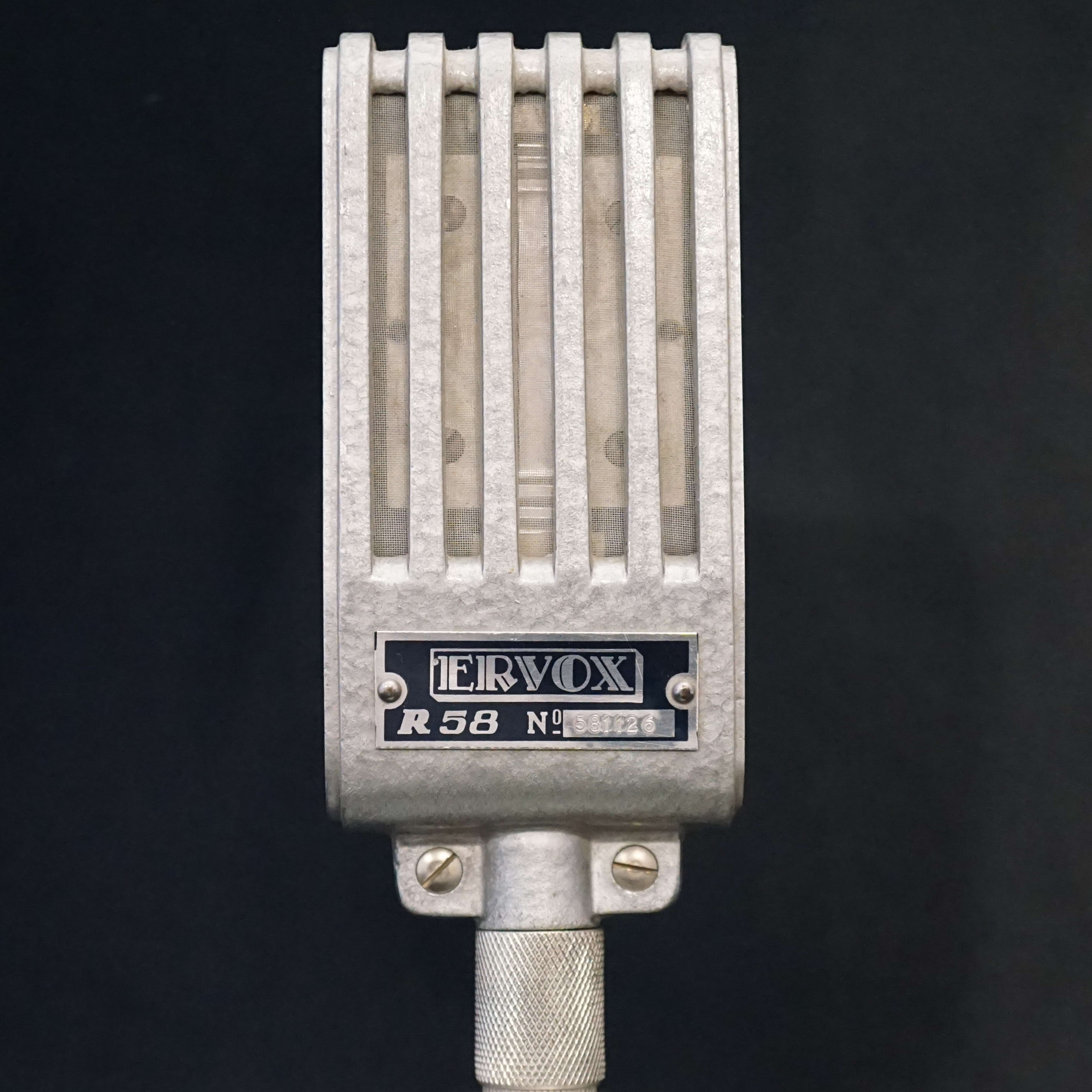
RSA Selmer RL1
Manufacturer:
RSA SelmerModel:
RL1Country of Manufacture:
United KingdomMicrophone Type:
RibbonPolar Pattern:
Figure 8Production Start Year:
1940Production End Year:
1952Rarity:
3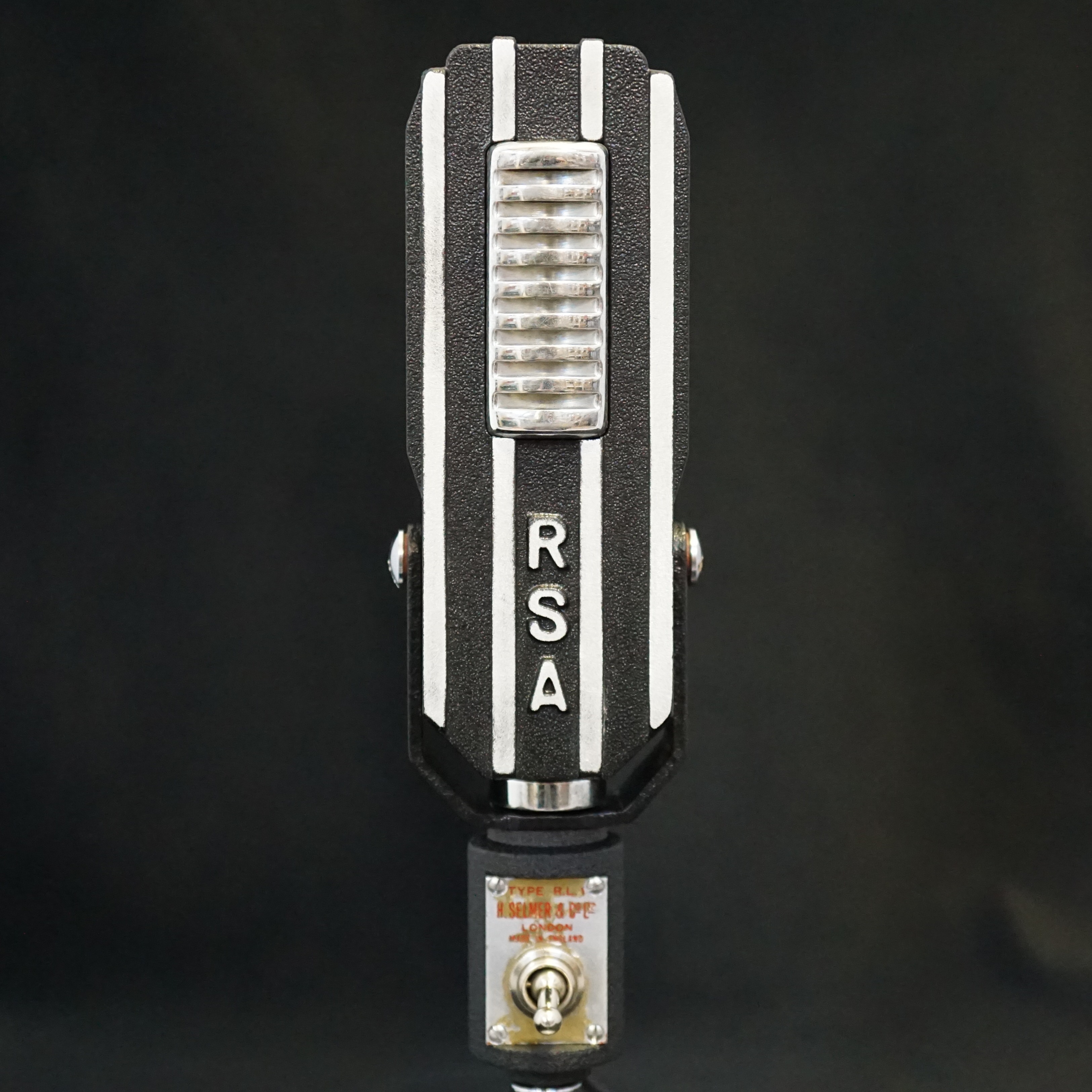
Audio Recordings:
Speech (male) recorded with an RSA RL1 ribbon microphone.
Multiple quality options available
Nylon string guitar recorded with an RSA RL1 ribbon microphone.
Multiple quality options available
Microphone History:
The RL1
Some of these microphones have two manufacturers’ names on them: RSA is proudly embossed on the aluminium body of the mic, whereas the switch plate reads ‘Type RL1, H. Selmer & Co. Ltd., London, Made in England”. Others have RSA on the switch plate too, although these seem to be less common, and I have only come across one example of this.
According to the Vintage Hofner website, Selmer took over the R.S. Amplifiers Ltd in 1947, and presumably these schizophrenic examples come from around that time, when the new owners were using up the cast casings. They are are made from a big slab cast aluminium, with a chrome grill. They are mounted by a yoke with a switch in the base, and the black paint with bare aluminium stripes gives it a very distinctive Bauhaus / Art Deco appearance.
(note: The microphone in our collection has been restored and the ribbon in the photograph is a replacement.)
Technical Description:
The main body of the mic contains the ribbon motor assembly, hidden inside a cotton bag, and a large iron core transformer with a very thick double (parallel) primary winding. The secondary winding connects to a short length of cable, which goes off to the switch.
One thing to note about these mics is that many of them are designed for a very low impedance. The relatively thick piston style ribbon and low ratio transformer combine to give an output impedance of around 15 ohms (measured at 1kHz), and so they can seem very weak when plugged into a modern preamp. In this case a matching transformer is essential to get a decent level from the mic.
Also, these mics do not generally have a secure earth connections, and may hum unless one is provided. Fortunately, it is a simple job to add a terminal to the inside of the body.
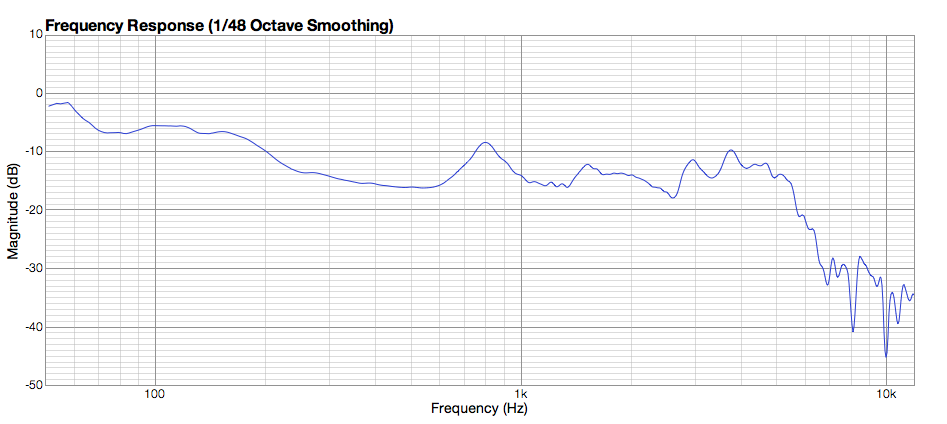
In terms of sound, these have a very vintage tone and limited bandwidth, rolling off rapidly above around 4kHz – perfect for an old AM radio broadcast effect.
Frequency Response:
Impulse Response File:
Impulse Response file of RSA RL1 ribbon microphone.
RSA_R1_IR.aiff